Joybuy Insights

A Practical Guide to Adhesive Tapes and Strips for UK Homes

From hanging a cherished family photo to achieving that perfect paint finish, the right adhesive tape or strip can be a DIY enthusiast's secret weapon. Yet, choosing the correct one can feel like navigating a minefield of sticky claims and broken promises. As a Joybuy Product Recommendation Officer, my role is to help you see past the marketing hype and select a product that genuinely meets your needs, saving you time, money and frustration.

Before you add another roll to your basket, let's look at the common pitfalls that lead to peeling paint, falling frames and disappointing results.

The 3 Most Common Adhesive Pitfalls to Avoid

  1. The "Damage-Free" Deception: Many products claim to be damage-free, but UK homes, with their variety of plastered, painted and sometimes older wall surfaces, present a unique challenge. A common mistake is using a strip that is too aggressive for the surface, leading to stripped paint or stubborn residue upon removal. This is a particular concern for renters who need to leave walls pristine.
  2. The "One-Size-Fits-All" Myth: Using a generic roll of duct tape for a delicate painting job or a standard office tape to secure a rug is a recipe for failure. Each task requires a specific type of adhesive and backing material. Using the wrong one results in messy paint lines, slipping carpets or repairs that simply don't hold.
  3. Ignoring Surface and Weight Specifications: An adhesive is only as good as its bond to the surface. Many failures occur because the tape was used on an incompatible material (like wallpaper or vinyl), in a damp environment like a bathroom or was expected to hold more weight than it was designed for. Always check the manufacturer's guidance on recommended surfaces and maximum load.

Decoding the Specs: What Really Matters in an Adhesive

To make an informed choice, focus on these core parameters rather than just the brand name.

1. Adhesion Level & Removal Type

The "stickiness" of a tape is its most critical feature. It's important to match the adhesion level to your specific task.

  • Low Adhesion: Designed for delicate surfaces. This is the hallmark of a quality painters masking tape for use on freshly painted walls (cured for at least 24 hours) or coated wallpaper. It holds firmly enough to block paint but peels away without causing damage.
  • Medium Adhesion: A versatile choice for multi-surface applications. This is suitable for general painting on cured walls, wood and metal, providing a reliable hold without being overly aggressive.
  • High Adhesion / Permanent: These are for tasks where a strong, lasting bond is the priority. This includes double sided carpet tape designed to prevent rugs from slipping or heavy-duty foam fixing pads for permanent mounting.
  • Self-Fusing: This special category, often found in waterproof repair tape, contains no adhesive at all. The silicone material fuses to itself when stretched, creating a watertight seal ideal for plumbing and outdoor repairs.

2. Backing Material & Purpose

The material the adhesive is applied to (the "backing") determines the tape's strength, flexibility and suitability for the job.

  • Washi Paper: This thin, strong Japanese paper is the key to ultra-sharp paint lines. It's flexible enough to conform to surfaces but strong enough to resist tearing. You'll find this in premium painter's tapes like Frogtape.
  • Crepe Paper: The standard material for general-purpose masking tape. It's less precise than washi paper and more prone to paint bleed, making it better for covering areas rather than creating sharp edges.
  • Cloth/Fabric: A woven cloth backing, usually coated in polyethylene, gives duct tape its characteristic strength and flexibility. It's excellent for bundling, seaming and temporary repairs on a variety of surfaces.
  • Cellulose Film: A plant-based, biodegradable material used in eco-friendly tape. It offers a sustainable alternative for general-purpose wrapping and crafting without compromising on stickiness.

3. Weight Capacity and Removal Mechanism

For damage-free hanging strips and no nails picture hangers, these two factors are non-negotiable.

  • Weight Capacity: Always check the maximum weight a strip can hold. This is usually specified in kilograms (kg) and often depends on using a certain number of strips per frame. Exceeding this limit is the primary cause of falling pictures.
  • Removal Mechanism: The most reliable damage-free systems, like Command strips, use a stretch-release technology. Pulling a tab stretches the adhesive, breaking the bond with the wall without leaving residue or pulling off paint. This is far superior to simply peeling the strip away, which can cause damage.

Our Top Product Recommendations

Based on these practical criteria, here are some adhesive solutions matched to specific user needs.
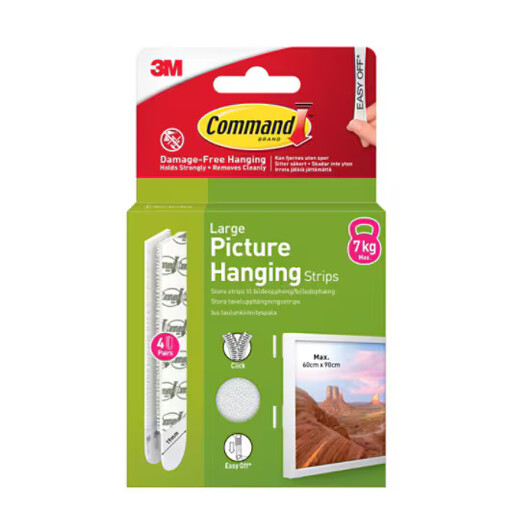
MATCH FOR: The Cautious Renter
3M Command Adhesive Strips Picture Hanging Large (Pack of 4)

3M Command Adhesive Strips Picture Hanging Large (Pack of 4)

Why This Fits Their Persona: Perfect for UK renters or homeowners who want to hang pictures and decor without the commitment of nails or screws, ensuring they can get their full security deposit back.

How It Avoids the Trap

It directly counters the "damage-free deception" by using a proven stretch-release technology that removes cleanly from recommended surfaces like painted walls, tiles and finished wood.

Key Advantage & Pros

No tools required. The interlocking strips allow for frames to be removed and repositioned. Clear weight guidance (up to 7kg with 4 pairs) prevents overloading.
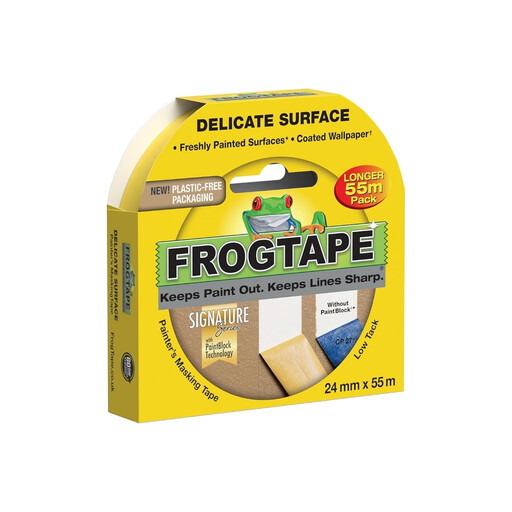
MATCH FOR: The Precision DIY Painter
FrogTape Delicate Surface Painters Masking Tape 24mm x 55m

FrogTape Delicate Surface Painters Masking Tape 24mm x 55m

Why This Fits Their Persona: For the home decorator creating an accent wall or painting detailed trim who demands professional, sharp lines and cannot risk damaging the underlying surface.

How It Avoids the Trap

This tape shatters the "one-size-fits-all" myth. Its low-adhesion washi paper construction is specifically for delicate jobs, unlike generic masking tape that can cause paint bleed or surface damage.

Key Advantage & Pros

According to the brand, its PaintBlock Technology creates a micro-barrier to prevent paint bleed. The low adhesion is ideal for freshly painted walls (cured 24+ hours) and coated wallpaper.
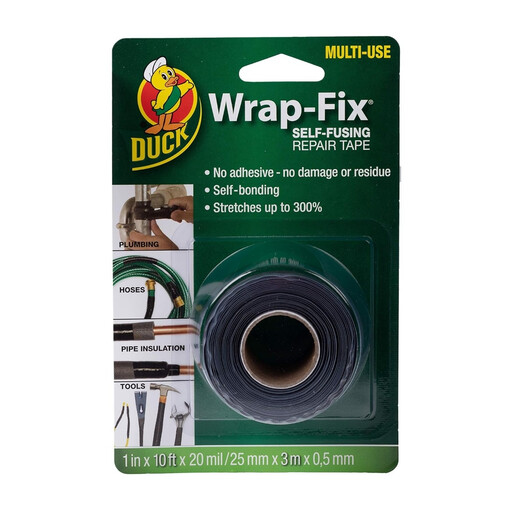
MATCH FOR: The Emergency Repairer
Duck Tape Wrap-Fix Self-Fusing Repair Tape 25mm x 3m

Duck Tape Wrap-Fix Self-Fusing Repair Tape 25mm x 3m

Why This Fits Their Persona: For the practical homeowner who wants a reliable, quick-fix solution in their toolbox for unexpected leaks in pipes, hoses or other plumbing emergencies.

How It Avoids the Trap

This is the ultimate specialised product, proving that generic duct tape isn't always the answer for wet repairs. It creates a watertight seal where adhesive-based tapes would fail immediately.

Key Advantage & Pros

Self-fusing silicone technology bonds only to itself, creating a solid rubber seal. It requires no adhesive and can even be applied to wet surfaces or underwater for an instant fix.

Looking for More Options?

We have compiled a complete, real-time list of products that fully satisfy these strict selection criteria and UK safety regulations.

Frequently Asked Questions

How do I prepare a wall for adhesive strips?

For the strongest bond, the surface must be clean and dry. Wipe the area with an isopropyl rubbing alcohol solution and allow it to dry completely. Do not use household cleaners, as they can leave behind a slippery residue that prevents the adhesive from gripping properly. Also, wait at least one hour after applying the strip to the wall before hanging anything.

Why did my painter's tape peel off the paint?

This usually happens for one of two reasons. First, the tape's adhesion level was too high for the surface (e.g., using a multi-surface tape on a wall painted less than 24 hours ago). Second, the paint was left to dry completely before the tape was removed. For the cleanest lines, it's often recommended to remove painter's tape while the final coat of paint is still slightly wet, pulling it away from the wall at a 45-degree angle.

Can I reuse damage-free hanging strips?

The strips themselves are single-use. Once you use the stretch-release feature to remove a strip from the wall, its adhesive properties are gone. However, you can reuse the plastic hooks or the interlocking picture-hanging fasteners. You can purchase packs of replacement adhesive strips, like the 3M Command Adhesive Strips Replacement Pack, to move and reuse your hooks and frames multiple times.