
24/7 全天候客户支持

免费退货

当日/次日达

品质保障

开启新人专享福利: 全场免邮 | 低至 2 折 | 免费试用 30 天 JoyPlus 会员
下载 Joybuy
Whether you are hanging wallpaper, repairing a household item, securing flooring or packing parcels, choosing the wrong adhesive can waste both money and time. A product may appear suitable on the front of the pack but still fail because it is incompatible with the surface, unsuitable for moisture or not strong enough for the intended load.
This guide from the Joybuy Product Recommendation Officer focuses on practical product selection rather than marketing language. It covers wallpaper paste, carpet tape, super glue, grab adhesive, sealant, masking tape, electrical insulating tape, craft glue and other DIY adhesives commonly used in UK homes and workplaces.
A high-strength adhesive is not automatically right for every job. Super glue can bond small, close-fitting parts quickly, but it is not a sensible choice for flexible flooring or large wall panels. Similarly, grab adhesive may hold skirting boards or trim, but it is not designed for electrical insulation or denture care.
Always match the adhesive type to the material, movement and load involved.
Dust, grease, dampness, wax and loose paint can prevent even a suitable adhesive from working properly. Some products also need one surface to be lightly dampened, while others require both surfaces to be completely dry.
A low-priced product can become expensive if it fails and the job needs to be redone. Clean, dry and sound surfaces are among the most important conditions for reliable adhesion.
Picture hanging strips and delicate-surface painters tape can reduce the need for nails or drilling, but they still have limits. Weight ratings, surface types, temperature and application time all matter. They should not be used on weak wallpaper, recently painted surfaces or valuable objects unless the instructions specifically permit it.
Removal should also follow the manufacturer’s method. Pulling a strip outwards rather than slowly downwards can damage paint or plaster.
Consider whether the finished bond will face vibration, water, heat, foot traffic or outdoor exposure. A rigid bond may not suit materials that expand and contract. For flooring, check the tape’s compatibility with vinyl, laminate, underlay and the subfloor.
Electrical insulating tape requires additional care. Isolate the power before working, check the product’s voltage suitability and do not treat ordinary masking tape or parcel tape as electrical insulation. For fixed electrical installations, follow applicable UK requirements and use a qualified electrician where appropriate.
Compare the amount supplied with the size of your job:
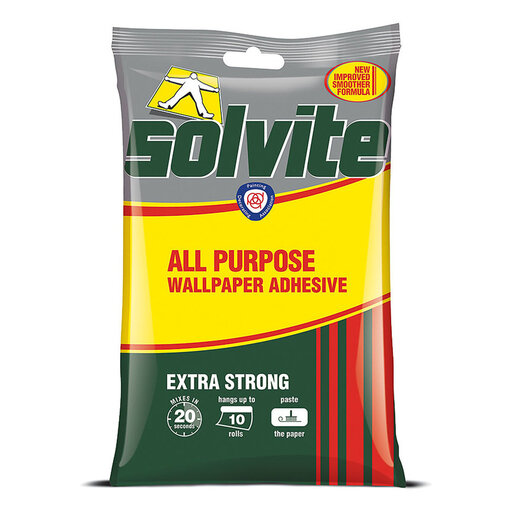
Why This Fits Their Persona: A practical option for UK homeowners planning a feature wall or several rooms, with supplied information stating coverage of up to 10 rolls.
It is described as fast-mixing and suitable for wallpaper types including vinyl, reducing the risk of buying a paste intended only for lightweight paper.
Powder format, quick mixing and stated suitability for plaster, drywall and previously papered walls.
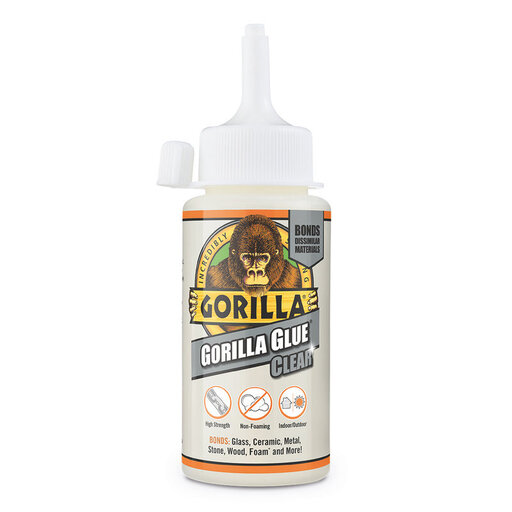
Why This Fits Their Persona: Suitable for detailed household repairs and decorative work where a clear, non-foaming finish is important.
The supplied specification identifies it as non-expanding, helping avoid foaming or distortion along a visible bond line.
Clear colour, 100 ml size and stated water resistance for selected indoor and outdoor applications.
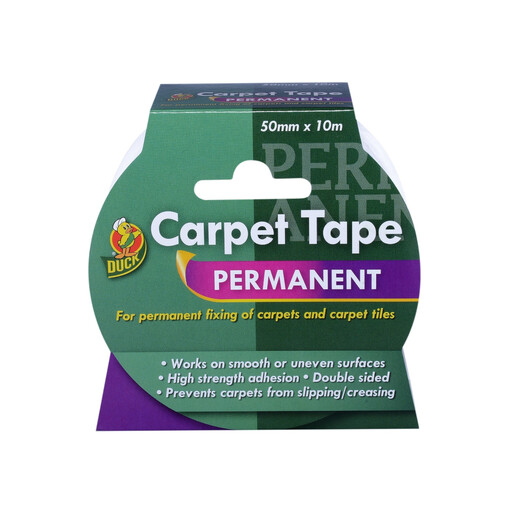
Why This Fits Their Persona: Designed for flooring repairs, lifted edges, seams and vinyl or laminate installation where immediate pressure-sensitive adhesion is useful.
The product information specifies clean, dry surfaces and warns that it is not a replacement for full adhesive systems in high-moisture areas.
50 mm width, release liner for controlled application and compatibility information covering vinyl and laminate surfaces.
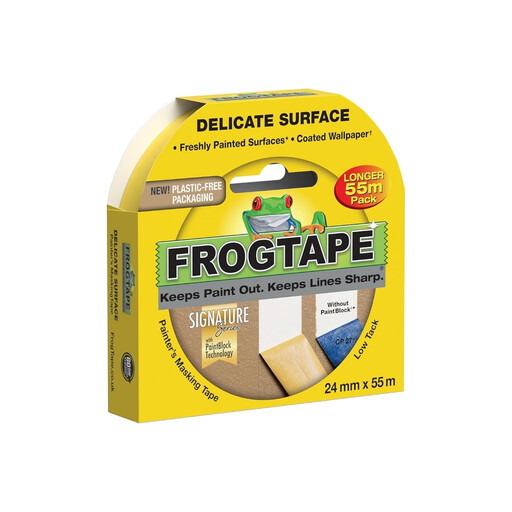
Why This Fits Their Persona: A lower-adhesion option for trim, coated wallpaper, freshly painted walls and detailed craft or decorating work.
Its stated lower adhesion is more appropriate for delicate surfaces than general-purpose masking tape, although a small hidden-area test remains sensible.
24 mm width, 55 m roll length and PaintBlock technology described as helping reduce paint bleed.
We have compiled a complete, real-time list of products that fully satisfy these strict selection criteria and UK safety regulations.
Shelf life varies by formulation, packaging and storage conditions. Keep products sealed in a cool, dry place and protect them from frost, direct sunlight and excessive heat. Check the printed expiry or batch information before use, particularly for denture adhesive, sealant and water-based PVA glue.
No. Carpet tape must be compatible with the flooring backing and subfloor. Avoid damp, freshly mopped, waxed or oily surfaces, and check whether the tape is suitable for heated flooring or high-moisture rooms. For permanent installations, follow the flooring manufacturer’s fitting guidance.
Choose according to the surface and the finish required. Standard masking tape may suit general protection, while painters tape with lower adhesion is more appropriate for delicate or freshly finished surfaces. Apply to a clean, dry area, press the edge firmly and remove slowly in line with the product instructions.