
24/7 Customer Support

Free returns

Same-day & Next-day Delivery

Quality Guaranteed

Unlock Your Welcome Offers: FREE Delivery | Up to 80% OFF | Free 30-day JoyPlus trial
Download the APP
Choosing between wallpaper adhesive, grab adhesive, strong glue and removable adhesive strips can be confusing. The wrong product may lead to lifting wallpaper, damaged plaster, failed fittings or money spent on a product that does not suit the surface.
This guide explains what to check before buying adhesives and wallpaper paste in the UK, with practical recommendations for decorating, repairs, hanging items and general DIY.
Wallpaper paste is designed for wallcoverings, not for fixing shelves or bonding metal to plastic. Similarly, construction adhesive may hold skirting boards securely but can be unsuitable for delicate wallpaper or surfaces that need clean removal.
Always match the adhesive to:
A large tub is not automatically better value. Dry wallpaper paste may cover a stated number of rolls once mixed, while ready mixed wallpaper paste is usually sold by weight and coverage. Check the manufacturer’s estimated coverage and compare it with the size of your project.
For a small repair, a wallpaper repair adhesive or sachet can be more economical than a large bucket. For a full room, a multi-roll pack or ready mixed tub may reduce preparation time.
Removable adhesive strips and picture hanging strips are intended for selected smooth, sound indoor surfaces. They should not be used on wallpaper, weak or delicate surfaces, or for valuable objects unless the packaging specifically permits it.
Paint condition also matters. Freshly painted walls may need time to cure before adhesive strips are applied. Follow the product instructions, respect weight limits and use the correct number and size of strips.
Wallpaper paste must suit the wallcovering. Lightweight paper, vinyl, embossed and textile wallpapers can have different requirements. Some products support both paste-the-wall and paste-the-paper methods, while others are formulated for particular coverings.
Look for:
A dry adhesive sachet can be useful when you want to adjust the mix for different coverings. A ready mixed product is more convenient when you want to open the tub and apply it immediately.
For grab adhesive, strong glue and construction adhesive, check both initial grab and full curing time. An adhesive that holds an item temporarily may still need support while it cures.
For example, the UniBond No More Nails Original Grab Adhesive is supplied in a cartridge or tube format for indoor bonding. The cartridge version lists a drying time of up to 24–48 hours, so heavier or warped objects may need temporary support.
Contact adhesive is generally selected for close-fitting materials and repairs, while polyurethane glue expands as it cures and may require clamping. Read the label carefully before using either on porous or delicate materials.
Clean, dry and sound surfaces usually provide more consistent adhesion. Remove dust, grease and loose paint before application. For wallpapering, fill cracks and holes and allow repairs to dry before pasting.
Also check:
For example, some contact adhesives are restricted to buyers aged 18 or over in the UK. Certain polyurethane products also carry hazard information relating to isocyanates, so the packaging and safety data should be read before use.
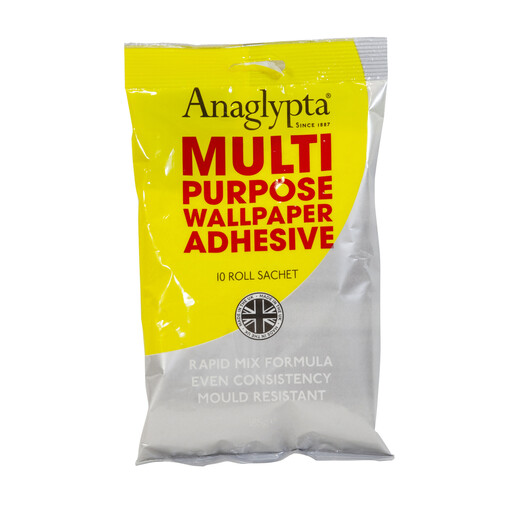
Why This Fits Their Persona: A practical dry-mix option for DIY decorators who want adjustable strength and coverage for smaller or varied wallpapering jobs.
The sachet format avoids buying a large tub for a limited project, while the mixing instructions allow the adhesive strength to be matched to the wallcovering.
Mixes in approximately two minutes, offers slip for pattern matching and is listed to cover up to 10 rolls.
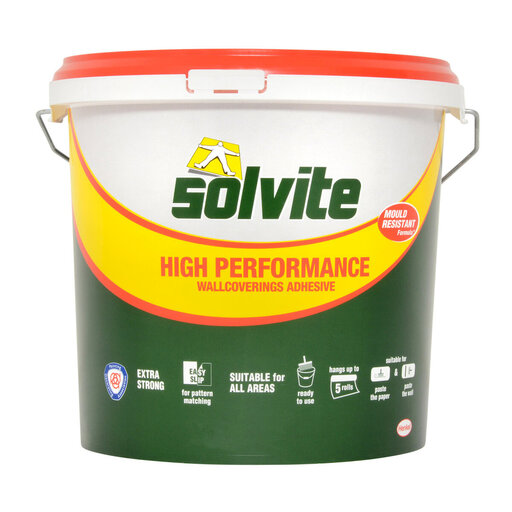
Why This Fits Their Persona: Suitable for homeowners and decorators who value ready-to-use preparation for multi-roll interior projects.
The stated coverage of up to five rolls makes it easier to estimate quantities instead of relying on tub size alone.
Ready mixed, applicable by brush or roller, and listed for vinyl and textile wallcoverings with heat and mould resistance.
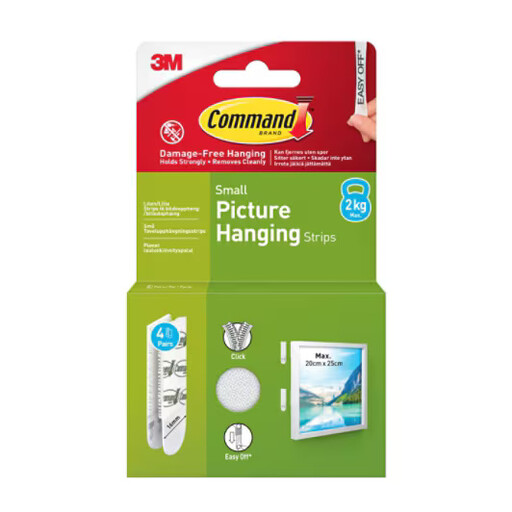
Why This Fits Their Persona: Designed for indoor picture hanging where avoiding nails and screw holes is important, including rented accommodation.
The product instructions specify suitable smooth surfaces and warn against wallpaper, delicate surfaces and valuable items.
No tools are required, and the small set is listed to hold one frame up to 1 kg when used as directed.
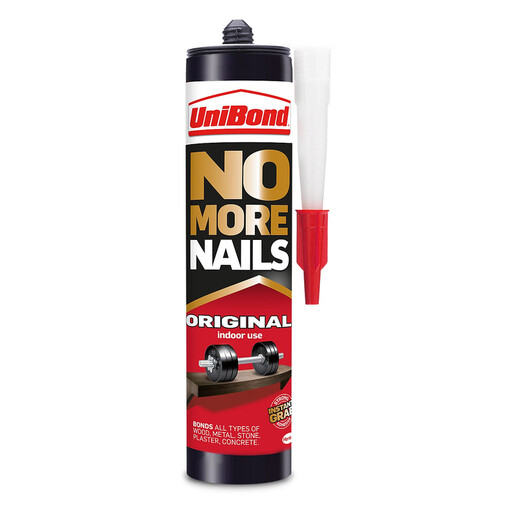
Why This Fits Their Persona: A suitable format for repeated indoor fixing work involving common building materials such as wood, plaster, concrete and ceramic.
Its interior-only specification prevents the common mistake of using a general grab adhesive for exposed outdoor work.
The cartridge supports controlled application with a sealant gun, while excess adhesive can be cleaned with water.
We have compiled a complete, real-time list of products that fully satisfy these strict selection criteria and UK safety regulations.
For loose seams, lifted edges and vinyl-to-vinyl overlaps, a dedicated wallpaper repair adhesive is usually more appropriate than standard paste. Solvite Overlap and Border Adhesive is supplied for this type of precision repair and can be applied directly from its tube.
Storage life depends on the product, container seal and conditions. Close the tub securely after use and follow the manufacturer’s storage guidance. Discard paste if it develops an unusual odour, mould, skin or a changed consistency.
Generally, no. The product information for picture hanging strips warns against use on wallpaper and delicate or weak surfaces. For wallpapered walls, consider a suitable hook, fixture or repair method that will not compromise the wallcovering.