
24/7 Customer Support

Free returns

Same-day & Next-day Delivery

Quality Guaranteed

Unlock Your Welcome Offers: FREE Delivery | Up to 80% OFF | Free 30-day JoyPlus trial
Download the APP
Waking up with a nagging ache in your neck or shoulders is a frustrating start to any day. If you find yourself constantly shifting position at night, trying to get comfortable, your pillow might be the culprit. An unsupportive pillow can lead to poor spinal alignment, muscle strain and disrupted sleep.
An adjustable pillow for neck pain offers a practical solution. By allowing you to customise the height and firmness, it helps you create a sleep surface tailored to your body and preferred sleeping position. This guide will walk you through the key features to consider and introduce a few of our top recommendations for 2026 to help you find relief and improve your sleep quality.
Choosing the right pillow can feel overwhelming. Here are a few key factors to focus on to simplify your decision.
The material of a pillow directly impacts its comfort and support. Memory foam is a popular choice for its ability to contour to the shape of your head and neck, providing personalised support. However, some people find traditional memory foam can retain heat.
If you're a hot sleeper, look for a memory foam cooling pillow. Modern designs often feature open-cell foam structures, gel-infused layers or breathable covers with moisture-wicking properties to promote airflow and help regulate temperature throughout the night. For those with sensitivities, a hypoallergenic pillow made with non-toxic materials can also help ensure a more restful, irritation-free sleep.
The primary benefit of an adjustable pillow is its versatility. A customisable height pillow, typically featuring removable internal layers, allows you to find the perfect loft for your sleeping style.
An ergonomic pillow or a cervical pillow for side sleepers often has a contoured shape designed to cradle the head and provide targeted support to the neck, which can be particularly beneficial for pillow for shoulder pain relief.
Support is about maintaining proper alignment, not just hardness. A well-designed orthopaedic pillow in the UK market will often use a combination of materials to achieve this. Some pillows feature multi-layer systems with a softer top layer for comfort and a firmer base layer for foundational support. This prevents your head from sinking too deeply while still providing a comfortable, cushioned feel.
Here are a few standout options that offer a blend of adjustability, support and comfort.
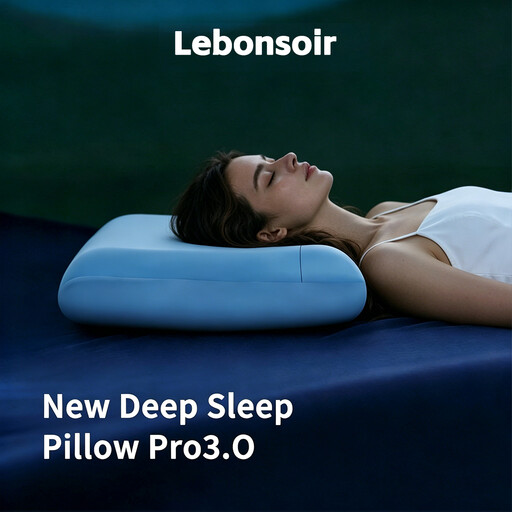
Why It Stands Out: This pillow’s standout feature is its sophisticated 3-layer foam construction. It combines a soft, slow-rebound foam top layer that gently envelops the head and neck, a middle support layer to prevent excessive sinking and a firm base for stable support. This zoned approach provides a balanced feeling of comfort and structural integrity.
Pros:
Who is it for? This pillow is an excellent choice for individuals seeking a highly structured ergonomic pillow. It’s particularly well-suited for back and side sleepers who need precise cervical support to alleviate neck and shoulder tension.
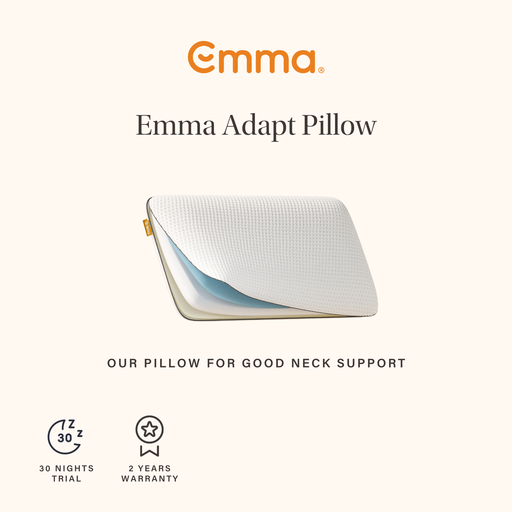
Why It Stands Out: The Emma Adapt Pillow is all about personalisation. Its core strength lies in its three removable foam layers, which allow you to completely tailor the pillow's height and feel. This modular design makes it one of the most versatile options available, accommodating nearly any preference or sleeping position.
Pros:
Who is it for? This is an ideal choice for anyone unsure of their ideal pillow height or for combination sleepers who change positions throughout the night. Its adaptability makes it a safe and flexible investment in comfort.

Why It Stands Out: This pillow takes all the customisable benefits of the standard Emma Adapt and adds a significant upgrade in temperature regulation. It incorporates ThermoSync technology and Airgocell foam, which are specifically designed to enhance airflow, absorb moisture and actively dissipate heat for a cooler, more comfortable night.
Pros:
Who is it for? If you love the idea of an adjustable pillow but struggle with overheating at night, this is the pillow for you. It’s the perfect solution for hot sleepers and those with allergies who still want the tailored support of a customisable height pillow.
While adjustable pillows offer great versatility, some people prefer the consistent feel of a non-adjustable pillow. If you know you need unwavering support without the need for customisation, a different style might be a better fit.
If you're looking for a pillow with consistent, solid support, explore our wider collection of firm pillows to find the right match for your needs.
1. How do I know what height my adjustable pillow should be? The goal is to keep your head, neck and spine in a neutral, straight line. For side sleepers, the pillow should be high enough to fill the gap between your head and the mattress. For back sleepers, it should be lower, just enough to support the natural curve of your neck. Stomach sleepers should use the thinnest configuration possible. It's best to start with a medium height and remove or add layers over a few nights until it feels right.
2. How long does it take to get used to a new ergonomic pillow? It's normal to experience an adjustment period of a few days up to a week. Your body may need time to adapt to a new, more supportive sleeping posture, especially if your old pillow was unsupportive. Be patient as your muscles get used to the proper alignment.
3. Are memory foam pillows hot to sleep on? This was a common issue with older, dense memory foam. However, modern pillows have largely solved this problem. Many now feature open-cell structures, breathable covers and advanced cooling technologies like gel infusions or specialised foams to improve airflow and dissipate heat, ensuring a much cooler sleep.