
24/7 Customer Support

Free returns

Same-day & Next-day Delivery

Quality Guaranteed

Unlock Your Welcome Offers: FREE Delivery | Up to 80% OFF | Free 30-day JoyPlus trial
Download the APP
Waking up with a stiff neck or a dull ache in your shoulders is a frustratingly common experience. While many factors can contribute to poor sleep, an unsupportive pillow is often a primary culprit. A standard pillow that is too high, too low or too soft can force your spine out of alignment, leading to discomfort and restless nights.
An adjustable pillow for neck pain offers a practical and personalised solution. By allowing you to modify its height and firmness, you can create a sleep surface that is tailored specifically to your body and sleeping position. This guide is designed to help you navigate the options, understand the key features to look for and find a pillow that supports a truly restorative night's sleep.
Finding the ideal pillow involves more than just picking one off the shelf. Consider these factors to make an informed choice.
The filling inside a pillow determines its feel and supportive qualities. The two most common materials in adjustable models are:
A truly customisable pillow should cater to how you sleep. Your preferred position dictates the ideal pillow height, or 'loft':
Beyond basic support, modern pillows come with features designed to tackle common sleep issues:
Here are our recommendations for adjustable pillows that offer exceptional comfort and support.

Why It Stands Out: This pillow’s strength lies in its three-layer customisation system. It combines pressure-relieving Viscoelastic Memory Foam, supportive HRX Hyper-soft Cold Foam and breathable Airgocell foam. This allows you to mix and match layers to create the perfect balance of softness, support and height.
Pros:
Who is it for? This is an excellent choice for side, back and combination sleepers who want a medium-firm memory foam pillow that can be precisely tailored to their support needs.

Why It Stands Out: This pillow delivers a plush, cloud-like feel without sacrificing support or temperature control. It uses soft microfibre filling for down-like comfort, while an integrated Outlast cooling layer actively helps regulate temperature by absorbing and releasing heat.
Pros:
Who is it for? Ideal for hot sleepers who prefer the softness of a traditional pillow over firm memory foam but still require a customisable support pillow for back pain.
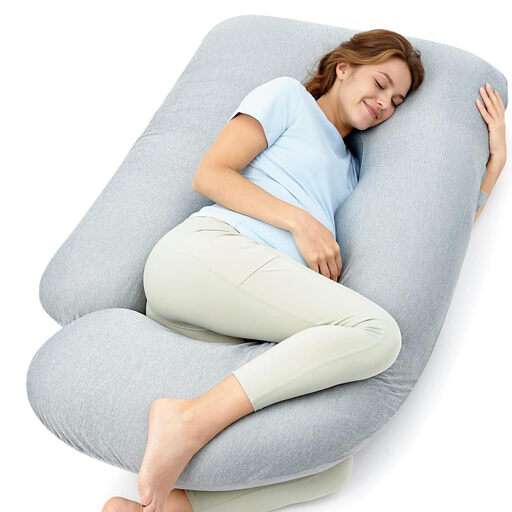
Why It Stands Out: This U-shaped pillow provides 360-degree support for the entire body, not just the head and neck. It is specifically designed to alleviate the discomforts of pregnancy by supporting the back, belly, hips and legs simultaneously. The special cooling cover makes it suitable for those who run warm.
Pros:
Who is it for? While designed as a pregnancy pillow, it is also a fantastic solution for anyone needing comprehensive body support, including those recovering from surgery or experiencing sciatica.
If your main priority is to combat night-time overheating, our recommendations are a great start. However, the world of temperature-regulating sleep technology is vast. To explore more pillows specifically engineered to keep you cool, browse our curated selection of cooling pillows.
1. How do I know the right height for my adjustable pillow? The goal is to keep your spine in a neutral, straight line. For side sleepers, the pillow should be high enough to fill the gap between your head and the mattress. For back sleepers, your head should be supported without being tilted forward. The best way to check is to have someone take a photo of you from the side while you are lying in your usual sleep position.
2. Can an orthopaedic pillow really help with neck pain? An orthopaedic pillow is designed to promote proper posture during sleep. By supporting the natural curve of your neck and keeping it aligned with your spine, it can help reduce strain on muscles and joints. For many people, this alignment can lead to a noticeable reduction in pain and stiffness.
3. How often should I replace my memory foam pillow? A general guideline for a high-quality memory foam pillow is to consider replacing it every 2 to 3 years. Key signs that it's time for a new one include the pillow no longer springing back to its original shape, developing permanent indentations or lumps or if you notice your sleep quality or neck pain worsening.