
24/7 Customer Support

Free returns

Same-day & Next-day Delivery

Quality Guaranteed

Unlock Your Welcome Offers: FREE Delivery | Up to 80% OFF | Free 30-day JoyPlus trial
Download the APP
As more of us in the UK turn to cycling for commuting and leisure, choosing the right safety gear has become more important than ever. An adult bicycle helmet with a light seems like a straightforward purchase, but the market is filled with options that can be misleading. Many riders end up with a helmet that offers poor visibility, questionable protection or is simply too uncomfortable for daily use.
Before you buy, it's worth knowing the common pitfalls that can lead to a disappointing purchase.
This guide will help you navigate these issues by focusing on the essential features that define a reliable and safe cycling helmet.
To make an informed choice, focus on three core parameters: safety certification, light system functionality and overall construction for a comfortable fit.
This is the most critical factor. In the UK and Europe, all cycling helmets must meet the CE EN 1078 standard. This certification ensures the helmet has passed rigorous tests for shock absorption, field of vision and strap strength. Always look for this marking on the product or its packaging. Some helmets may also list American standards like CPSC or ASTM, which indicate a similar level of safety testing and are often found on products sold internationally. A helmet without clear certification is a risk not worth taking.
A good light system is about more than just having an LED. For a commuter helmet with light, consider these points:
A helmet you wear every day needs to be comfortable and durable. Look for helmets made with in-mould construction, where the outer polycarbonate (PC) shell is fused to the inner Expanded Polystyrene (EPS) foam liner. This creates a lightweight yet robust structure.
Furthermore, an effective urban bike helmet must have good ventilation to prevent overheating. Check for multiple air vents and internal channelling. Finally, a secure fit is paramount. A dial-adjustment system at the back of the helmet allows for precise, one-handed tightening to ensure the helmet stays put.
Based on these practical criteria, we've matched a few standout products to different rider profiles.
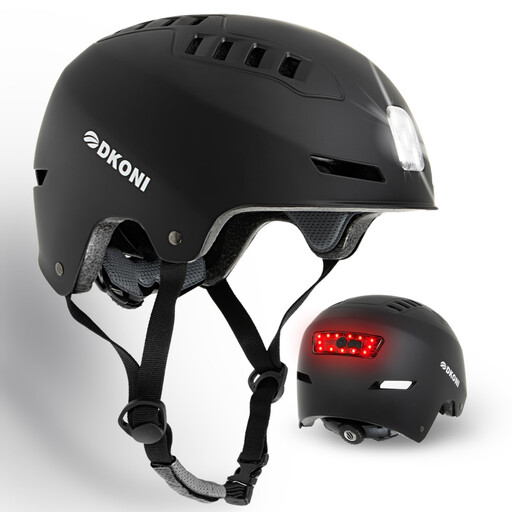
Why This Fits Their Persona: This rider needs maximum visibility and comfort for daily journeys, regardless of the time or weather. The dual front and rear lights provide 360-degree visibility, while 20 vents ensure comfort on longer rides.
It features a robust, integrated lighting system with both front and rear LEDs, not a flimsy add-on. It is also certified to CPSC, CE and ASTM standards, removing any safety guesswork.
Front and rear USB rechargeable lights for comprehensive visibility. Excellent ventilation with 20 air channels.
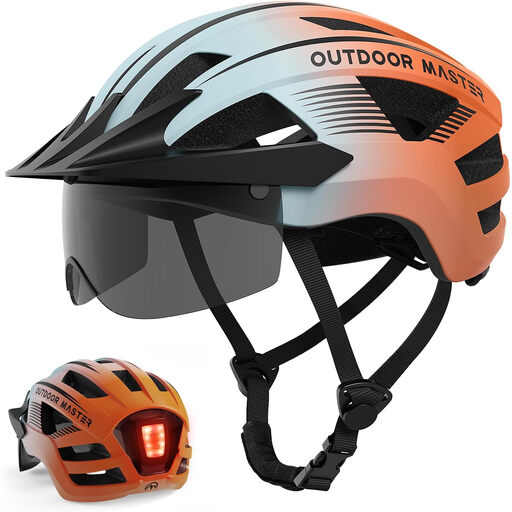
Why This Fits Their Persona: Ideal for the e-bike or city rider who values convenience, style and technology. The magnetic goggles and visor offer protection from wind and sun, making it a versatile choice for varied urban conditions.
This helmet avoids gimmicks by offering genuinely useful features. The Type-C rechargeable light is modern and reliable, and the helmet is CPSC and ASTM certified for safety.
Includes detachable magnetic goggles and a sun visor. Features a modern Type-C charging port for the rear light.
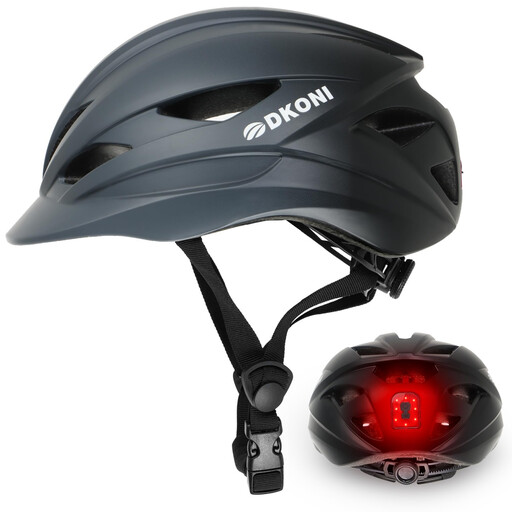
Why This Fits Their Persona: This rider needs dependable, certified safety and a functional light without paying for features they won't use. It's a great choice for weekend rides, short commutes or as a reliable helmet for a teenager.
It focuses on getting the fundamentals right. The in-mould construction provides certified protection, and the simple USB rechargeable rear light is effective and easy to use, avoiding the trap of over-complication.
Provides core safety features and a functional light at an accessible price point. The removable light makes for easy charging.
We have compiled a complete, real-time list of products that fully satisfy these strict selection criteria and UK safety regulations. If you're also considering upgrading your ride, explore our curated selection of performance e-bikes.
The battery life of a rechargeable helmet light typically ranges from 3 to 10 hours, depending on the model and the light mode used. A steady, bright light will consume more power than a flashing mode. For most commuters, a helmet offering 3-5 hours of light is sufficient for several days of riding before needing a recharge.
A bright rear light on your helmet significantly increases your visibility to drivers, which is crucial for safety. However, for riding in unlit areas or during very dark conditions, it is highly recommended to supplement your helmet light with additional front and rear lights mounted to your bicycle's frame, as required by UK law during hours of darkness.
You must replace your helmet immediately after any significant impact, even if there is no visible damage. The internal EPS foam is designed to crush upon impact to absorb energy, and it will not provide the same level of protection in a second crash. Most manufacturers also recommend replacing your helmet every 3-5 years, as materials can degrade over time due to exposure to sweat and UV light.