
24/7 Customer Support

Free returns

Same-day & Next-day Delivery

Quality Guaranteed

Unlock Your Welcome Offers: FREE Delivery | Up to 80% OFF | Free 30-day JoyPlus trial
Download the APP
Whether you're navigating city streets on your daily commute, tackling countryside trails or enjoying a leisurely ride on an e-bike, a reliable helmet is the most important piece of cycling gear you'll own. With so many styles, features and technical specifications on the market, choosing the right adult bike helmet can feel overwhelming.
This guide is designed to cut through the clutter. We'll walk you through the key considerations for selecting a helmet that fits your needs, explain important safety standards and share some of our top recommendations to help you ride with greater confidence.
Before looking at specific models, it's helpful to understand what separates one helmet from another. Focusing on these three areas will ensure you find a helmet that is safe, comfortable and suited to your type of riding.
In the UK, all bicycle helmets must meet specific safety standards to be sold legally. You will typically see a CE EN 1078 marking, which signifies compliance with European standards.
Many helmets also carry additional certifications, such as CPSC (U.S. Consumer Product Safety Commission) or ASTM (American Society for Testing and Materials). These often indicate that the helmet has undergone further rigorous testing for impact absorption and structural integrity. Seeing these certifications can provide an extra layer of assurance about the helmet's protective capabilities.
An ill-fitting helmet can compromise its effectiveness in a crash. A good helmet should feel snug but not tight, and it shouldn't shift when you move your head. Look for an adjustable cycling helmet with a dial-fit system at the back. This allows you to fine-tune the fit with one hand for a secure and comfortable feel.
Ventilation is another key factor, especially for longer rides or in warmer weather. The number and placement of vents determine how well air flows over your head, keeping you cool and reducing sweat build-up.
The ideal helmet often depends on where and how you ride.
Based on safety features, user comfort and practicality, here are a few standout options to consider.
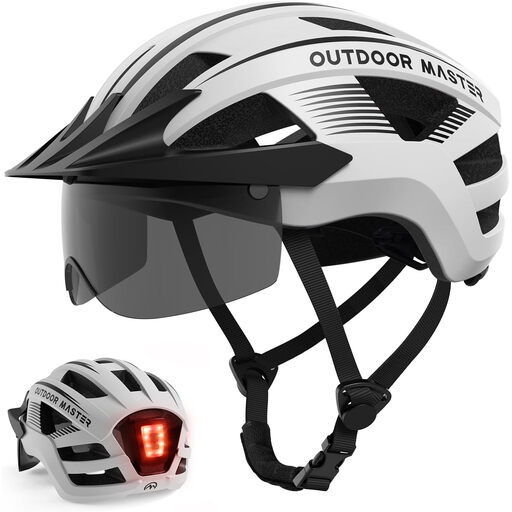
Why It Stands Out: This helmet is a versatile package for the modern cyclist. It combines CPSC and ASTM safety certifications with practical, integrated features. The Type-C rechargeable rear light enhances visibility, while the magnetic goggles and removable visor offer protection from the elements, making it a strong all-in-one solution.
Pros:
Who is it for? This is an excellent choice for urban commuters and e-bike riders who want a single helmet packed with features for safety, visibility and comfort.
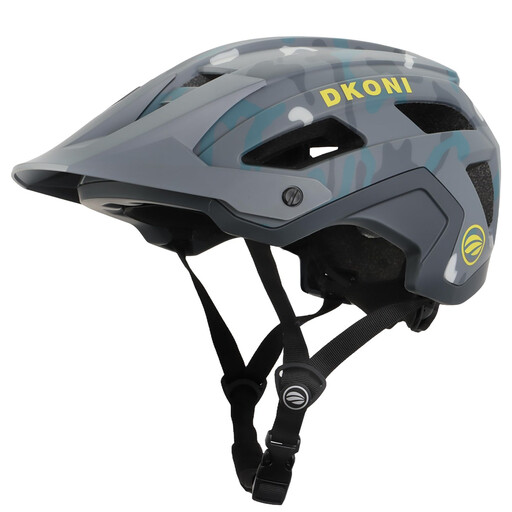
Why It Stands Out: Built with trail riding in mind, the DKONI HS-061 focuses on robust protection and comfort. It features extended coverage at the back and sides of the head and meets both US and EU safety standards. Its large, removable ABS visor provides substantial shielding from sun and trail debris.
Pros:
Who is it for? Ideal for recreational mountain bikers and trail riders who need a durable, protective helmet that remains comfortable on long journeys.
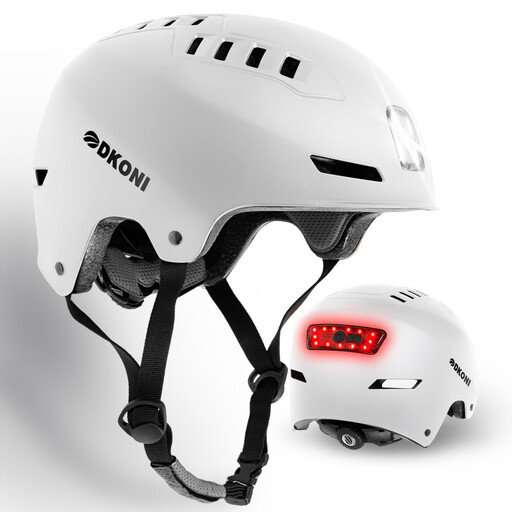
Why It Stands Out: This helmet prioritises 360-degree visibility, making it a top contender for safety-conscious commuters. It is equipped with a USB rechargeable lighting system that includes 5 white LEDs at the front and 13 red LEDs at the rear. With CPSC, CE and ASTM certifications, it offers comprehensive protection for urban environments.
Pros:
Who is it for? A great option for daily commuters, evening riders and anyone who cycles in busy traffic where being seen from all angles is paramount.
Every cyclist has unique preferences for fit, style and features. If you haven't found the perfect model for your needs here, there are many other styles to discover.
Explore our full range of cycling helmets to find the one that's right for you.
Most manufacturers recommend replacing your helmet after any significant impact, even if there is no visible damage, as its protective structure may be compromised. Additionally, it's advisable to replace your helmet every 3-5 years, as materials like foam and plastics can degrade over time due to exposure to sweat and UV light.
Absolutely. A mountain bike helmet is a very versatile choice. The enhanced rear coverage and sturdy visor can be beneficial in an urban environment. While they may be slightly heavier or less aerodynamic than a dedicated road bike helmet, their protective qualities make them a popular choice for many commuters.
For anyone who rides in low-light conditions—such as early mornings, evenings or on overcast days—a helmet with an integrated light can be a valuable safety feature. A light positioned high on your head is more visible to drivers over the top of cars and other obstacles, significantly improving your presence on the road.