
24/7 Customer Support

Free returns

Same-day & Next-day Delivery

Quality Guaranteed

Unlock Your Welcome Offers: FREE Delivery | Up to 80% OFF | Free 30-day JoyPlus trial
Download the APP
As a cyclist in the UK, whether you're commuting through city traffic or enjoying a weekend ride on country lanes, visibility is paramount. An adult bike helmet with a light has become a key piece of equipment for enhancing safety. However, the market is filled with options and it's easy to choose a helmet that looks the part but fails on practicality.
Before you make a purchase, it's important to be aware of a few common pitfalls. Many cyclists are drawn to flashy features that don't translate to real-world safety or comfort, leading to a purchase you might regret.
To make an informed choice, focus on the core parameters that define a quality helmet. These are the non-negotiable elements that ensure your helmet is safe, comfortable and practical for your riding needs.
A helmet's primary job is protection. In the UK and Europe, look for helmets that meet established safety standards.
The defining feature of a commuter helmet with light is its illumination system. Look beyond just the presence of a light and consider its practical application.
A helmet must be worn correctly to be effective. Comfort ensures you will wear it for every ride.
We've filtered through the options to match specific helmets with different types of UK cyclists.
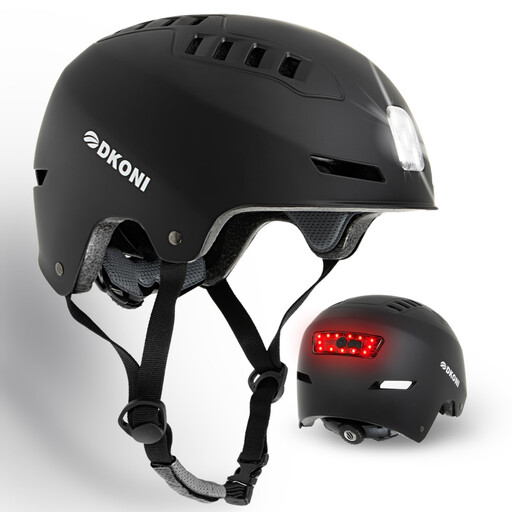
Why This Fits Their Persona: This helmet is built for the demands of city riding. The dual front and rear lighting system provides 360-degree visibility, which is crucial for navigating busy junctions and being seen in traffic from all angles. The USB rechargeable feature is practical for daily use.
It moves beyond the "bright light" trap by offering a complete system with 5 front LEDs and 13 rear LEDs with four distinct modes, ensuring you are seen, not just illuminated.
CPSC, CE and ASTM certified for comprehensive safety. The 20 vents and removable, washable liner address comfort and hygiene for daily riders.
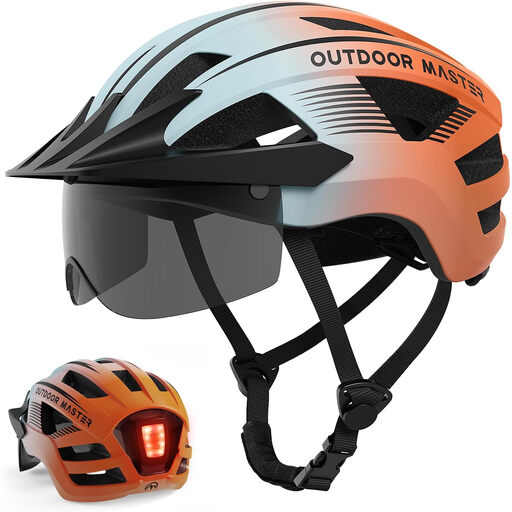
Why This Fits Their Persona: Perfect for riders who face unpredictable British weather. The magnetic detachable goggles protect against wind and rain, while the removable sun visor is ideal for bright days. It's a versatile package for road, trail or city path cycling.
This helmet avoids the discomfort trap by combining 17 large vents for excellent airflow with a lightweight in-mould construction, ensuring it remains comfortable on long rides.
The 3-in-1 design (helmet, light and eye protection) offers great value. The Type-C rechargeable rear light provides modern convenience and reliable visibility.
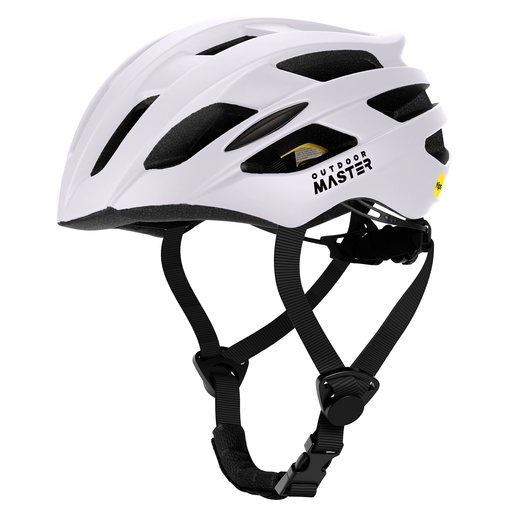
Why This Fits Their Persona: For the rider who prioritises impact protection above all else, this helmet's standout feature is the MIPS technology. This provides an advanced level of safety focused on reducing rotational forces, a key concern in road cycling accidents.
It directly addresses the "safety confusion" trap by offering a clear, tangible upgrade in protection. It allows users who prefer powerful, dedicated bike lights to focus on getting the best structural protection possible.
Features the MIPS system for advanced protection. Its ultra-light construction and 21 vents are optimised for performance and comfort on long road rides.
We have compiled a complete, real-time list of products that fully satisfy these strict selection criteria and UK safety regulations.
It is widely recommended to replace your bicycle helmet after any significant impact, even if there is no visible damage, as its structural integrity may be compromised. Furthermore, materials can degrade over time due to exposure to UV light and general wear. For this reason, most manufacturers suggest replacing your helmet every 3 to 5 years.
Integrated helmet lights are primarily designed for visibility—that is, to help other road users see you. While they add a crucial layer of safety in urban and suburban areas, they may not be powerful enough to fully illuminate a dark, unlit path. For riding on country lanes or trails with no streetlights, it is advisable to supplement your helmet light with a powerful, handlebar-mounted front light (typically 800 lumens or more).
Getting the correct size is essential for both comfort and safety. Use a soft, flexible measuring tape to measure the circumference of your head. Position the tape about 2.5cm (1 inch) above your eyebrows, keeping it level all the way around. Once you have your measurement, compare it to the sizing chart provided by the helmet manufacturer (e.g., Medium: 55-58 cm). A properly fitted helmet should feel snug all around your head without being uncomfortably tight and it should not shift when you shake your head.