
24/7 Customer Support

Free returns

Same-day & Next-day Delivery

Quality Guaranteed

Unlock Your Welcome Offers: FREE Delivery | Up to 80% OFF | Free 30-day JoyPlus trial
Download the APP
Choosing among adult bikes is not simply a matter of colour, price or the number of gears. The right option depends on where you ride, how you store it, your height, your carrying needs and how much assembly or maintenance you are prepared to handle.
Many UK buyers encounter the same avoidable problems: a mountain bike that feels slow on pavement, a folding bike that is compact but uncomfortable, or a seemingly affordable bicycle that needs extra equipment before it can be used safely. This guide explains the practical specifications to check before choosing bikes for adults.
A mountain bike is designed around wider, more deeply treaded tyres, stronger off-road geometry and, in some cases, suspension. These features can be useful on gravel, woodland paths and uneven ground, but they may add weight and rolling resistance during a daily road commute.
Conversely, a lightweight folding bicycle with narrow 20-inch tyres may be convenient in town but is not intended for rough trails or extreme terrain. Match the bicycle to your usual surface rather than choosing based on the most impressive-looking specification.
“Folding” does not automatically mean easy to carry. Check both the folded dimensions and the complete bicycle weight. A bike may fit beneath a desk or in a car boot but still be awkward on stairs if it is heavy or lacks a convenient carrying position.
A 20-inch folding bike often provides a practical balance between compact storage and stable urban handling. However, frame design, hinge position and handlepost arrangement can make a noticeable difference to everyday portability.
A bicycle that is too large or too small can be uncomfortable and harder to control. Check the stated rider-height range and, where provided, your inside-leg measurement. Also check the maximum rider weight, which includes clothing, luggage and other carried items.
Some adult bikes arrive partly assembled. Handlebars, pedals, the front wheel and saddle may need fitting, and the brakes and gears may require adjustment. If you are not confident completing these checks, a local bike shop can help set up the bicycle before use.
The frame and adjustment range should suit your height and riding position. For example, the Boss mountain bike has an 18-inch frame and is listed for riders between 157 and 183 cm, with an advised inside-leg measurement of 28 to 32 inches. Its maximum rider weight is 115 kg, including luggage and clothing.
The DAHON folding models have a broader listed rider-height range of 145 to 190 cm and a maximum rider weight of 105 kg. Always use the manufacturer’s figures as a starting point, then check whether the saddle and handlebar positions provide a comfortable reach.
A 26-inch mountain bike generally offers a familiar riding position and tyres suited to mixed surfaces. The Boss model uses 26 × 1.95-inch tyres with a deep knobbly tread for dirt, gravel, mud and uneven ground.
A 20-inch folding bike is easier to store and can feel responsive in city streets. The DAHON Route uses 20 × 1.5-inch tyres, while the DAHON Hit D6 uses 20 × 1.75-inch tyres. Wider tyres may offer additional cushioning on imperfect roads, but the suitable choice depends on your preferred handling and route.
More gears provide a wider range of ratios, but they do not automatically make a bicycle faster. A Shimano geared bike can be useful for varied gradients, provided the gear range matches your riding.
The Boss mountain bike has 21 speeds, making it suitable for casual off-road riding and general use. The DAHON Route is a 7-speed folding bike with Shimano Tourney components, while the DAHON Hit D6 is a 6-speed folding bike with Shimano Tourney equipment and REVO shifters. These folding-bike drivetrains are intended for urban riding, flat routes and gentle hills rather than demanding off-road use.
All three options use V-brakes. Before every ride, check that both brakes engage properly, the tyres are inflated to the pressure printed on the sidewall and any folding levers are fully locked.
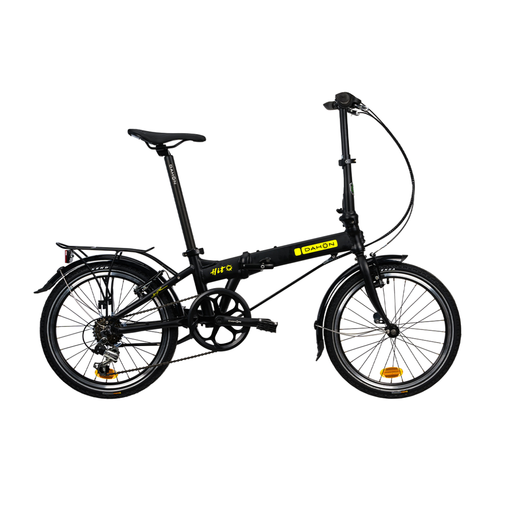
Why This Fits Their Persona: A practical urban bicycle for adults who need compact storage, straightforward daily use and no assembly before riding.
It states a folded size of 65 x 34 x 82 cm, weighs 11.54 kg and requires no assembly, helping buyers assess storage and setup realistically.
6-speed Shimano Tourney drivetrain; included mudguards, rack and foldable pedals for everyday commuting.
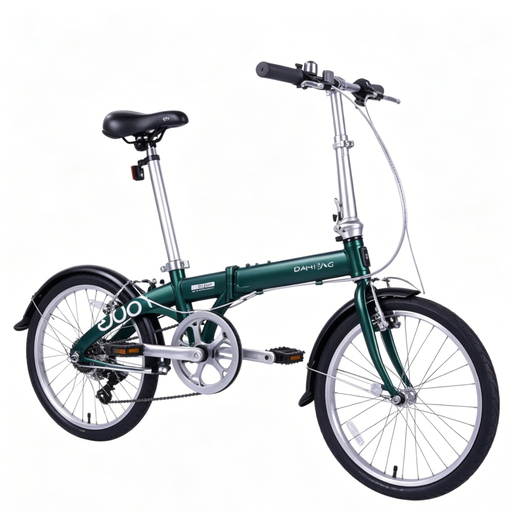
Why This Fits Their Persona: A lightweight folding bicycle for commuters who prioritise a broad rider-height range, compact storage and a 7-speed setup.
Its folded dimensions are clearly listed as 80 x 34 x 66 cm, with a stated weight of 11.98 kg and a 105 kg maximum rider weight.
Aluminium frame and handlepost; Shimano Tourney 7-speed drivetrain and front and rear mudguards.
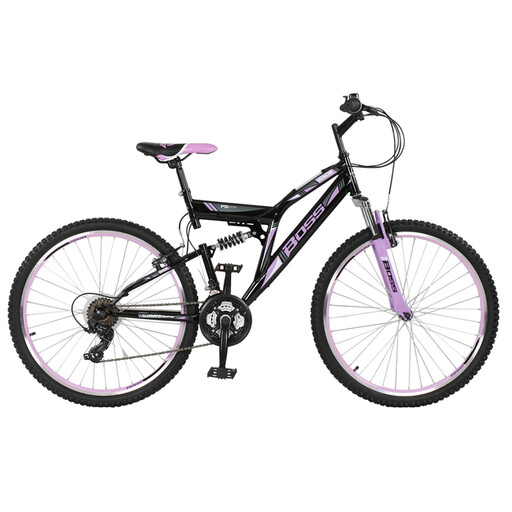
Why This Fits Their Persona: Suited to adults wanting a mountain bike for general riding, gravel, muddy paths and casual off-road routes rather than a folding commuter.
The product information states its 18 kg assembled weight, 115 kg maximum rider weight and limits against downhill riding, heavy drops and extreme BMX use.
21-speed gearing; suspension fork, V-brakes and 26 x 1.95-inch tyres with deep tread.
We have compiled a complete, real-time list of products that fully satisfy these strict selection criteria and UK safety regulations.
Before using any commuter bike or mountain bike, complete these checks:
For a partly assembled model, allow time for adjustment and obtain assistance from a local cycle shop if necessary. Correct setup affects comfort, braking and gear changes.
Yes, a folding bike can work well for city commuting, train connections and homes with limited storage. Compare its folded dimensions, weight, gear range and included equipment. The DAHON Route and Hit D6 both include features intended for everyday urban use, although neither is designed for extreme or off-road terrain.
It can be used for general road riding, but deeply treaded tyres and suspension may feel less efficient than narrower road-oriented tyres. A 26-inch mountain bike is more appropriate if your routes include gravel, uneven lanes or light trails as well as pavement.
Lifespan depends on mileage, storage, weather exposure, rider weight, assembly quality and maintenance. Tyres, brake pads, chains and bearings are wear items and may need replacement before the frame. Store the bike in a dry place, keep the drivetrain clean and inspect it regularly for safe continued use.