
24/7 Customer Support

Free returns

Same-day & Next-day Delivery

Quality Guaranteed

Unlock Your Welcome Offers: FREE Delivery | Up to 80% OFF | Free 30-day JoyPlus trial
Download the APP
Whether you're navigating city streets on your daily commute, tackling country lanes on a weekend ride, or exploring off-road trails, a reliable helmet is the most important piece of cycling equipment you'll own. But with so many options available, choosing the right one can feel overwhelming. How do you balance safety, comfort and features without getting lost in marketing jargon?
As the Joybuy Product Recommendation Officer, my role is to help you find practical, high-value products. This guide cuts through the clutter, focusing on what truly matters: certified safety, a comfortable fit and features that genuinely improve your ride. We'll look at key considerations for UK cyclists and highlight a few standout options to help you make an informed choice.
Before looking at specific models, it's helpful to understand the core features that define a quality helmet. Focusing on these three areas will ensure you select a helmet that is safe, comfortable and suited to your needs.
In the UK and Europe, all cycling helmets must meet specific safety standards to be legally sold. The key certification to look for is CE EN 1078. A helmet with this marking has been tested for its impact absorption capabilities, construction, field of vision and strap strength. A CE certified bike helmet provides a baseline level of protection you can trust, so always check for this standard before making a purchase.
An ill-fitting helmet can compromise its effectiveness in a crash. Your helmet should sit level on your head, with the front edge about two fingers' width above your eyebrows. It should feel snug but not uncomfortably tight. Most modern helmets are designed as an adjustable bike helmet, featuring a dial at the back that allows you to fine-tune the fit with one hand. Ensure the side straps form a 'Y' shape just below your earlobes and that you can fit no more than two fingers between the chin strap and your chin.
The ideal helmet depends on how and where you ride.
Most designs are unisex, making them suitable as both a mens cycling helmet and a womens cycling helmet, with the primary differentiator being size and colour.
Based on features, user-friendliness and adherence to safety standards, here are our recommendations for 2026.
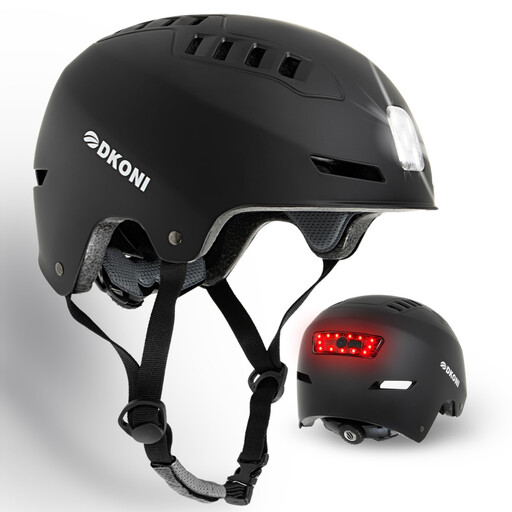
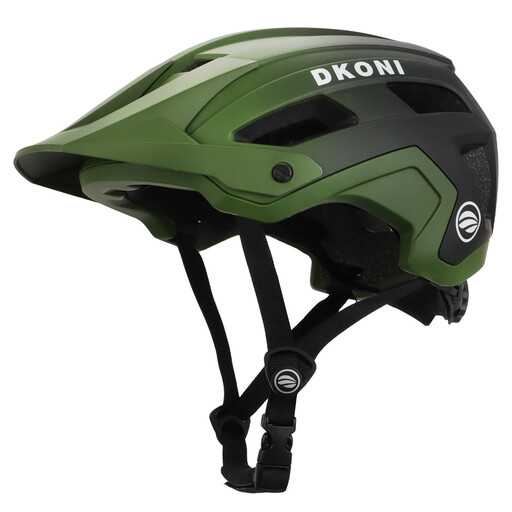
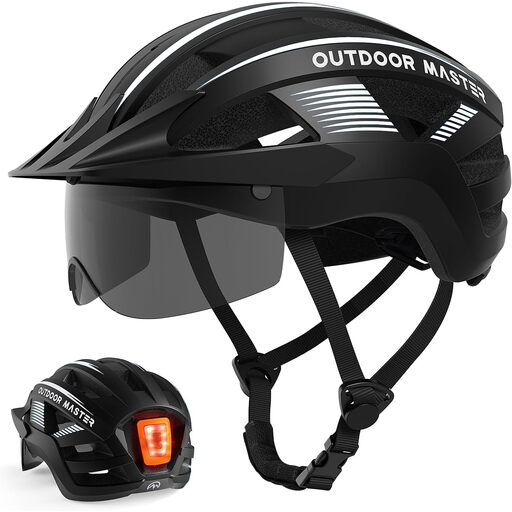
A great helmet is a crucial part of your cycling kit, but it's just one piece of the puzzle. If you're also thinking about upgrading your ride to match your new gear, why not explore our curated selection of road bikes? Discover durable and stylish options perfect for UK roads and beyond.
1. How often should I replace my cycling helmet? It is generally recommended to replace your helmet every 3-5 years, as the materials can degrade over time due to exposure to UV light and the elements. More importantly, you must replace your helmet immediately after any significant impact or crash, even if there is no visible damage.
2. Are mens and womens cycling helmets different? For the most part, no. The vast majority of modern helmets are designed to be unisex. The main differences you might find are in the available size ranges and colour schemes. The most critical factor is finding a helmet that fits your head circumference correctly, which is why an adjustable bike helmet with a rear dial is such a useful feature.
3. Is a more expensive helmet always safer? Not necessarily. All helmets sold in the UK must meet the same CE certified bike helmet standard (EN 1078), which ensures a baseline level of impact protection. A higher price tag often reflects advanced features such as a lighter overall weight, more sophisticated ventilation systems, enhanced aerodynamics or additional technologies, rather than a fundamental increase in safety.