
24/7 Customer Support

Free returns

Same-day & Next-day Delivery

Quality Guaranteed

Unlock Your Welcome Offers: FREE Delivery | Up to 80% OFF | Free 30-day JoyPlus trial
Download the APP
Choosing among adult cycling helmets is not simply a matter of colour or price. A helmet may look well ventilated online but feel unstable on the road, while a model with impressive lighting may offer little practical value if the battery is difficult to recharge. UK riders also need to consider changing weather, low-light commuting and the different demands of road cycling, mountain biking and skating.
The most common buying pitfalls are:
Measure around the widest part of your head, approximately 2–3 cm above the eyebrows, and compare the result with the product’s size chart. For example, the DKONI HS-062 is listed in medium for 54–58 cm and large for 56–61 cm, while the RhinoUrban range includes medium and large options within similar head-circumference ranges.
An adjustable bike helmet should have a rear dial or equivalent fit system, adjustable side straps and a chin strap that sits securely without pressing uncomfortably against the throat. After adjustment, the helmet should remain stable when you shake your head, but it should not create pressure points. The front edge normally sits level rather than tilted backwards.
Coverage also matters. Mountain bike helmets often extend further towards the sides and back of the head than lightweight road designs. Skateboard helmets usually have a rounder profile and can work across skating, BMX and recreational cycling, provided the product is suitable for the activity and correctly fitted.
Common materials include a polycarbonate (PC) or ABS outer shell with an expanded polystyrene (EPS) foam liner. The shell helps form the external structure, while the liner is designed to absorb energy during an impact. In-mould construction bonds the shell and liner during manufacturing; other helmets use a separate shell and foam assembly.
Look for clear certification information rather than vague wording such as “protective” or “impact resistant”. Some listed products are CPSC certified helmets or ASTM certified helmets, including the RhinoUrban and HS-158 models. These are US standards, so UK shoppers should also check the product listing and supplied labelling for the applicable CE or UKCA information where required. A certification mark should relate to the helmet model, not simply appear as an unexplained symbol in a product image.
MIPS cycling helmets include a low-friction layer designed to allow relative movement during certain angled impacts. This feature does not remove the need for a proper fit, and it should be considered alongside shell construction, coverage and certification information.
Vent count is only one part of comfort, but it provides a useful comparison. The OutdoorMaster MIPS Gem I has 25 vents, the RhinoUrban has 17, and the DKONI HS-086 has 15. More openings may improve airflow, although the shape of the channels and the helmet’s fit also affect how comfortable it feels.
For commuting, helmets with lights can help make a rider more noticeable in low-light conditions. The DKONI HS-086 has a removable USB-rechargeable rear light with two modes, while the HS-158 uses front and rear LEDs with four rear-light modes. These lights should supplement, not replace, legally required cycle lighting and reflective clothing where applicable.
Cycling helmets with goggles can be useful for riders facing wind, rain, dust or glare. Check whether the goggles and visor are securely attached and whether they can be removed for warmer or darker rides.
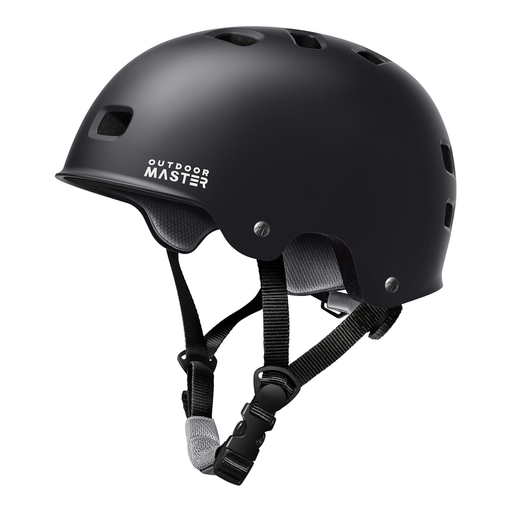
Why This Fits Their Persona: A multi-sport option for newcomers who cycle, skate or use a scooter and want one adjustable helmet for several recreational activities.
Two removable liners and a rear adjustment dial reduce reliance on a generic size label. The model is listed for cycling, BMX, skating and skateboarding.
Reinforced ABS shell, EPS core, ventilation openings and washable removable liners.
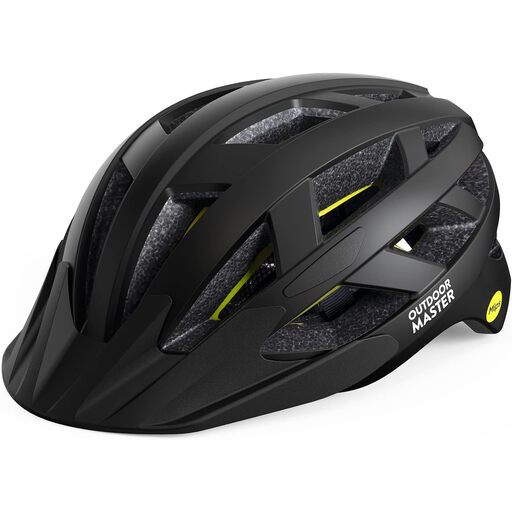
Why This Fits Their Persona: Suitable for riders comparing MIPS cycling helmets for road cycling, mountain biking, BMX or general recreational use.
The MIPS system is identified in the product details, while the dial, chin strap and two liner thicknesses allow more precise fitting.
Polycarbonate shell, EPS interior, 25 vents and removable visor.
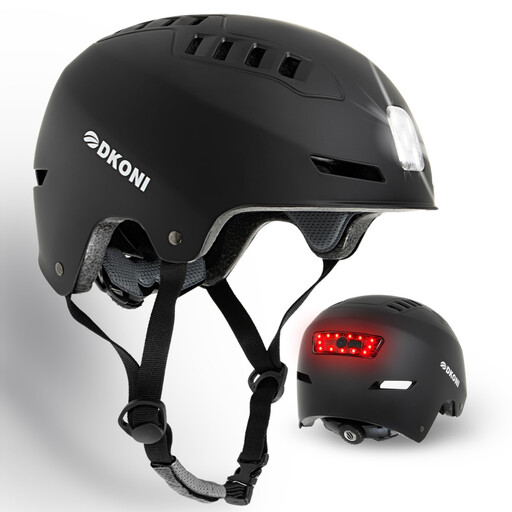
Why This Fits Their Persona: Designed around visibility for urban commuting, evening cycling and riders who want front and rear lighting in one helmet.
The light system is specified rather than implied: five white front LEDs and 13 red rear LEDs, with USB recharging and four rear modes.
20 ventilation openings, washable mesh lining and CPSC, CE and ASTM certification listed by the product.
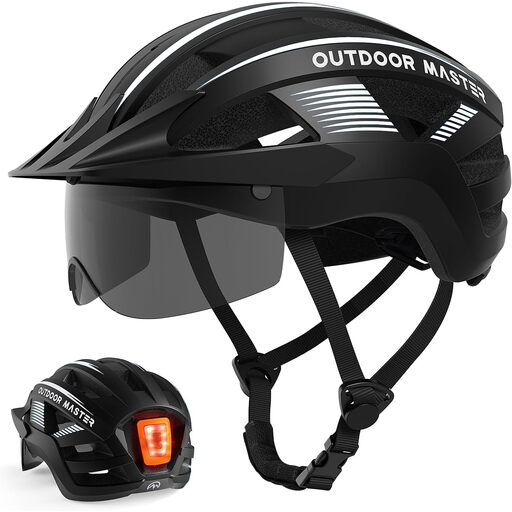
Why This Fits Their Persona: A feature-focused choice for riders switching between commuting, e-bike use, road cycling and mountain biking in variable UK weather.
The accessories are specified clearly: magnetic detachable goggles, removable visor and a Type-C rechargeable rear light with multiple modes.
PC shell, EPS liner, 17 vents and CPSC and ASTM certification listed for the model.
We have compiled a complete, real-time list of products that fully satisfy these strict selection criteria and UK safety regulations.
Before every ride, check that the shell, straps, buckle and adjustment dial are intact. Do not use a helmet after a significant crash or impact, even if no visible damage appears. Replace removable liners only with compatible parts and avoid solvents, harsh chemicals and high heat.
Wash removable padding according to the product instructions and allow it to dry fully before refitting. Store the helmet away from direct sunlight and avoid leaving it in a hot car. Rechargeable lights should be checked before evening rides, and the helmet should never be modified by drilling holes or removing structural padding.
It should sit level on the head, remain stable when you move, and have a chin strap that is secure without being painful. Measure your head circumference and use the manufacturer’s centimetre range rather than choosing solely by S, M or L.
Lifespan depends on usage, storage and impact history. Inspect the helmet regularly and follow the manufacturer’s replacement guidance. Any helmet involved in a significant impact should be replaced immediately, regardless of age or visible condition.
No. Integrated lights can improve visibility, but they should complement suitable cycle lighting, reflective clothing and safe riding practices. Check that the light is charged, visible from the required direction and appropriate for your route.