
24/7 Customer Support

Free returns

Same-day & Next-day Delivery

Quality Guaranteed

Unlock Your Welcome Offers: FREE Delivery | Up to 80% OFF | Free 30-day JoyPlus trial
Download the APP
Buying one of the many adult cycling helmets available online can seem straightforward until you compare sizing systems, safety labels, ventilation and lighting features. A helmet that feels suitable in a product photo may move during a ride, restrict airflow or lack the features you actually need for UK commuting and recreation.
The most common buying mistakes are not always obvious. Here are three pitfalls to avoid before choosing a commuter bike helmet, road model or mountain bike helmet.
Small, medium and large sizes are not consistent between manufacturers. One medium may fit a 54–58 cm head, while another starts at 55 cm or extends to 61 cm. Measure around the widest part of your head, approximately 2–3 cm above your eyebrows, then compare the result with the specific product listing.
A helmet should sit level, with the front positioned above the eyebrows. It should feel secure when you shake your head, without creating pressure points.
A bike helmet with light can help make your position more noticeable, particularly in dull weather or low-light conditions. However, a built-in LED does not replace bicycle lights, reflective clothing or safe road positioning. Check whether the light is rechargeable, how it charges and whether it can be removed for maintenance.
A rechargeable bicycle helmet may be convenient, but remember to charge it before a longer ride. Battery duration varies by mode; one product may provide several hours, while a brighter front-and-rear system may require more frequent charging.
Safety markings should be checked carefully. CPSC- and ASTM-certified helmet descriptions refer to US standards, while UK shoppers should also check the product listing and packaging for the relevant requirements for their intended use. A certification name alone does not guarantee a comfortable fit or suitability for every cycling discipline.
Do not buy a helmet with cracked foam, damaged straps or missing padding. A helmet should be replaced after a significant impact, even if the outside appears undamaged.
Many cycling helmets combine a polycarbonate or ABS outer shell with an EPS foam liner. In-mould construction bonds the shell and foam together, while other designs use a reinforced shell over a separate foam core. Compare the coverage as well as the materials: mountain bike helmets often extend further over the sides and rear of the head than lightweight road cycling helmets.
For riders who want additional information about rotational-impact technology, a MIPS cycling helmet incorporates a system designed to reduce harmful rotational forces during certain impacts. This feature should be considered alongside correct sizing, secure straps and the helmet’s stated certification.
A ventilated bike helmet is useful for longer rides, summer commuting and climbs. Count the vents, but also look at their layout and whether internal air channels are described. More openings do not automatically mean better comfort if the fit is unstable or the padding absorbs sweat without being washable.
Removable liners are practical for regular riders because they can usually be cleaned separately. Follow the manufacturer’s care instructions and avoid solvents, strong detergents and high heat.
An adjustable adult bike helmet should have a rear dial or similar fit system, adjustable side straps and a chin strap that fastens securely without rubbing. Test the fit with your usual cycling hairstyle and any glasses you regularly wear.
A cycling helmet with goggles can be useful for mountain paths, windy roads and wet conditions. Detachable goggles and visors are more flexible than fixed accessories, but check that they attach securely and do not obstruct your view. A visor can help shade the eyes, but it is not a substitute for protective eyewear.
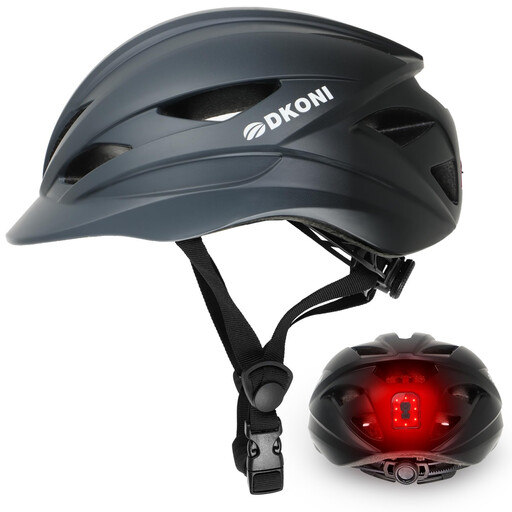
Why This Fits Their Persona: A practical option for city riders and teenagers over 14 who want a straightforward helmet for everyday journeys.
Its stated 55–58 cm medium size and removable USB rechargeable rear light make the key fit and visibility details clear before purchase.
PC shell with EPS foam, 15 vents and a rear light with two modes and approximately 3–5 hours of lighting time.
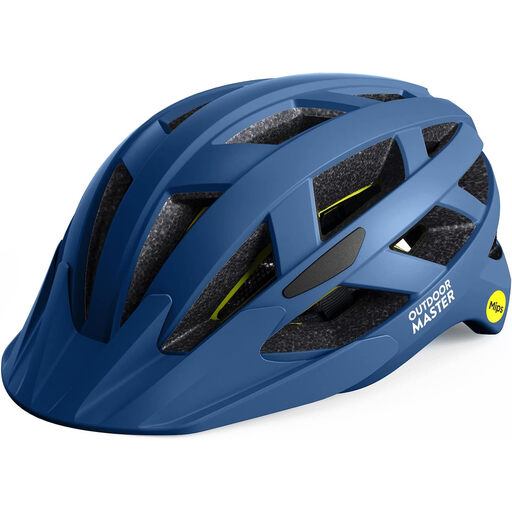
Why This Fits Their Persona: Suited to recreational riders who alternate between road cycling, mountain biking, BMX or skating and want adjustable comfort.
The MIPS system is identified in the listing, while two liner thicknesses help address the problem of relying on a one-size-fits-all interior.
PC and EPS construction, 25 vents, removable visor, rear dial and two removable liners.
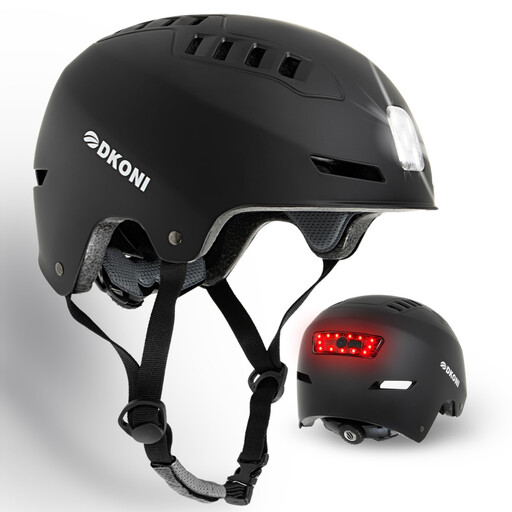
Why This Fits Their Persona: Designed for urban commuting, cycling and skateboarding where front and rear visibility is a priority.
The listing specifies the LED positions, rear lighting modes, sizing range and stated CPSC, CE and ASTM certifications instead of using only general visibility language.
Five front LEDs, 13 rear LEDs with four modes, 20 vents and removable washable inner mesh.
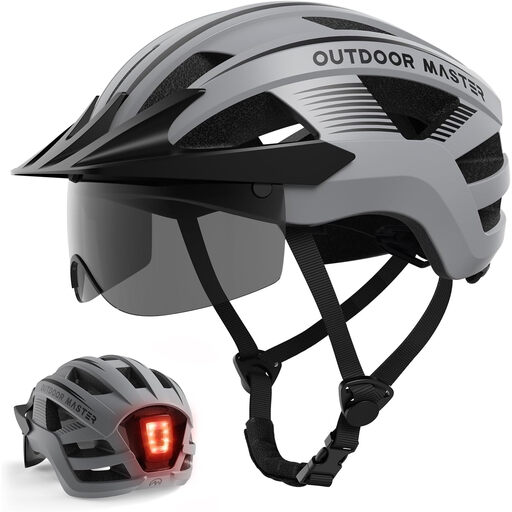
Why This Fits Their Persona: A flexible choice for riders moving between mountain trails, road cycling, e-bike journeys and city commutes in changing UK weather.
The goggles and visor are detachable, so the helmet can be adapted rather than forcing one accessory configuration for every ride.
CPSC and ASTM certification stated by the product listing, Type-C rechargeable rear light, magnetic goggles, removable visor and 17 vents.
We have compiled a complete, real-time list of products that fully satisfy these strict selection criteria and UK safety regulations.
Before each ride:
The helmet should sit level and low enough to protect the forehead, while leaving clear vision. It should not rock from side to side when the chin strap is fastened. Measure your head in centimetres and use the individual listing’s size chart rather than relying on the label alone.
Replace a helmet immediately after a substantial impact. For normal use, inspect it regularly for cracks, compressed foam, loose straps and worn padding. Some manufacturers recommend replacement after several years, so follow the care and replacement guidance supplied with your model.
Yes. USB and Type-C lights require charging, and operating time depends on the selected mode. Charge the unit before evening rides and continue using legally required bicycle lighting and reflectors where applicable.