
24/7 Customer Support

Free returns

Same-day & Next-day Delivery

Quality Guaranteed

Unlock Your Welcome Offers: FREE Delivery | Up to 80% OFF | Free 30-day JoyPlus trial
Download the APP
Buying adult cycling helmets involves more than selecting a colour and size. A helmet may look well ventilated, include an attractive rear light or mention advanced protection, yet still be unsuitable if it does not fit securely or match your type of riding.
For UK commuters, road cyclists, mountain bikers, BMX riders and e-bike users, the most useful approach is to check the specification, intended use and fit system before considering appearance. The following guide highlights common buying traps and compares suitable options for different riding profiles.
A medium from one manufacturer may not fit like a medium from another. Head shape also matters: some helmets are more oval, while others have a rounder internal profile. Measure around the widest part of your head, just above the ears and across the forehead, then compare the measurement with the product’s size chart.
A helmet should sit level, with its front edge just above the eyebrows. It should not rock noticeably when you move your head, but the retention dial and chin strap should not create pressure points.
A ventilated cycling helmet can make warm-weather riding more comfortable, but a large number of vents does not compensate for poor positioning. Check whether the vents are supported by a firm outer shell and whether the adjustment system can keep the helmet stable on uneven roads or trails.
For commuters, ventilation is helpful during stop-start journeys. For mountain biking, a removable visor can also help with low sun, mud and overhanging vegetation. These features are useful only when the helmet remains correctly positioned.
A road cycling helmet, MIPS cycling helmet or commuter bicycle helmet is designed for cycling use. It is not a replacement for an ECE motorcycle helmet. Motorcycle riders need headgear designed and certified for motorcycling, while off-road riders may also require separate eye protection such as dirt bike goggles.
Likewise, a helmet with a rear light improves visibility but does not replace front and rear bicycle lights, reflective clothing or safe road positioning.
Look for a clearly stated head circumference range, such as 54–58 cm or 58–61 cm, rather than relying on “one size fits most”. An adjustable bicycle helmet with a rear dial and adjustable chin straps makes it easier to achieve a stable fit, particularly when wearing a thin winter cap.
Some helmets include different removable liners. The OutdoorMaster MIPS Gem I, for example, includes two liner thicknesses alongside its dial adjustment system. This can help fine-tune the internal fit, but the helmet must still match your measured head circumference.
MIPS is designed to address rotational forces during certain angled impacts. It is an additional design feature, not a guarantee against injury. No helmet can protect against every impact, so correct fit and responsible riding remain essential.
For cycling, check the certification information supplied with the product and confirm that the helmet is intended for your activity. The RhinoUrban models listed below specify CPSC and ASTM certification. Motorcycle products in this guide specify ECE R22.06, a motorcycle helmet approval standard. Do not substitute one category for another.
Common materials include a polycarbonate or ABS outer shell combined with EPS foam. Practical features to compare include:
Check whether electronic features require charging and whether accessories can be removed for cleaning or replacement.
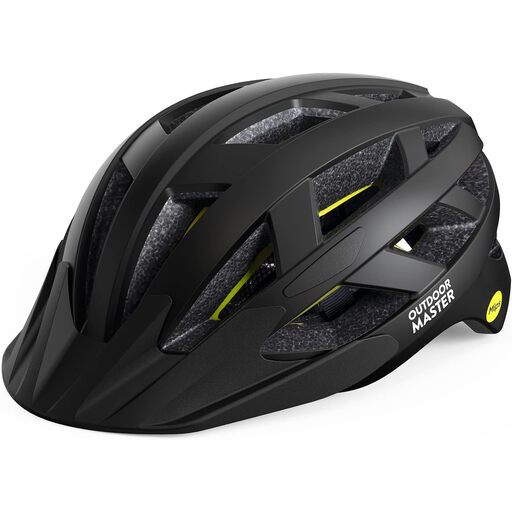
Why This Fits Their Persona: A versatile choice for adults starting road cycling, commuting, mountain biking, BMX or skating without needing separate helmets for each recreational activity.
The listing gives a defined medium size, a dial fit system and two removable liners rather than relying only on a generic size label.
MIPS system, 25 vents, removable visor and polycarbonate shell with EPS interior.
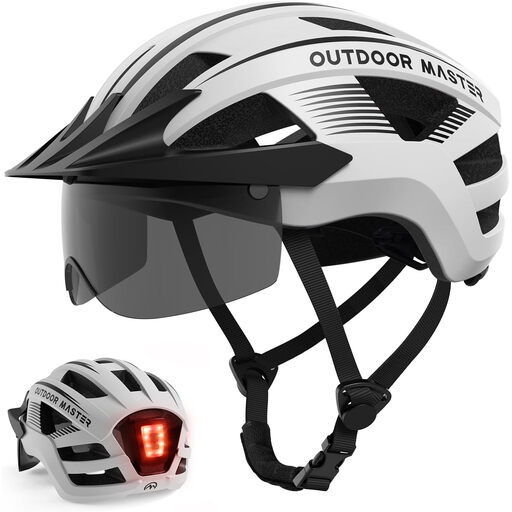
Why This Fits Their Persona: Suitable for riders who want several convenience features for city commuting, e-bike journeys, road cycling and occasional trail use.
The light is rechargeable through Type-C, while the goggles and visor are detachable instead of permanently adding bulk in every riding situation.
17 vents, adjustable dial, magnetic goggles, removable visor and multi-mode rear light; listing specifies CPSC and ASTM certification.
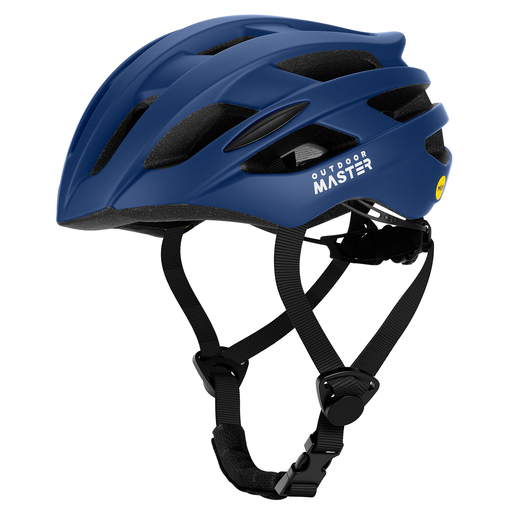
Why This Fits Their Persona: Designed around road cycling, commuting and regular recreational rides for users who prioritise a MIPS system, airflow and a simple fit adjustment.
Its intended use is stated clearly, helping buyers avoid selecting a cycling helmet for motor sports or activities outside its specification.
MIPS technology, dial-fit adjustment, lightweight ABS/PC/PP shell and ventilated design.
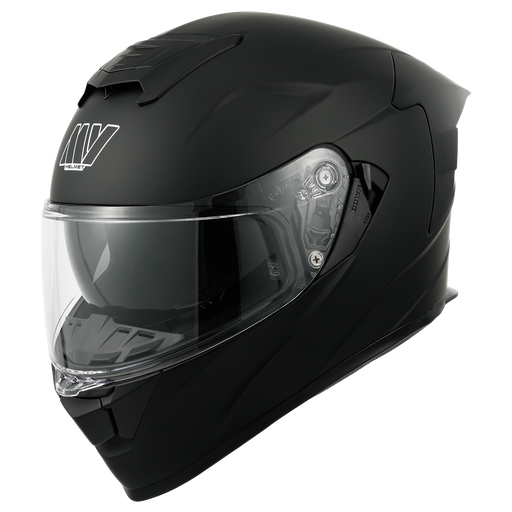
Why This Fits Their Persona: A motorcycle-specific option for daily commuting, street cruising and leisure riding where a full-face modular design and integrated sun visor are priorities.
It is identified as motorcycle headgear rather than a bicycle helmet and states ECE R22.06 approval. Confirm the marking and local requirements before riding.
ABS shell, EPS cushioning, washable inner lining, buckle closure and integrated inner sun visor.
Before every ride, check that:
Clean the shell and liners with mild soap and water. Avoid solvents, harsh chemicals and prolonged direct sunlight. A helmet should be replaced after a significant impact, even when cracks or dents are not visible. Follow the manufacturer’s replacement guidance for normal wear and inspect the shell, EPS foam, straps and buckles regularly.
For off-road riding, separate dirt bike goggles can help shield the eyes from dust and debris. The OutdoorMaster Mustang OTG goggles include an adjustable strap, ventilation, triple-layer foam and an over-the-glasses design. They are specified for off-road use, so check lighting conditions and lens condition before riding.
Measure your head circumference above the ears and across the forehead. The helmet should sit level, remain stable when you shake your head gently and have a securely fastened chin strap. Use the retention dial for fine adjustment rather than choosing a smaller size to compensate for a loose fit.
Replace a helmet after any significant impact. For normal use, follow the manufacturer’s guidance and inspect it regularly for damaged EPS foam, cracked shells, worn straps or weakened buckles. Storage in a cool, dry place away from direct sunlight can help protect the materials.
MIPS is an optional rotational-impact design feature found in some cycling helmets. It may be a consideration for commuters, road cyclists and recreational riders, but it does not replace correct sizing, secure fastening, visible clothing, lights or defensive riding. Choose a helmet that matches your route, fit requirements and intended activity.