
24/7 Customer Support

Free returns

Same-day & Next-day Delivery

Quality Guaranteed

Unlock Your Welcome Offers: FREE Delivery | Up to 80% OFF | Free 30-day JoyPlus trial
Download the APP
By Joybuy Product Recommendation Officer
Whether you cycle to work, ride an e-bike at weekends or switch between mountain biking and skating, the right helmet needs to do more than look streamlined. It should fit securely, remain comfortable in changing UK weather and include safety information that you can verify before buying.
Many product listings use phrases such as “impact protection”, “advanced ventilation” or “night visibility” without explaining what those features mean in daily use. Before choosing from the wide range of bicycle helmets for adults, check the following common pitfalls.
A medium in one range may cover a different head circumference from a medium in another. A loose helmet can move during a sudden stop, while an overly tight one may become uncomfortable on a longer commute.
Measure around the widest part of your head, approximately 2–3 cm above the eyebrows, then compare the measurement with the product’s stated range. An adjustable bicycle helmet should still be correctly sized; the rear dial is intended for fine adjustment, not compensating for a poor size choice.
Cycling helmets with lights can make your position more noticeable, but a small LED does not replace legally required or suitable bicycle lights and reflectors. Check whether the light is rechargeable, how it charges and whether it can be removed for cleaning.
A rechargeable bike helmet is convenient, but it needs regular charging. If you often leave home before dawn, consider whether the stated lighting modes and battery duration suit your routine.
CPSC and ASTM are recognised safety standards used primarily in the United States. Some product listings also mention CE. For UK use, look for clear information about the applicable standard, including BS EN 1078 where relevant to cycling, skateboarding and roller sports, as well as current UK conformity information. Do not rely solely on a generic “certified” label.
A safety marking is not a guarantee of correct fit or suitability for every activity. Follow the manufacturer’s instructions and replace a helmet after a significant impact, even if the outer shell appears undamaged.
Many adult cycling helmets use a hard polycarbonate (PC) shell combined with an expanded polystyrene (EPS) liner. In-mould construction bonds these parts during manufacture and is commonly used in lightweight cycling designs. Other options, such as a reinforced ABS shell with an EPS core, may suit users who want a more rounded multi-sport design for skating, BMX or scooters.
Material descriptions should be read alongside the stated certification and intended use. A road cycling helmet designed for recreational riding is not automatically suitable for motor sports or extreme downhill activities.
A secure helmet should sit level, with the front edge low enough to protect the forehead without obstructing vision. The side straps should meet just below each ear, and the chin strap should be snug without pressing uncomfortably.
Look for a dial, adjustable side straps and replaceable or removable liners. Double-adjustment systems can be useful when more than one person uses the helmet, although each rider must still check the fit before every ride.
A ventilated cycling helmet can be more comfortable during climbs or warmer commutes. Vent count alone does not determine airflow, but connected air channels and well-positioned openings can help reduce heat build-up.
For wet or windy rides, a bike helmet with goggles or a removable visor may be useful. These accessories can help shield the eyes from rain, wind and grit, but ensure they attach securely and do not interfere with your peripheral vision.
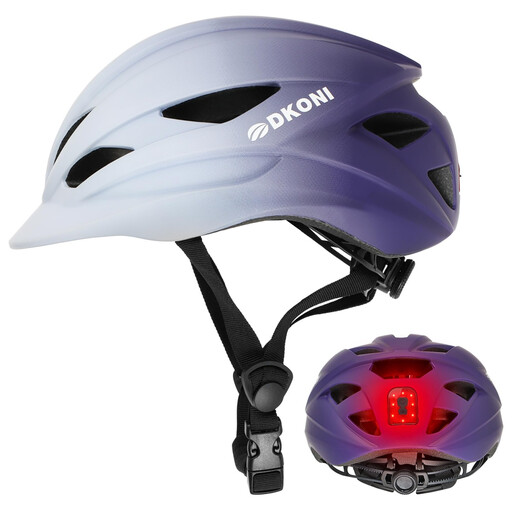
Why This Fits Their Persona: A practical option for everyday city riding and commuting, with a medium size for 55–58 cm head circumferences.
The stated size range and adjustable fit system make it easier to match the helmet to your measurement rather than relying on a generic adult label.
PC shell and EPS foam construction; removable USB rechargeable rear light with two modes; 15 vents.
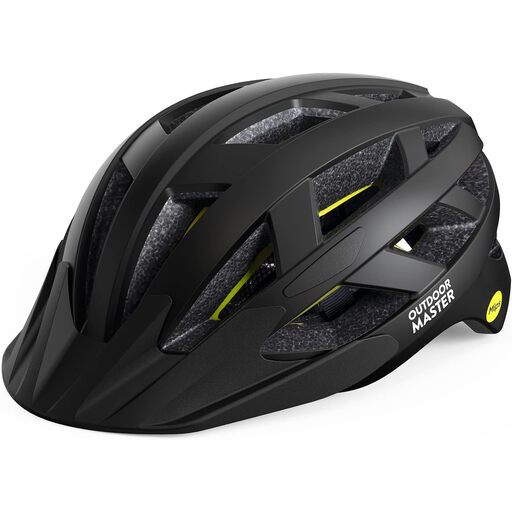
Why This Fits Their Persona: Suits riders who want a MIPS cycling helmet for varied recreational use, from road cycling to mountain biking and skating.
Its MIPS system is identified as a specific feature rather than an undefined “advanced safety” phrase; the fit can be refined with a dial and two removable liners.
PC shell and EPS interior; 25 vents; removable visor; two removable liners.
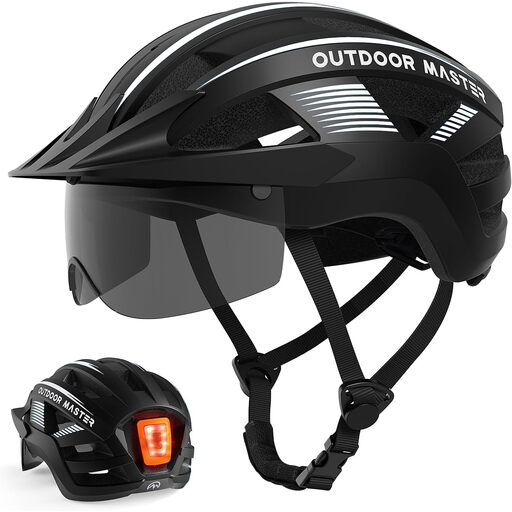
Why This Fits Their Persona: Designed for riders moving between commuting, road routes, e-bike trips and moderate mountain biking in variable weather.
The rear light is Type-C rechargeable and has multiple modes, while the goggles and visor are detachable rather than permanently fixed for every ride.
CPSC and ASTM certification stated in the listing; 17 vents; magnetic detachable goggles; adjustable dial and chin strap.
We have compiled a complete, real-time list of products that fully satisfy these strict selection criteria and UK safety regulations.
It should sit level on the head, with the front edge above the eyebrows and the side straps forming a comfortable V around the ears. The rear dial should hold the helmet securely without creating pressure points. Always use the stated head-circumference range as the starting point.
Lifespan depends on use, storage and impact history. Replace it after any significant impact, visible damage or deterioration of the shell, liner or straps. If the manufacturer gives a replacement interval, follow that guidance rather than relying on appearance alone.
Electricity use is generally modest because the light is small and USB rechargeable. The practical running cost comes from charging frequency and battery condition. Check the stated lighting duration and charge the helmet before each low-light journey rather than assuming the battery will last indefinitely.