
24/7 Customer Support

Free returns

Same-day & Next-day Delivery

Quality Guaranteed

Unlock Your Welcome Offers: FREE Delivery | Up to 80% OFF | Free 30-day JoyPlus trial
Download the APP
Choosing adult dog food can seem straightforward until you compare wet food, dry food, grain-free recipes, senior formulas and multi-pack offers. Packaging often highlights words such as “natural”, “high meat” or “sensitive”, but these descriptions do not automatically tell you whether a product suits your dog’s age, size, activity level or dietary needs.
Before buying, avoid three common traps:
Look for wording such as “complete pet food for adult dogs” or a clearly stated complete and balanced dog food designation. This indicates that the product is intended to provide the nutrients needed when fed according to its instructions.
Adult food is generally intended for mature dogs rather than puppies. Senior dog food may be more suitable for older or less active dogs, but age cut-offs vary by product. For example, some senior recipes are labelled for dogs aged seven or eight years and above.
If the label says “complementary”, treat it as an addition rather than a standalone meal. Pedigree Dry Mixer Adult Small Dog, for instance, is specifically formulated to be fed with wet food. Feeding it alone could leave the overall diet incomplete.
The guaranteed analysis provides useful comparison points:
For example, Pedigree Adult Wet Dog Food Mixed Selection in Jelly lists 77 kcal per 100g and 82.5% moisture. By comparison, Harringtons Adult Rich in Lamb & Rice lists 21% protein and 11% fat in a dry kibble format. These figures should not be compared without considering the different water content and feeding quantities.
“Natural dog food” is not a regulated guarantee of suitability, while “sensitive” does not identify the specific ingredient causing a reaction. Check the full composition for named proteins, cereals, dairy, soya and other ingredients your dog may need to avoid.
A grain-free recipe may be useful for a dog with a known dietary intolerance, but it is not automatically a hypoallergenic dog food. If your dog has recurring digestive problems, itching or a diagnosed allergy, consult a veterinary professional before changing food.
Also check the feeding guide, storage instructions and transition advice. Introduce a new recipe gradually over several days, monitor body condition and keep fresh water available.
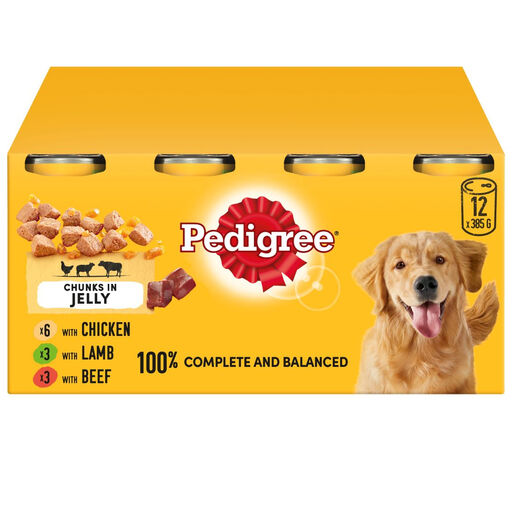
Why This Fits Their Persona: A multi-flavour case gives new owners a practical way to offer variety while buying larger portions for regular mealtimes.
It is described as complete and balanced adult wet food, so it is not presented as a mixer or treat. The feeding guide still needs to be followed.
12 x 385g cans; beef, liver, chicken and lamb varieties; 77 kcal per 100g.
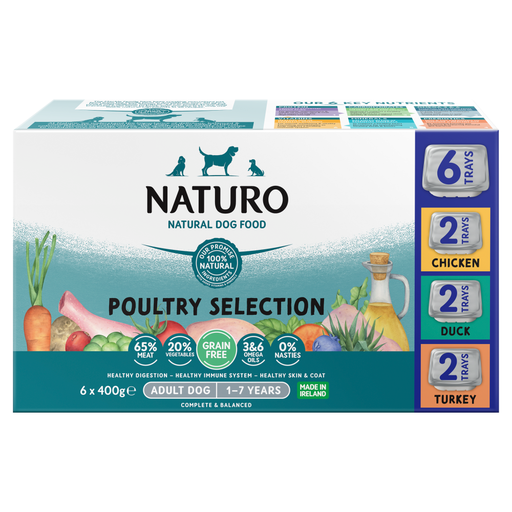
Why This Fits Their Persona: Suitable for owners seeking a grain-free wet meal with named poultry recipes and added vitamins and minerals.
The product gives a stated life-stage range and ingredient percentages, allowing a more informed comparison than relying on “natural” wording alone.
65% meat in the listed recipes; grain-free; six 400g portions.
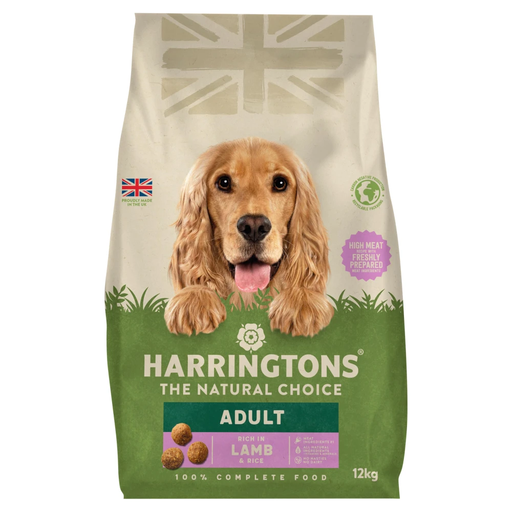
Why This Fits Their Persona: The larger dry-food bag is practical for multi-dog homes or owners who prefer a shelf-stable daily staple.
The label identifies it as complete adult food and provides protein, fat and fibre values, rather than relying only on front-of-pack claims.
12kg format; lamb and meat meals listed at 28%; 21% protein and 11% fat.
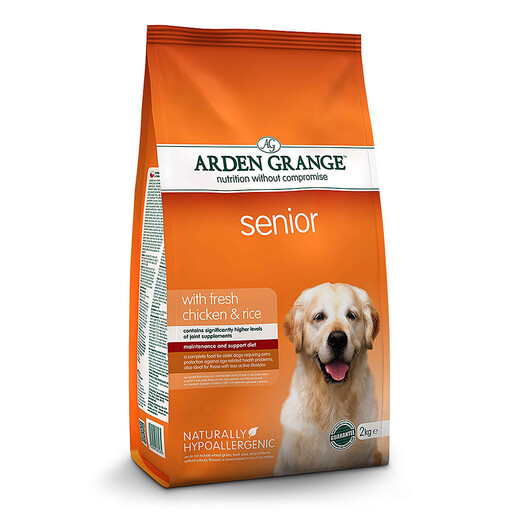
Why This Fits Their Persona: A senior-specific dry recipe for owners comparing lower-fat food with ingredients aimed at older dogs’ daily routines.
It clearly states the senior target and lists its composition, feeding guide and joint-support ingredients for closer label comparison.
2kg pack; 22% protein and 12% fat; includes glucosamine, MSM and chondroitin in the listed composition.
We have compiled a complete, real-time list of products that fully satisfy these strict selection criteria and UK safety regulations.
Dry food is often easier to store and may require smaller daily weights, while wet food provides substantially more moisture and convenient portioning. Compare the cost per recommended daily serving, not only the price per pack. Mixed feeding can combine the texture and moisture of wet food with the storage convenience of kibble.
Mix increasing amounts of the new food with the existing recipe over roughly seven days, unless your veterinary professional advises otherwise. Watch appetite, stools, weight and general tolerance. Stop and seek advice if your dog develops a concerning reaction.
Yes, but dog treats should remain a small part of daily intake. Reduce meal portions if necessary, follow the treat’s feeding guidance and avoid using a complementary snack as a replacement for complete adult dog food. Freeze-dried Waita Capelin Fish, for example, is sold as a treat or topper, not as a complete daily meal.