
24/7 Customer Support

Free returns

Same-day & Next-day Delivery

Quality Guaranteed

Unlock Your Welcome Offers: FREE Delivery | Up to 80% OFF | Free 30-day JoyPlus trial
Download the APP
Choosing adult dog food can become surprisingly complicated. Shelves are filled with recipes labelled natural, grain-free, high-protein or hypoallergenic, but these terms do not automatically mean a food is suitable for every dog. The right choice depends on your dog’s age, size, activity level, body condition and individual tolerance.
Before buying, look beyond front-of-pack marketing and check the nutritional statement, ingredient list, format and feeding guidance.
A recipe can contain natural ingredients and still be unsuitable as a sole diet if it is labelled complementary rather than complete. For everyday feeding, look for wording such as “complete pet food for adult dogs” or “complete and balanced” on the packaging.
Grain-free dog food is not automatically better, either. Some dogs may need to avoid particular ingredients, but removing grains does not by itself confirm that a recipe is hypoallergenic or nutritionally superior. Always check what replaces the grain, such as potatoes, peas or other carbohydrate sources.
Wet dog food usually contains substantially more moisture than dry dog food. For example, a wet recipe may list around 70–83% moisture, while a dry recipe may be closer to 10–15%. Comparing protein or fat figures directly without considering moisture can give a misleading impression.
Wet food can be useful for dogs that prefer a softer texture, while dry food is generally easier to store and portion. Either can work when the product is complete and fed according to the manufacturer’s guidance.
“Chicken dog food”, “lamb dog food” or “beef dog food” may contain a named meat, but the actual percentage can vary considerably. Check whether the composition lists a specific percentage and whether terms such as “meat and animal derivatives” are used.
If your dog has a suspected food intolerance, avoid switching between several proteins at once. Speak to a vet before making a significant dietary change, particularly if your dog has recurring digestive problems or requires a veterinary diet.
Adult dog food is intended for dogs that have moved beyond the puppy growth stage, but age ranges vary by product. Some recipes are suitable from one year, while others are designed for adult and senior dogs.
Check that the label identifies the food as complete, rather than complementary. Complementary products, including some toppers, mixers and treats, should not replace a complete daily diet unless combined as directed.
Feeding guides are starting points, not fixed rules. A highly active working dog may need more energy than a less active household pet of the same weight. Conversely, a dog with low activity or weight-management needs may require controlled portions.
Look at the declared fat content, calorie information where available and recommended grams per day. Some products are specifically positioned as dog food for weight management, but portion control remains important. Count treats, chews and toppers as part of the daily intake.
Lily’s Kitchen Shepherd’s Pie, for example, lists a low-fat recipe with L-carnitine and a 1kg pack size. This may appeal to owners monitoring portions, but the correct amount should still be based on body condition and feeding guidance.
For sensitive stomach dog food, look for a clearly stated recipe and avoid unnecessary ingredient rotation. A grain-free recipe may suit an individual dog, but it is not a universal requirement. Similarly, a recipe described as hypoallergenic should not be treated as a diagnosis or substitute for veterinary advice.
Consider practical details as well:
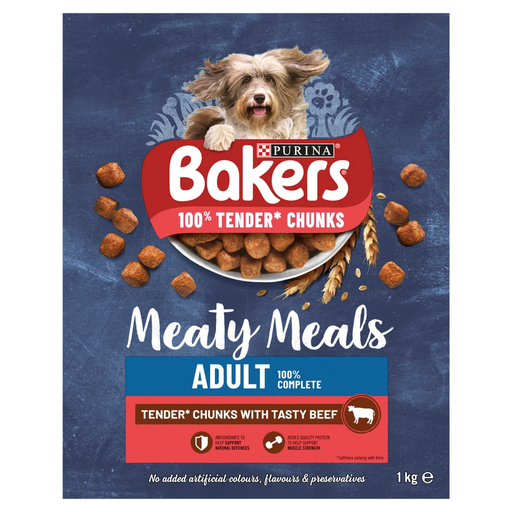
Why This Fits Their Persona: A 1kg dry format offers a manageable way to introduce adult dog food without committing to a large bag.
The product description identifies it as complete and balanced, while the composition and analytical constituents are listed for checking.
Dry format; 21% protein and 10% fat; feeding guidance covers different dog sizes.
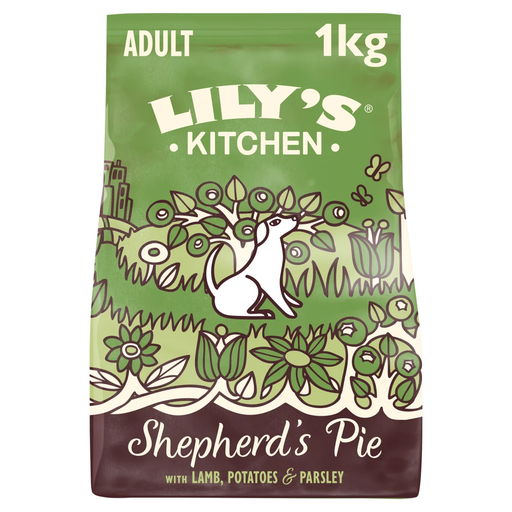
Why This Fits Their Persona: Suitable for owners seeking a grain-free lamb recipe with listed functional additions and a clearly detailed composition.
The grain-free claim is supported by a composition based on lamb, sweet potato, potato and peas, rather than being the only information available.
Lists 27% protein; includes prebiotics and a joint-care mix; 1kg pack for straightforward storage.
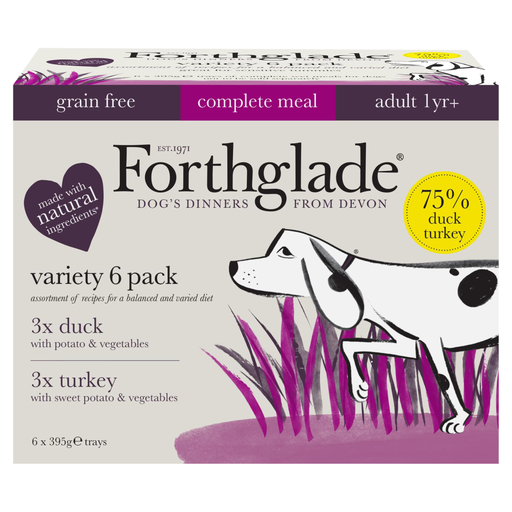
Why This Fits Their Persona: A wet variety pack gives households a practical way to offer duck and turkey recipes in individual trays.
The recipes are labelled grain-free and hypoallergenic, with duck or turkey listed at 75%; owners can still review each recipe before serving.
Six 395g trays; complete wet food; separate duck and turkey recipes for easier portioning.
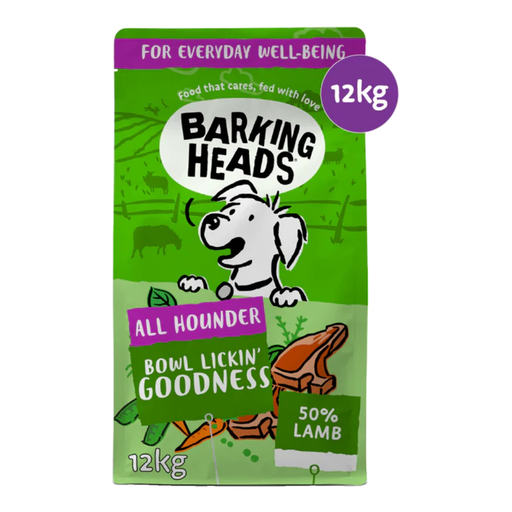
Why This Fits Their Persona: The 12kg dry format is practical for larger dogs, multi-dog homes or owners who prefer fewer repeat purchases.
The pack states adult suitability and provides a size-based feeding guide, helping owners avoid guessing portions from the bag size alone.
Lists 50% lamb ingredients; provides 24% protein and 12% fat; includes rice, oats and prebiotics.
We have compiled a complete, real-time list of products that fully satisfy these strict selection criteria and UK safety regulations.
Introduce a new food gradually over several days rather than changing meals suddenly. Serve wet food at room temperature, refrigerate unused portions according to the packaging and observe the stated use-within period after opening. Keep dry food sealed in a cool, dry place to reduce moisture exposure.
Always provide fresh water. If your dog has persistent digestive upset, an identified allergy, unusual weight change or another specific dietary requirement, consult a vet before changing the diet.
No. Grain-free dog food may suit a dog that cannot tolerate a particular grain, but it is not necessary for every adult dog. Check the complete composition and speak to a vet if you suspect an intolerance.
The answer depends on portion size, calorie density, pack price and your dog’s needs. Dry food often comes in larger bags and can be convenient for daily measuring, while wet food may involve more packaging and refrigeration after opening. Compare the cost per day rather than the price of one pack.
Begin with the manufacturer’s guide for your dog’s weight and activity level, then adjust gradually to maintain a healthy body condition. Include treats, toppers and mixed feeding in the daily total.