
24/7 Customer Support

Free returns

Same-day & Next-day Delivery

Quality Guaranteed

Unlock Your Welcome Offers: FREE Delivery | Up to 80% OFF | Free 30-day JoyPlus trial
Download the APP
Choosing adult dog food in the UK is rarely as simple as picking the bag with the most appealing front-of-pack claims. “Natural”, “grain-free”, “hypoallergenic” and “high protein” can all sound persuasive, but they do not automatically mean a recipe is suitable for your dog’s age, activity level, digestion or weight.
The practical approach is to check what the food is designed to do, what is actually listed in the composition and whether the feeding guidance fits your dog’s daily routine.
“Natural dog food” is not a complete nutritional description. A recipe can use natural ingredients yet still be unsuitable for a puppy, senior dog or dog needing weight control. Likewise, grain-free dog food is not automatically better than a recipe containing rice, wheat or other cereals. Grain-free food is most relevant when your dog has a known dietary requirement or when you are selecting a particular ingredient profile.
A label may highlight chicken, salmon or fish on the front, while the full composition gives a more detailed picture. Check whether the named ingredient is fresh meat, dried meat, meal, broth or a combination. For example, a recipe listing meat and animal derivatives may offer a different level of ingredient transparency from one specifying the proportion of chicken or salmon.
A 10kg or 12kg bag may offer practical value for a larger dog, but it can be wasteful if your dog refuses the food or develops digestive upset during the changeover. Smaller bags and 400g wet-food formats can be useful for trialling a recipe before committing to a larger pack.
Look for a statement such as “complete pet food for adult dogs” or “complete dry dog food”. A complete recipe is intended to provide the required nutrients when fed as directed. Complementary food, treats and toppers should not replace a complete daily diet.
Also check the intended life stage. Puppy dog food, adult maintenance food and senior dog food are not interchangeable by default. Puppies have different growth requirements, while older or less active dogs may need a lower-energy recipe. A working or highly active dog may require more calories than a lightly exercised companion dog.
The label normally shows protein, fat, fibre, ash and sometimes moisture. These figures help you compare products within the same format.
For example, Naturo Chicken with Potato and Vegetables lists 9% protein, 9.5% fat and 73% moisture, while Wagg Wheat Free Chicken & Rice lists 20% protein and 9% crude oils and fats. Those figures describe different product formats and should not be treated as a simple quality ranking.
If you are considering sensitive stomach dog food or hypoallergenic dog food, inspect the complete composition rather than relying only on the front label. A chicken recipe is not suitable for a dog avoiding poultry, and a fish-based recipe may not suit a dog with a known fish allergy.
For dogs needing a particular protein, options include chicken dog food, salmon dog food and fish dog food. Recipes with stated omega 3 and omega 6 sources, such as salmon oil, sunflower oil or linseed, may appeal to owners prioritising skin and coat nutrition. Dogs with a veterinary-diagnosed condition should have major dietary changes discussed with a vet.
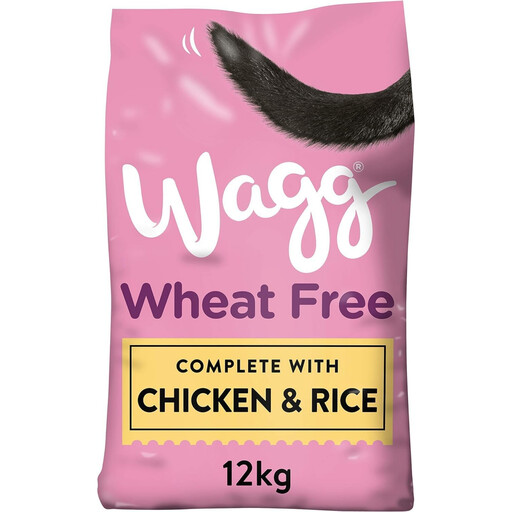
Why This Fits Their Persona: The 12kg pack is practical for households feeding a medium or large adult dog regularly, particularly when a wheat-free recipe is preferred.
The product information identifies it as complete food for adult dogs and provides a feeding guide rather than relying only on broad “natural” wording.
20% protein, 9% crude oils and fats, wheat-free composition, plus yucca and prebiotic ingredients listed in the product details.
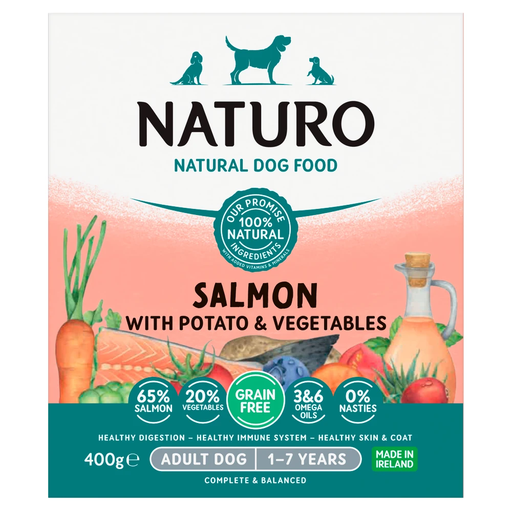
Why This Fits Their Persona: A small wet-food format suits owners who value a clearly stated salmon recipe or want to trial a grain-free meal before buying a larger dry-food pack.
The listed composition specifies salmon, vegetables, oils and added vitamins and minerals, making the ingredient profile easier to check.
Grain-free recipe with 65% salmon, 20% vegetables and stated omega 3 and 6 sources from salmon and sunflower oils.
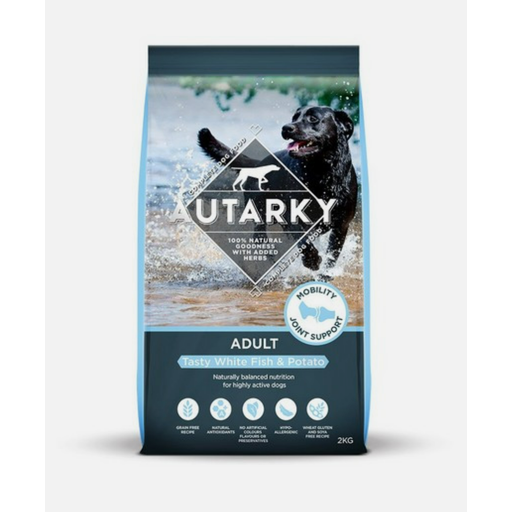
Why This Fits Their Persona: This 2kg dry recipe is aimed at adult dogs whose owners are specifically avoiding poultry or grains and want a fish-based option.
The composition names white fish, potato and fish oil, while the product is identified as complete food for adult dogs.
At least 27% crude protein, at least 13% crude fat and a grain-free fish-based composition with omega fatty acid sources.
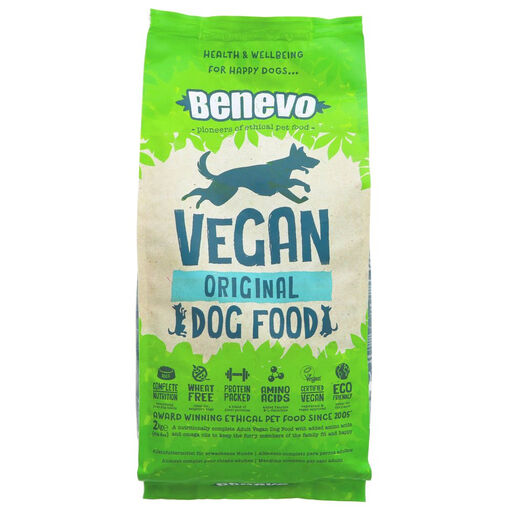
Why This Fits Their Persona: A defined option for households seeking vegan dog food without meat, wheat or dairy in the listed composition.
The product description identifies it as complete and states its plant-based ingredient base, so it is not being presented merely as a meat-free supplement.
27% plant-based protein, 12% fat and added taurine, L-carnitine and prebiotic FOS listed in the product information.
We have compiled a complete, real-time list of products that fully satisfy these strict selection criteria and UK safety regulations.
Introduce new adult dog food gradually over around five to seven days, unless your vet advises otherwise. Mix increasing amounts of the new recipe with the current food and monitor appetite, stools and general tolerance. Follow the pack’s feeding guide, then adjust for body condition, treats, exercise and seasonal changes.
Store dry food in a cool, dry place and reseal the bag after opening. Keep fresh drinking water available at all times. For dogs with persistent digestive symptoms, suspected allergies, unusual weight change or special nutritional needs, seek veterinary advice before making a significant diet change.
No. Grain-free food is one dietary option, not a universal requirement. Check the full composition and choose it for a clear household preference or known dietary reason rather than assuming the label guarantees easier digestion.
It depends on the dog’s weight, activity level and daily portion. Divide the pack size by the recommended grams per day to estimate duration. Treats and wet-food additions should be included in the overall daily intake.
Not automatically. Puppies should receive food labelled for growth or puppies, while senior or overweight dogs may need a recipe with a different energy and nutrient profile. Always check the stated life stage on the packaging before buying.