
24/7 Customer Support

Free returns

Same-day & Next-day Delivery

Quality Guaranteed

Unlock Your Welcome Offers: FREE Delivery | Up to 80% OFF | Free 30-day JoyPlus trial
Download the APP
As a dog owner, navigating the aisles of adult dry dog food can feel overwhelming. With bags boasting "natural," "holistic" and "premium" ingredients, it's difficult to know what truly benefits your companion and what is simply clever marketing. As the Joybuy Product Recommendation Officer, my role is to help you see past the hype and make an informed choice for your dog's health and your budget.
Many well-intentioned owners fall into common purchasing traps. Let's look at a few pitfalls to avoid:
grain-free dog food has been immense, leading many to believe it's inherently superior. While essential for dogs with specific grain allergies or sensitivities, most dogs digest quality grains like rice and oats perfectly well. Paying a premium for a grain-free formula may be an unnecessary expense if your dog has no such issues.Before you add a bag to your basket, focus on these core parameters to ensure you're getting what you pay for.
Ingredients are listed by weight before cooking. The most important thing is to see a specific, named protein source at the top of the list.
chicken and rice dog food or a salmon dog food with these ingredients listed first is generally a good sign.If your dog has specific health concerns, the right formula can make a significant difference.
sensitive dog food is typically formulated for easy digestion, often using a single protein source like fish or lamb and gentle carbohydrates. A true hypoallergenic dog food goes a step further by excluding common allergens such as wheat, soya, dairy and sometimes beef or chicken.natural dog food isn't strictly regulated. Instead of relying on the claim, check the ingredients for the absence of artificial colours, flavours and preservatives. Many brands use natural preservatives like tocopherols (Vitamin E) or rosemary extract.We've selected a few options from our range, matching them to the distinct needs of UK dog owners.
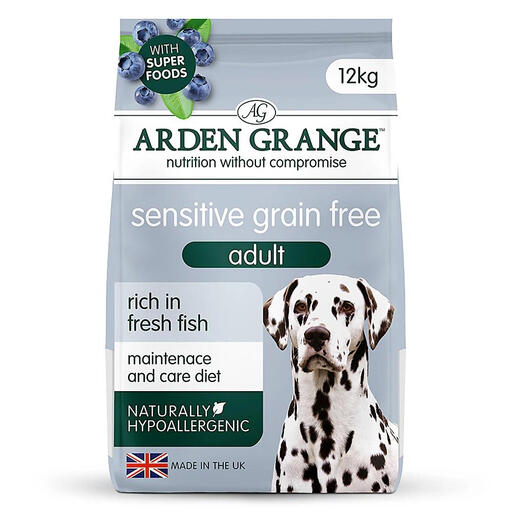
Why This Fits Their Persona: Ideal for UK dog owners dealing with common issues like itchy skin or digestive upset. The fish-based protein is a great alternative to chicken and the grain-free recipe directly addresses potential intolerances.
It avoids the "misleading meat" trap by clearly stating its protein sources: 22% fresh ocean white fish and 18% ocean white fish meal. This isn't just a grain-free fad; it's a targeted formula for genuine sensitivities.
A naturally hypoallergenic and complete food. It also contains prebiotics (FOS and MOS) and cranberry extract to support digestive and urinary tract health.
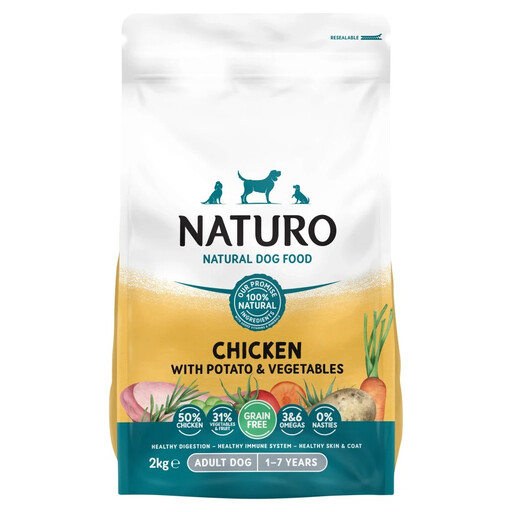
Why This Fits Their Persona: For the owner who prioritises a high meat content and a clean, natural ingredient list. They are willing to invest in a premium product for their dog's diet and appreciate transparency in the formula.
It substantiates its "natural" claim with a clear, high-quality ingredient list. With 50% chicken and no artificial additives, it delivers on the promise of a wholesome, meat-rich diet, moving beyond simple marketing buzzwords.
Features a very high protein content (30% crude protein) to support muscle health. The grain-free recipe with added prebiotics also supports healthy digestion and gut health.
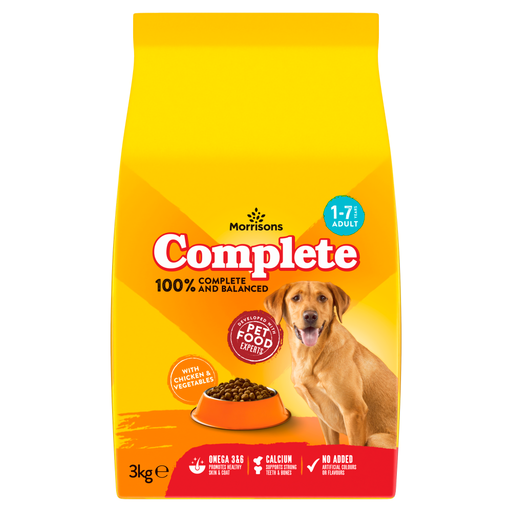
Why This Fits Their Persona: An excellent choice for owners seeking a reliable, no-fuss daily food that provides balanced nutrition without a premium price tag. It covers all the essential bases for a healthy adult dog.
This is a 100% complete and balanced food, not a complementary mixer. It's an honest, value for money option that doesn't hide behind fancy marketing, providing a solid nutritional foundation for everyday health.
Developed with pet food experts, it includes Omega 3 & 6 for skin and coat health, plus calcium for strong teeth and bones, covering key health markers at an accessible price.
We have compiled a complete, real-time list of products that fully satisfy these strict selection criteria and UK safety regulations.
To avoid digestive upset, you should transition your dog to a new food gradually. Over a period of 7 to 10 days, start by mixing a small amount of the new food with their old food. Slowly increase the proportion of the new food while decreasing the old food until you are feeding 100% of the new diet.
The correct amount depends on the food's specific calorie content and your dog's age, breed, weight and daily activity level. Always refer to the feeding guide on the product packaging as a starting point. Monitor your dog's body condition and adjust the portion size up or down as needed to maintain a healthy weight.
Not necessarily. For the vast majority of dogs, quality grains like rice, oats and barley are excellent sources of energy and nutrients. A grain-free dog food is most beneficial for dogs that have a diagnosed sensitivity or allergy to grains. If your dog is healthy and has no digestive issues, a well-formulated food containing grains is a perfectly suitable and often more affordable option.