
24/7 全天候客户支持

免费退货

当日/次日达

品质保障

开启新人专享福利: 全场免邮 | 低至 2 折 | 免费试用 30 天 JoyPlus 会员
下载 Joybuy
Buying adult incontinence products can feel confusing, particularly when packaging focuses on phrases such as “maximum protection”, “all-day freshness” or “ultra-thin comfort”. The right choice depends less on impressive wording and more on absorbency, fit, intended use and how often the product needs changing.
This guide explains the main buying pitfalls, the specifications worth checking and suitable options for light bladder weakness, heavier leaks, overnight use and caring responsibilities.
“Normal”, “extra” and “maxi” are useful range descriptions, but they are not universal measurements. One manufacturer’s “extra” product may not correspond exactly to another’s. Consider the type and frequency of leakage, whether protection is needed during movement or sleep, and the product’s shape and coverage.
A light liner may suit occasional leakage when coughing or sneezing, while heavy absorbency incontinence products or protective pants may be more appropriate for frequent or larger leaks.
A highly absorbent pad can still leak if it does not sit securely. Pads designed for women generally have a feminine contoured shape, while men’s incontinence pads often include a shaped absorbent zone for the front of the underwear. Incontinence pants may provide more surrounding coverage for people who move frequently or find adhesive pads difficult to position.
Always check the waist or clothing-size guidance where available. A product that is too tight may cause discomfort, while one that is too loose can move during walking, exercise or turning in bed.
Odour-control features can help manage smells within the product, but they do not remove the need for good hygiene. Pads and pants should be changed as needed, particularly after heavier leakage. Skin irritation, discomfort or persistent symptoms should be discussed with a healthcare professional.
Match the product to the situation:
Absorbent cores commonly use cellulose fibres and superabsorbent polymers. These materials draw liquid away from the surface and hold it inside the product, but performance still depends on correct positioning and timely changing.
A secure adhesive strip, contoured shape, elasticated sides or stretch waistband can reduce movement. Breathable outer materials may feel more comfortable during extended wear. If sensitive skin is a concern, check whether the product is fragrance-free and whether the packaging identifies it as dermatologically tested.
Do not rely on the word “cotton” alone. Check whether it refers to the outer feel, the absorbent core or the listed materials. Product packaging should provide the most current material and safety information.
For work, public transport and travel, individually wrapped products are easier to carry and dispose of privately. Dark or underwear-style designs can also reduce visibility beneath clothing. Odour-control incontinence products may be useful during longer journeys, but they should not be treated as a substitute for changing facilities.
Pads and pants must be disposed of in household waste. Do not flush them, as they can block plumbing.
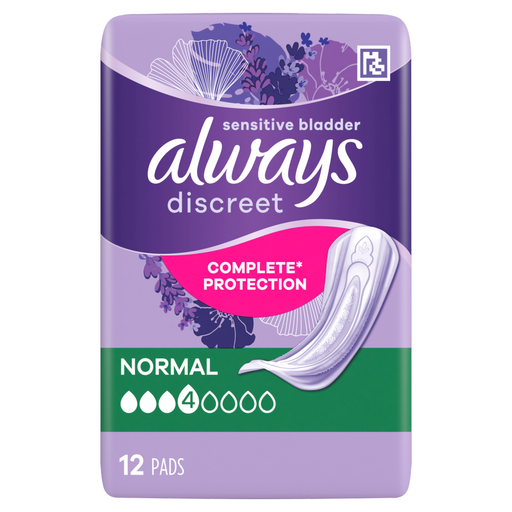
Why This Fits Their Persona: A practical starting point for women with light to moderate bladder leaks who want individually wrapped pads for daily errands, work or travel.
The normal absorbency description and intended light-to-moderate use make it easier to avoid overbuying a bulky product for smaller leaks.
RapidDry core, individually wrapped pads and an odour-control feature listed by the manufacturer.
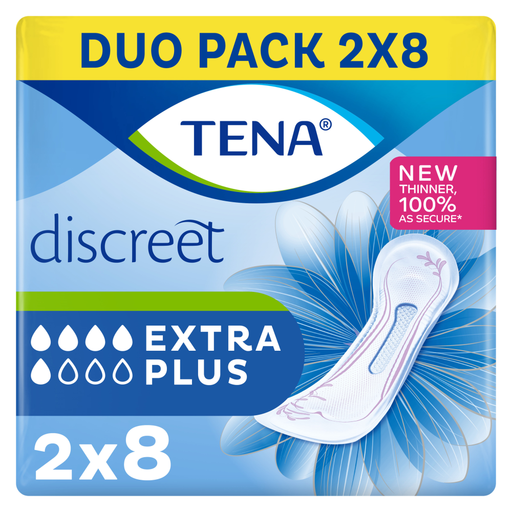
Why This Fits Their Persona: Suitable for women seeking additional coverage for medium to heavier leaks without moving directly to pull-on pants.
Its contoured shape, elasticated sides and stated extra-plus level give shoppers more useful information than a vague “all-day” promise.
The product listing identifies InstaDRY technology, odour control, fragrance-free materials and a 16-pad pack.
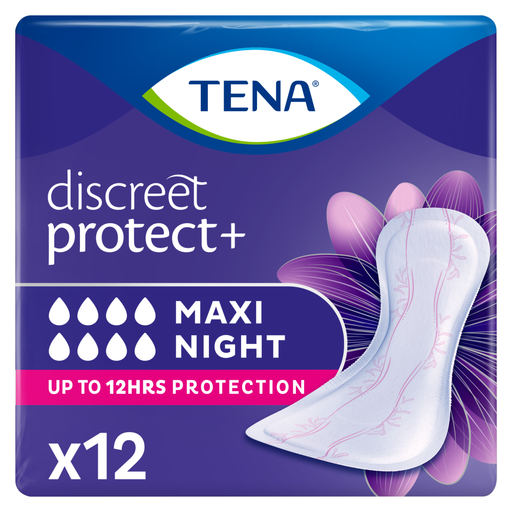
Why This Fits Their Persona: Designed for people who need broader overnight coverage for heavier or unexpected leakage while lying down.
It is specifically listed for night-time use and lie-down protection, rather than relying on a daytime pad being used overnight.
Extended night-focused design, absorbent core materials and a 12-pad duo pack.
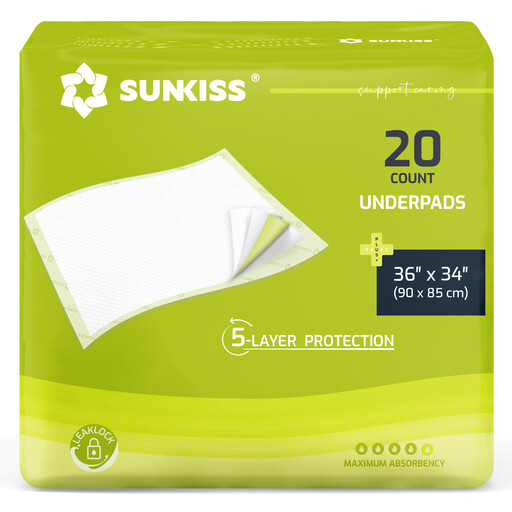
Why This Fits Their Persona: A practical option for protecting beds, sofas, chairs or car seats when supporting an adult, child or dependent person.
The stated 36 x 34 inch size and leakproof construction help carers check surface coverage before purchase.
Five-layer construction, superabsorbent polymer and a breathable top layer; designed for single use.
We have compiled a complete, real-time list of products that fully satisfy these strict selection criteria and UK safety regulations.
Place an adhesive pad centrally in clean, close-fitting underwear, with the absorbent area positioned where leakage is most likely. Pull-on pants should fit snugly around the waist and legs without restricting movement. Change products according to need and the instructions on the packaging.
Wrap used products and place them in a household waste bin. Keep unused items and packaging away from children and pets. Do not reuse disposable pads or underpads, and never flush them.
For postnatal incontinence protection, choose a product designed for urinary leakage rather than menstrual flow unless the packaging states otherwise. Anyone experiencing new, worsening or persistent bladder-control problems should seek medical advice, as the cause may be treatable.
Wear time varies according to leakage volume, activity and product capacity. Some listings describe dryness for up to 12 hours under specified conditions, but this should not be treated as a guaranteed wear period. Change the product when wet, soiled or uncomfortable and follow the packaging instructions.
Pants often cost more per item because they provide more surrounding coverage and underwear-style construction. Pads may offer a lower cost per change when leakage is light or moderate and the user can change independently. Compare pack quantity, expected changes and absorbency rather than pack price alone.
Choose night-time incontinence pads with extended coverage and a shape intended for lying down. For heavier or unpredictable leakage, protective pants may provide additional security. Correct sizing and positioning remain important, even when the product has a larger absorbent core.