
24/7 Customer Support

Free returns

Same-day & Next-day Delivery

Quality Guaranteed

Unlock Your Welcome Offers: FREE Delivery | Up to 80% OFF | Free 30-day JoyPlus trial
Download the APP
Navigating the world of cycle helmets can feel overwhelming. With advancements in safety technology and a vast array of features, choosing the right one is more than just a matter of colour or style. For the safety-conscious UK cyclist, features like the MIPS system and integrated lights are no longer niche extras but essential components for daily commutes and weekend adventures.
This guide is designed to cut through the clutter. As your Joybuy Product Recommendation Officer, my role is to provide clear, practical advice to help you find a helmet that fits your needs, whether you're riding to work, exploring country lanes, or tackling light trails. We'll look at key features to consider and highlight some excellent options available today.
Before diving into specific products, let's cover a few key considerations that will help you make an informed choice.
In the UK and Europe, all cycle helmets must meet the CE EN 1078 standard. This certification ensures the helmet has passed tests for construction, shock absorption and its retention system (straps and fasteners). You may also see helmets with CPSC certification, which is the equivalent US standard. A helmet carrying both offers peace of mind that it has met rigorous safety criteria across multiple regions.
You'll frequently see "MIPS" mentioned in descriptions for modern helmets. The MIPS (Multi-directional Impact Protection System) is a low-friction layer inside the helmet. It is designed to allow a slight sliding movement (10-15mm) of the helmet relative to the head during certain angled impacts, with the goal of helping to reduce rotational forces that can be transferred to the brain. For many riders, this additional layer of technology is a key factor when choosing a new helmet.
Our variable weather and diverse cycling environments call for versatile gear.
Here are a few helmets that combine advanced safety features with practical designs well-suited for UK cyclists.
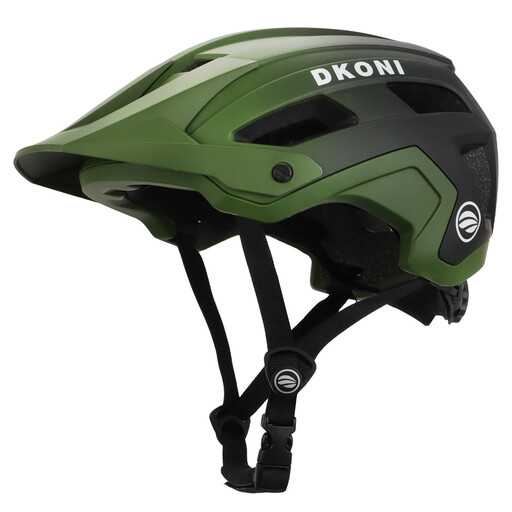
Why It Stands Out: This helmet's most noticeable feature is its large, removable visor, which provides substantial protection from the elements. It’s a practical choice for anyone who rides in all conditions, from bright sunshine to drizzly commutes. Its lightweight construction and ample ventilation add to its appeal for longer rides.
Pros:
Who is it for? This is a strong contender for mountain bikers and commuters who prioritise protection from the elements and appreciate a lightweight, well-ventilated design.
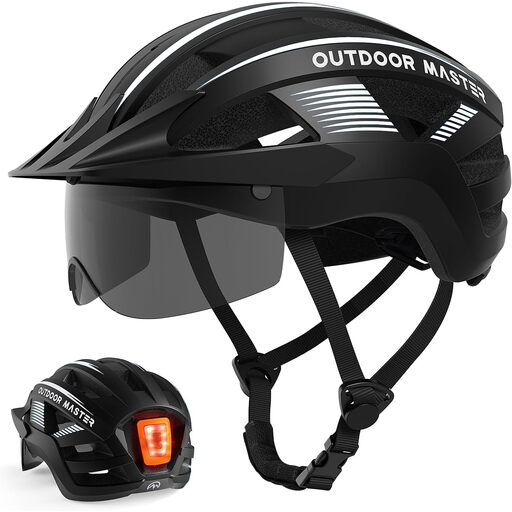
Why It Stands Out: The RhinoUrban is a feature-packed helmet designed for the modern urban cyclist. It integrates several key accessories into one package, including a Type-C rechargeable rear light and magnetic goggles, offering a convenient all-in-one solution for visibility and eye protection.
Pros:
Who is it for? Ideal for the daily commuter, urban explorer or e-bike rider who values the convenience of an integrated light and the practicality of built-in eye protection.
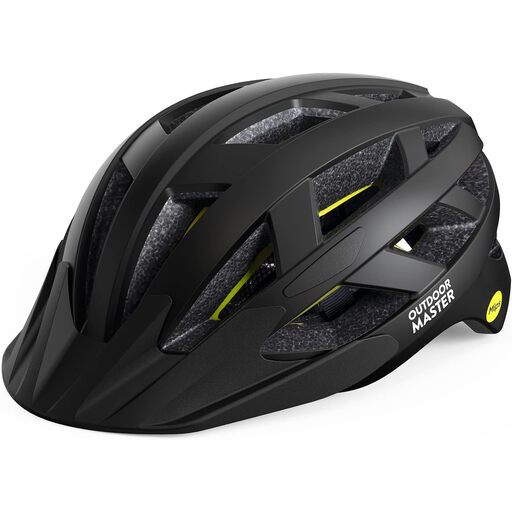
Why It Stands Out: For those who place a premium on safety technology, the Gem I's inclusion of the MIPS system is its main draw. This mountain bike helmet with MIPS is also a capable road cycling helmet, offering excellent ventilation and a highly customisable fit system, making it a versatile choice for various cycling disciplines.
Pros:
Who is it for? This helmet is aimed at the safety-conscious cyclist who participates in a range of activities and wants the additional protection offered by MIPS technology, combined with superior comfort and ventilation.
While these recommendations highlight some of the excellent features available, your perfect helmet might have a different style or colour. If you're looking for a classic aesthetic, why not explore our full range?
Explore our collection of black bike helmets to find your ideal match.
1. Is a helmet with MIPS really necessary? While all helmets sold in the UK must meet the EN 1078 safety standard, MIPS is an additional technology. It is specifically designed to address rotational forces from certain angled impacts. Many riders feel it provides an extra layer of security and choose it for that reason. The decision comes down to personal preference and the level of safety technology you feel comfortable with.
2. How often should I replace my bike helmet? It is critical to replace your helmet after any significant impact, even if there is no visible damage, as its protective integrity may be compromised. Furthermore, materials can degrade over time due to exposure to UV light and general wear. Many manufacturers recommend replacing a helmet every 3-5 years, but you should always check the specific guidance for your model.
3. Are integrated helmet lights bright enough for riding at night? Integrated rear lights are generally designed to make you more visible to others—a function known as "to-be-seen" lighting. They are excellent for this purpose in urban and suburban environments. However, if you are riding on unlit paths or country roads, it is advisable to supplement an integrated light with a powerful, handlebar-mounted front light to properly illuminate the way ahead.