
24/7 全天候客户支持

免费退货

当日/次日达

品质保障

开启新人专享福利: 全场免邮 | 低至 2 折 | 免费试用 30 天 JoyPlus 会员
下载 Joybuy
Whether you're navigating city streets on your daily commute, enjoying a weekend ride through the countryside or tackling a challenging trail, a reliable helmet is the most important piece of cycling equipment you will own. However, with an array of features like MIPS, integrated lights and various ventilation systems, finding the right adults cycling helmet can feel overwhelming.
As the Joybuy Product Recommendation Officer, my role is to help you understand the key features that matter. This guide cuts through the marketing jargon to offer practical advice, helping you select a helmet that suits your needs and enhances your safety on the road.
Before we look at specific models, let's cover a few key considerations. Understanding these will help you make a more informed choice.
You will often see the term MIPS bike helmet when shopping. MIPS stands for Multi-directional Impact Protection System. It is a low-friction layer inside the helmet designed to allow a slight sliding movement (10-15mm) in all directions during certain angled impacts. The idea behind this is to help reduce the rotational forces that can be transferred to the head. While all helmets sold in the UK must meet specific safety standards, many riders now look for this additional feature.
For anyone cycling in the UK, visibility is a year-round concern. A bike helmet with light—typically a built-in, rechargeable rear LED—can significantly improve how visible you are to other road users, especially during early mornings, evenings or on overcast days. Furthermore, good ventilation is crucial for comfort. Look for helmets with multiple air vents that create channels for airflow, keeping you cooler on warmer days or during strenuous rides.
A helmet only provides its intended protection if it fits correctly. An adjustable bike helmet is essential. Most modern helmets use a dial-fit system at the back, allowing you to fine-tune the circumference for a snug, secure feel. Adjustable chin straps are also standard. Whether you need a men's cycling helmet or a women's cycling helmet, the primary goal is a secure fit that doesn't shift or wobble. Different styles are also available, from aerodynamic road cycling helmet designs to more robust mountain bike helmet models with visors.
Here are a few recommendations that balance modern safety features, comfort and practicality for different types of UK cyclists.
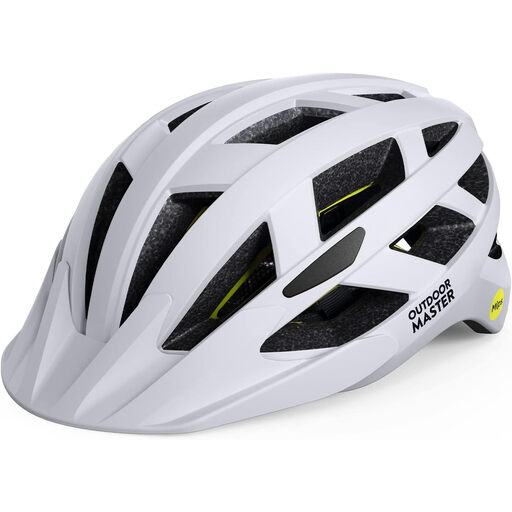
Why It Stands Out: This helmet brings the MIPS safety system to a versatile and accessible model. It combines a durable polycarbonate shell with impact-absorbing EPS foam, offering a solid foundation of protection for everyday riding.
Pros:
Who is it for? This is an excellent choice for the recreational cyclist or daily commuter helmet user who wants the added reassurance of MIPS technology without needing a highly specialised design.
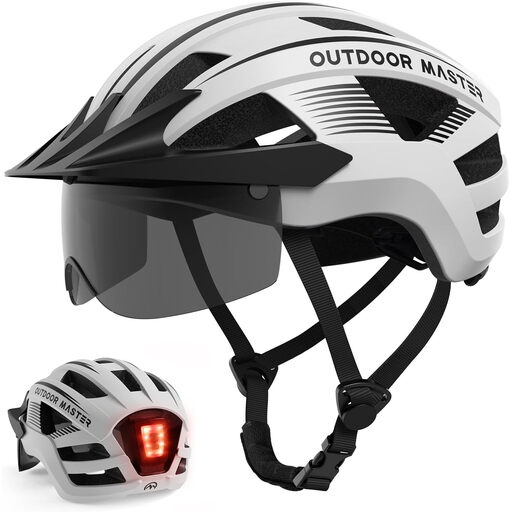
Why It Stands Out: The standout feature of the RhinoUrban is its integrated, Type-C rechargeable rear LED light. This makes it a practical solution for urban cyclists who frequently ride in low-light conditions.
Pros:
Who is it for? Ideal for the urban commuter or road cyclist who places a high premium on visibility and convenience. The all-in-one nature of the helmet, light and goggles is particularly useful.
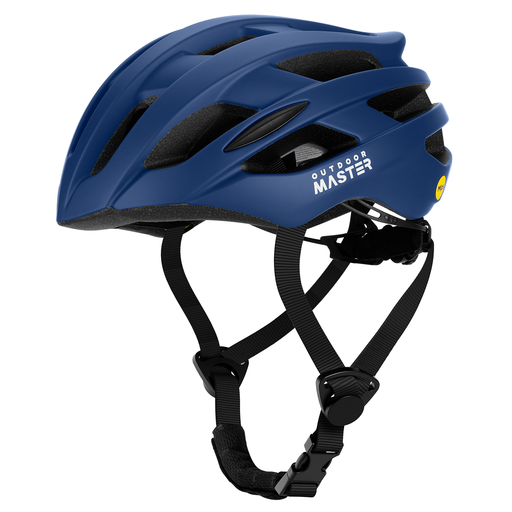
Why It Stands Out: This model is a dedicated road cycling helmet that combines MIPS technology with a lightweight, ventilated design. It is built for riders who cover longer distances and prioritise performance and comfort.
Pros:
Who is it for? This helmet is aimed at the dedicated road cyclist or long-distance commuter who needs a lightweight, well-ventilated helmet that incorporates advanced safety features.
Finding the right helmet is a personal choice. If our recommendations aren't quite what you're looking for, or if you're kitting out for a full season of cycling, you can browse our wider collection. From essential accessories to a new lightweight bike to pair with your helmet, we have options to suit every rider.
Most manufacturers recommend replacing your helmet after any significant impact, even if there is no visible damage, as its structural integrity may be compromised. Additionally, it's advisable to replace a helmet every 3-5 years, because materials like the EPS foam liner can degrade over time due to exposure to sunlight and general wear.
MIPS (Multi-directional Impact Protection System) is a safety feature designed to reduce rotational forces on the head during certain types of angled impacts. It consists of a thin, low-friction layer that allows the helmet to slide slightly relative to the head. Many safety-conscious riders consider it a worthwhile feature for the potential of added protection it offers.
A correctly fitted helmet is crucial for safety. It should sit level on your head, with the front edge about two finger-widths above your eyebrows. The side straps should form a 'V' shape just below your earlobes. Finally, the chin strap should be snug enough that you can fit no more than one or two fingers between the strap and your chin. When you open your mouth wide, you should feel the helmet pull down slightly.