
24/7 Customer Support

Free returns

Same-day & Next-day Delivery

Quality Guaranteed

Unlock Your Welcome Offers: FREE Delivery | Up to 80% OFF | Free 30-day JoyPlus trial
Download the APP
Whether you're commuting by bike, cruising on a scooter or practising tricks at the skatepark, a reliable helmet is the most important piece of gear you own. But the market for an adults multi-sport helmet is crowded with options that look the part but may fall short on safety and comfort. Many riders in the UK end up with a helmet that is ill-fitting, poorly ventilated or simply not certified for their chosen activity.
Before you make a purchase, it's crucial to understand the common pitfalls. Many people are drawn in by sleek designs or low prices, only to discover their new helmet is a poor investment. Here are the key issues to watch out for:
skateboard helmet looks great, but its design might lack the ventilation needed for a long cycle commute. Conversely, a lightweight urban bike helmet may not have the robust shell required to withstand the multiple, lower-speed impacts common in skateboarding or rollerblading.To choose a helmet that offers genuine protection and value, focus on these core parameters instead of marketing hype.
When looking for a certified skate helmet or scooter helmet UK, the most important label to find is EN 1078. This is the European standard that specifies safety requirements and testing methods for helmets intended for pedal cyclists, skateboarders and roller skaters.
A helmet carrying the EN 1078 mark has been tested for:
Never purchase a helmet for these activities without this certification clearly stated.
The outer shell and inner foam core work together to protect your head. The two most common construction types have distinct advantages:
adults cycling helmet.A good multi-sport helmet often blends these characteristics, offering a durable shell with adequate ventilation.
A secure fit is critical. A helmet should sit level on your head, with the front edge about two finger-widths above your eyebrows. To ensure this, look for an adjustable skate helmet with a modern retention system. This typically includes:
Always measure the circumference of your head with a soft tape measure before buying to ensure you select the correct size (S, M or L).
We've filtered through the options to find helmets that meet these essential criteria, matching them to different types of adult riders in the UK.
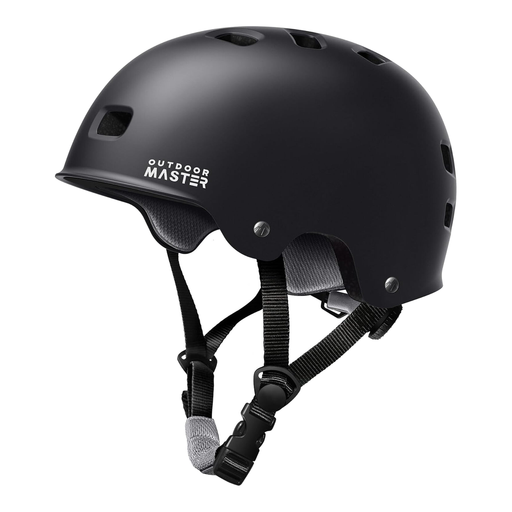
Why This Fits Their Persona: This is an ideal choice for the recreational user who enjoys skateboarding, cycling and using a scooter. Its robust build is well-suited to the varied demands of urban sports without compromising on comfort for casual rides.
It avoids the "one-size-fits-all" trap with a proper dial adjustment system and two sets of removable liners, allowing for a genuinely customised and secure fit.
Features a durable reinforced ABS shell and a shock-absorbing EPS core, providing a great balance of protection for multiple sports. The smooth ventilation system adds comfort.
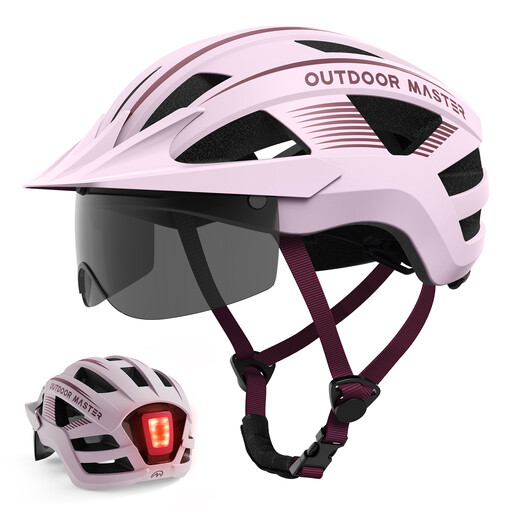
Why This Fits Their Persona: Perfect for the daily commuter in the UK, especially those using e-bikes or e-scooters. The integrated features provide practical solutions for visibility in traffic and protection from unpredictable weather.
This helmet moves beyond just basic protection by adding features that solve real-world commuting problems, avoiding the "style over substance" trap by delivering genuine utility.
It includes a Type-C rechargeable rear light for safety and magnetic detachable goggles to shield eyes from wind, rain and UV rays. It is also CPSC and ASTM certified.
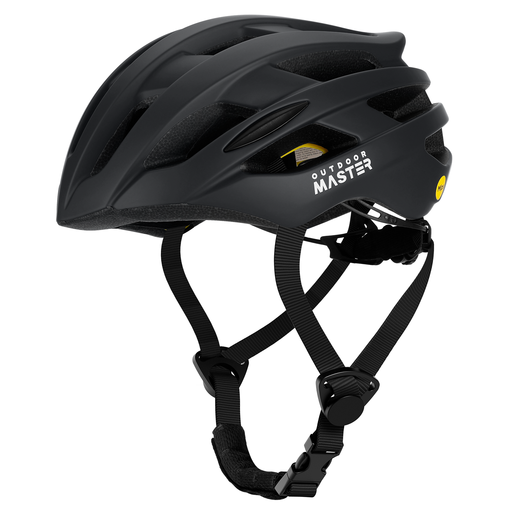
Why This Fits Their Persona: For the rider who prioritises safety above all else, this helmet incorporates MIPS technology. It's an excellent choice for the dedicated cycle commuter who wants an additional layer of protection on busy UK roads.
It focuses on advanced, verifiable safety technology rather than just aesthetics. The inclusion of MIPS demonstrates a commitment to substance and performance.
The main advantage is the MIPS (Multi-directional Impact Protection System), which is designed to add protection against rotational motion transferred to the brain from angled impacts.
We have compiled a complete, real-time list of products that fully satisfy these strict selection criteria and UK safety regulations.
The standard recommendation is to replace your helmet immediately after any significant crash or impact, even if you cannot see any visible damage. The internal EPS foam structure can be compromised, reducing its ability to protect you in the future. For general use, most manufacturers suggest replacing a helmet every 3 to 5 years, as materials can degrade over time from exposure to sunlight and sweat.
Yes, you can use a skateboard helmet for cycling as long as it is certified to the EN 1078 standard, which covers both activities. However, be aware of the design differences. Traditional skate helmets often have fewer vents than a dedicated adults cycling helmet, which could make them feel warmer on long or strenuous bike rides.
A correctly fitted helmet is essential for it to work properly. It should sit level on your head, not tilted back, and cover the top of your forehead. A good rule of thumb is to have about two finger-widths of space between your eyebrows and the helmet's rim. Once you tighten the rear dial and fasten the chin strap, the helmet should not rock forwards, backwards or side-to-side. The chin strap should be snug, with enough room to slip just one finger between the strap and your chin.