
24/7 Customer Support

Free returns

Same-day & Next-day Delivery

Quality Guaranteed

Unlock Your Welcome Offers: FREE Delivery | Up to 80% OFF | Free 30-day JoyPlus trial
Download the APP
Recreating the vibrant, soulful flavours of African and Caribbean cuisine at home can be a deeply rewarding experience. From the smoky heat of Jamaican jerk chicken to the rich, savoury depth of a West African jollof rice, the right seasonings are the key to authenticity. However, navigating the supermarket aisle can be confusing. Many products promise a taste of the islands or the continent but fall short, leaving your home-cooked meals lacking that crucial, authentic character.
As a Joybuy Product Recommendation Officer, my role is to help you see past the marketing jargon. We will look at the common pitfalls that lead to disappointing results and highlight what truly matters when selecting your spices, herbs and sauces.
Before you add anything to your basket, be aware of these frequent issues that can compromise your cooking:
To ensure you are buying products that will genuinely elevate your dishes, focus on these key factors.
The secret to a well-stocked pantry is having both individual spices and high-quality blends.
The ingredients list is your best guide to a product's quality. For a Caribbean curry powder, look for a rich mix of turmeric, coriander, cumin, fenugreek and mustard. For an oxtail seasoning, key ingredients like thyme and pimento should feature prominently. If you are after authentic West African spices, blends for dishes like Suya should clearly list ground peanuts and specific peppers. Avoid products with vague "spices" or "flavouring" high up the list.
Seasonings come in various forms, each suited to a different purpose.
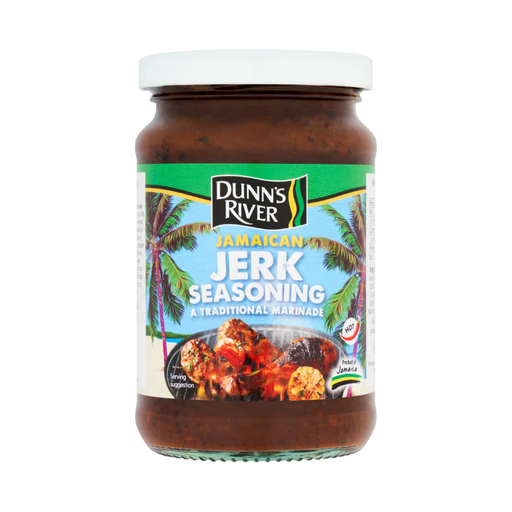
Why This Fits Their Persona: For the home cook dedicated to perfecting their jerk chicken or pork, this seasoning provides the specific, authentic flavour profile required. The 300g tub is ideal for those who cook jerk dishes regularly and need a reliable go-to blend for marinating.
This is not a generic "Caribbean" blend. It is a dedicated jerk seasoning with pimento and chilli high on the ingredients list, delivering the signature smoky and spicy notes instead of a vague, salty taste.
Provides a consistent and authentic jerk flavour base. The dry rub format is versatile for creating a flavourful crust on grilled or roasted meats.
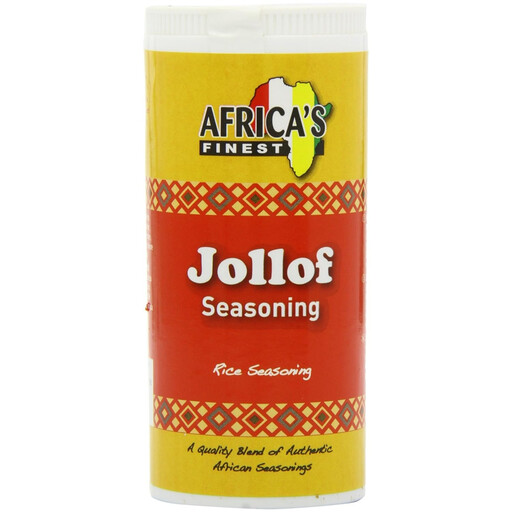
Why This Fits Their Persona: Perfect for anyone wanting to create authentic Jollof rice without the hassle of sourcing and blending numerous individual spices. This blend is specifically formulated for one of West Africa's most iconic dishes.
It sidesteps the "one-size-fits-all" trap by being hyper-specific. The ingredient list includes essentials like onion, ginger, thyme and bay leaves, providing the correct aromatic base for Jollof, not just generic spice.
Offers a convenient shortcut to an authentic-tasting dish. The blend is well-balanced, saving the user time and effort while ensuring a delicious result.
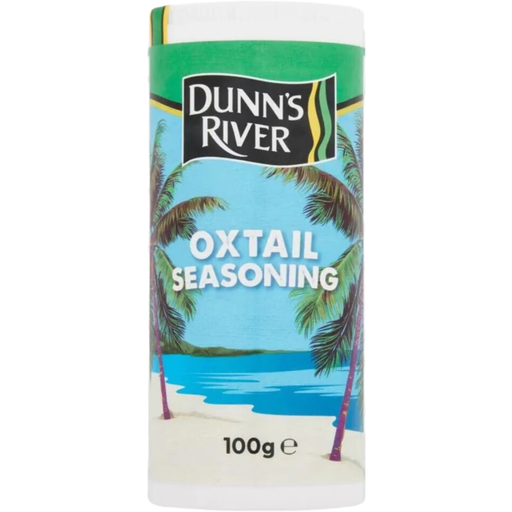
Why This Fits Their Persona: This seasoning is formulated for rich, slow-cooked stews. It's perfect for the home cook who loves making hearty, comforting dishes like oxtail or other braised meats and wants a reliable flavour base that stands up to long cooking times.
It contains the essential aromatic building blocks for a good stew, like thyme and pimento. This ensures a deep, savoury flavour develops during cooking, rather than the flat taste of a salt-heavy generic blend.
Specifically designed to season and tenderise tougher cuts of meat. The fine powder distributes evenly, ensuring every part of the dish is infused with flavour.
We have compiled a complete, real-time list of products that fully satisfy these strict selection criteria and UK safety regulations.
1. What is the difference between whole and ground pimento (allspice)? Whole pimento berries are ideal for infusing flavour into liquids, such as stews, soups and pickling brines. You can add them at the start of cooking and remove them before serving. Ground pimento has a more intense, immediate flavour and is better suited for dry rubs, marinades and baked goods where you want the spice fully incorporated. For the freshest flavour, you can buy whole berries and grind them yourself as needed.
2. How long do African and Caribbean seasonings last once opened? For ground spices and dried herbs, their potency diminishes over time. Once opened, it is advisable to store them in a cool, dark, dry place in an airtight container. While they may not "spoil" in the traditional sense, they will lose their aromatic oils and flavour. A good rule of thumb is to try and use them within 6-12 months. If a spice no longer has a strong aroma when you open the container, it is time to replace it.
3. Are all Jamaican jerk seasonings extremely hot? Not at all. While traditional jerk is known for its fiery kick from Scotch Bonnet peppers, many brands offer different heat levels. You can find "mild" versions that provide all the aromatic, smoky flavour of jerk with just a gentle warmth. This makes the flavour accessible to everyone, including families with children or those with a lower tolerance for heat. Always check the label for an indication of the heat level.