For an occasional after-school cola at home, choose an explicitly caffeine-free variant if avoiding caffeine matters: Coca-Cola Zero Sugar Caffeine Free and Pepsi Max No Caffeine both list 0g sugars per 100ml. Standard zero-sugar colas suit households that accept caffeine, while an own-label diet cola calls for a closer look at its exact sugar and caffeine information. For children’s usual drinks, Wirral Community Health and Care NHS Foundation Trust advises water or milk rather than making fizzy drinks the default.
Who is choosing the drink?
Parents choosing an occasional fizzy drink
For households considering a cola with less sugar for an after-school snack, without replacing children’s usual water or milk. Wirral Community Health and Care NHS Foundation Trust advises that most drinks for children should be water or milk.
Families avoiding caffeine after school
For shoppers who need to distinguish a named caffeine-free cola from a standard zero-sugar version. Coca-Cola GB and Pepsi UK list separate caffeine-free variants alongside their standard products.
Households buying a bottle to share
For shoppers considering a 2-litre own-label diet cola and checking whether its nutrition and ingredient panels fit the household’s sugar and caffeine preferences.
What should you check before choosing?
Start with the exact variant’s sugar figure and caffeine information, then choose a pack format that fits how occasionally the household plans to serve it.
| Priority |
What to check |
Your needs |
| Sugars |
Read sugars per 100ml on the exact pack. Coca-Cola GB and Pepsi UK list 0g for their named Zero Sugar and Max products; Asda lists less than 0.5g for Asda Diet Cola. |
I want to compare the nutrition figures, rather than assume that every drink labelled diet, zero or no added sugar has the same sugar content. |
| Caffeine |
Look for an explicit caffeine-free designation and check the ingredients. Standard Coca-Cola Zero Sugar and Pepsi Max list caffeine; their named caffeine-free alternatives are separate variants. |
If we avoid caffeine after school, a zero-sugar label alone will not answer that question for me. |
| Usual drinks |
Consider how often the drink will be served. Wirral Community Health and Care NHS Foundation Trust advises that most children’s drinks should be water or milk and notes that fizzy drinks may contain acids harmful to teeth. |
I’m choosing something for an occasional snack, not a replacement for the drinks we usually serve. |
| Pack format |
Check the bottle size or number and size of cans, and read the label on the variant you buy. A shared bottle and individual cans suit different serving plans. |
For occasional use, I’d choose a format that matches how many people will share it. |
Common buying mistakes
-
Assuming zero sugar also means caffeine-free
Standard Coca-Cola Zero Sugar and Pepsi Max list caffeine, so either could conflict with a household’s plan to avoid it after school.
Choose a variant explicitly marked caffeine-free or no caffeine, and check the ingredients on the exact pack.
-
Making sugar-free fizzy drinks the routine choice
Wirral Community Health and Care NHS Foundation Trust advises that most children’s drinks should be water or milk; it also notes that fizzy drinks may contain acids harmful to teeth.
Keep water or milk as the usual after-school drink and treat cola as an occasional option.
-
Assuming a product listing will always match the pack
Retailers including Asda advise that food ingredients and nutrition information can change. That matters when a household is checking caffeine, sweeteners or other ingredients.
Read the physical pack label before serving, particularly if an ingredient detail affects your choice.
Brand and retailer references
These product-line details help distinguish variants; a retailer’s listing of a drink does not establish that all of its colas have the same ingredients.
Coca-Cola
Coca-Cola GB lists standard and caffeine-free Zero Sugar variants.
- Both named Zero Sugar variants list 0g sugars per 100ml.
- Standard Coca-Cola Zero Sugar lists caffeine. Its ingredient information also states that it contains a source of phenylalanine.
Pepsi
Pepsi UK distinguishes Pepsi Max from Pepsi Max No Caffeine.
- Both named variants list 0g sugars per 100ml; Pepsi Max No Caffeine is designated caffeine-free.
- Standard Pepsi Max lists caffeine and sweeteners, so its no-sugar description does not make it a caffeine-free choice.
Tesco
Tesco describes its 2-litre Diet Cola as a no-added-sugar cola with caffeine and sweeteners.
- The 2-litre bottle is a format to consider when a household plans to share the drink.
- This named product is not a caffeine-free choice.
Asda
Asda’s 2-litre Diet Cola has its own nutrition and ingredient information, which should be checked rather than equated with a branded zero-sugar variant.
- Asda lists sugars at less than 0.5g per 100ml for this product.
- Its listed ingredients include caffeine and sweeteners.
Sainsbury's
Sainsbury's lists Sainsbury's Cola Zero and branded cola alternatives, including Pepsi Max No Caffeine, in its grocery results.
- The named listings offer different variants to compare.
- Check the current nutrition and ingredient label of Sainsbury's Cola Zero before assuming it matches another zero-sugar cola.
Joybuy cola options
These canned multipacks include caffeine-free and standard cola variants for an occasional after-school drink at home. Check the exact pack when sugar or ingredient details determine your choice.
 No image available
Diet Coke No Caffeine, 24 × 330ml
A caffeine-free-labelled option for an occasional cola. The multipack contains 24 × 330ml cans; check the pack’s sugar and ingredient information before serving.
View on Joybuy
 No image available
Pepsi Max Caffeine Free, 24 × 330ml
A caffeine-free-labelled Pepsi Max multipack for occasional servings. It contains 24 × 330ml cans; confirm the nutrition and ingredient details on the exact pack.
View on Joybuy
 No image available
Pepsi Max, 24 × 330ml
Consider this standard variant when avoiding caffeine is not the aim. The multipack contains 24 × 330ml cans; Pepsi UK lists caffeine in Pepsi Max, so check the exact pack before serving.
View on Joybuy
 No image available
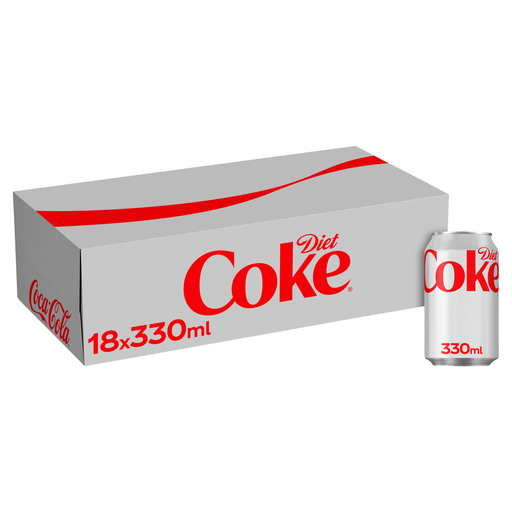
Diet Coke, 18 × 330ml
An 18 × 330ml-can format for occasional servings. If avoiding caffeine matters, choose an explicitly caffeine-free variant instead and check this pack’s ingredients and sugar figure.
View on Joybuy
 No image available
Coca-Cola Zero Sugar, 24 × 330ml
For an occasional cola when caffeine is acceptable. The Joybuy product information for this 24 × 330ml pack lists 0g sugars per 100ml, caffeine and sweeteners; check the physical pack before serving.
View on Joybuy
Questions about after-school cola
Should zero-sugar cola be a child’s everyday after-school drink?
Water or milk should remain the usual choice. Wirral Community Health and Care NHS Foundation Trust advises that most children’s drinks should be water or milk and notes that fizzy drinks may contain acids harmful to teeth, even when sugar-free.
How can I choose a no-sugar cola without caffeine?
Look for an explicitly caffeine-free or no-caffeine variant and check its ingredients. Coca-Cola GB presents Coca-Cola Zero Sugar Caffeine Free as caffeine-free, while Pepsi UK does the same for Pepsi Max No Caffeine; their standard Zero Sugar and Max products list caffeine.
Do diet and zero-sugar colas all list the same amount of sugar?
No. The exact nutrition panel matters: Coca-Cola GB lists 0g sugars per 100ml for Coca-Cola Zero Sugar and Pepsi UK lists 0g for Pepsi Max, whereas Asda lists less than 0.5g per 100ml for Asda Diet Cola. Check the variant and pack you intend to serve.


