Parents packing one portion per child
A Digestive-only sachet suits a child who needs an unopened, consistent serving at collection time. Nisbets lists McVitie’s portion packs containing two Digestives per sachet.


Choose individually wrapped, Digestive-only portions when each child needs an unopened pack containing the same biscuits. An assorted mini-pack case works only if other biscuit varieties are acceptable; for snacks served at home, an ordinary Digestive pack may be sufficient. Before taking biscuits onto school premises, check the exact pack’s allergen label and the school’s snack policy.
A Digestive-only sachet suits a child who needs an unopened, consistent serving at collection time. Nisbets lists McVitie’s portion packs containing two Digestives per sachet.
Assorted mini packs can provide ready-portioned biscuits when the group welcomes variety. Nisbets lists Crawford’s packs with three biscuits each, but Digestives are only one of the varieties in the assortment.
When factory-sealed portions are unnecessary, biscuits can be taken from an ordinary household pack and served at home. Tesco and M&S list conventional Digestive packs; their pack listings should not be read as confirmation of individual portions.
Decide whether every serving must contain Digestives, then check the wrapping and biscuit count. A school or club snack also needs a separate allergen and policy check.
Choose when: Every child needs the same biscuits in an unopened sachet; Nisbets lists McVitie’s packs of 24 sachets with two Digestives in each.
Consider: A catering-sized case may be more than an occasional snack at home calls for.
Choose when: Variety is acceptable and many ready-portioned packs are useful; Nisbets lists Crawford’s assorted case as 100 packs of three biscuits.
Consider: Digestives are included in the assortment, not guaranteed in every pack.
Choose when: The snack will be served at home, or you can portion it yourself without needing a factory-sealed serving.
Consider: A conventional outer pack does not establish that each child’s portion is individually wrapped.
| Priority | What to check | Your needs |
|---|---|---|
| Individual portions | Look for an explicit statement that the portions are individually wrapped. Check the number of biscuits in each sachet rather than relying on “twin pack”. | I want each child’s serving to stay unopened until snack time. |
| Biscuit variety | Check whether every portion contains Digestives or the case is assorted. For an assortment, check the varieties before allocating packs. | Does every child need a Digestive, or would another biscuit variety be acceptable? |
| Allergens | Read the current label of the exact product. McVitie’s lists cereals containing gluten for Original Digestives; the Crawford’s assorted-pack supplier identifies gluten. | I need to know whether the biscuits are suitable for the children who may receive them. |
| School setting | Ask the school or club about its current allergy and snack rules before sending or distributing biscuits on its premises. | A snack that works at home may need a different check before it goes into a school bag. |
The phrase alone does not confirm a separate sealed serving for each child.
Check for explicit individual-wrapping wording and a biscuit count per sachet. Nisbets specifies two Digestives per sachet for its McVitie’s portion-pack listing.
Crawford’s assorted case includes several biscuit varieties, so an individual pack need not contain Digestives.
Choose an assortment only if those other varieties are acceptable; use a Digestive-only format when the biscuit type must be consistent.
If only Digestives will be used, other varieties in the case may be left over.
A suitable portion format does not settle whether biscuits may be brought onto or shared on a particular school site.
Check the school or club’s current allergy and snack rules, and read the label on the exact pack you intend to send.
GOV.UK’s Department of Health and Social Care guidance describes HFSS promotion and placement restrictions for certain foods in shops and their online equivalents. Those retail rules do not themselves decide a school’s snack policy.
Ask the school about its own arrangements rather than using a retail-promotion rule as the answer to a school-food question.
Nisbets lists a McVitie’s Digestive-only format with 24 individually wrapped, two-biscuit sachets. McVitie’s also sells Original Digestives in conventional pack formats.
Nisbets lists an assorted case of 100 mini packs, each containing three biscuits, with Digestives among the varieties.
Tesco lists a 400g own-brand Digestive pack as well as McVitie’s Original Digestive formats.
M&S lists plain Digestives in a 400g pack, alongside milk- and dark-chocolate Digestive varieties.
These are biscuit sticks and sandwich cookies for someone considering a different after-school snack; neither is a Digestive biscuit. Check the current pack for individual wrapping and allergens if a sealed school-bag portion is essential.
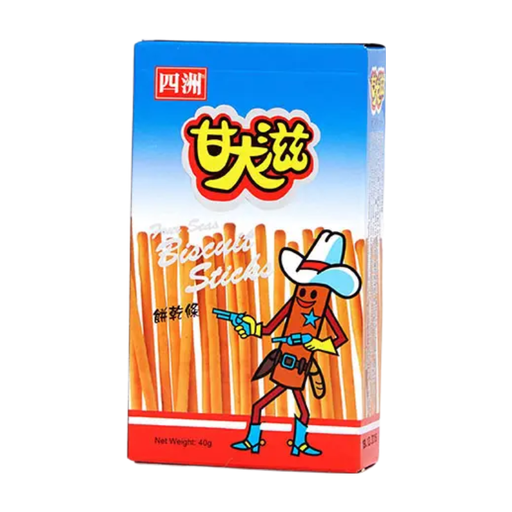 No image available
This 40g biscuit-stick pack is an alternative to Digestives, not a Digestive portion pack. If it is going to school, check the current label for wheat, soya and milk, the wrapping format, and the school’s snack policy.
 No image available
These 97g sandwich cookies are not Digestives. Before packing them for school, check the current label for wheat and soya, confirm how the cookies are wrapped, and check the school’s snack policy.
Not necessarily: “twin pack” alone does not establish child-sized sachets. Look for an explicit individual-wrapping statement and the biscuit count per sachet; Nisbets specifies two biscuits per sachet for its McVitie’s Digestives portion packs.
Do not use McVitie’s Original Digestives or the listed Crawford’s assortment for a gluten-free requirement: McVitie’s identifies cereals containing gluten, and the Crawford’s supplier identifies gluten in the assortment. Choose a product specifically labelled gluten-free and check its current pack.
The HFSS promotion and placement rules described in GOV.UK’s Department of Health and Social Care guidance concern certain foods in shops and their online equivalents; they do not themselves establish a school-snack ban. Ask the individual school or club about its food and allergy rules.
Check the physical label on the exact pack before packing it, particularly when an allergen matters. The Food Standards Agency sets out allergen-information requirements for food businesses, while product formulations and labels can change.