Parents looking for fizz
If a child asks for bubbles or fruit flavour, the choice may be between sparkling water, a juice-based drink and a fruit-flavoured soft drink. Read the drink description before assuming it has the ingredients of a smoothie.


A smoothie and a sparkling fruit drink meet different requests: choose a smoothie for a blended fruit-and-vegetable drink, not for fizz. The NHS advises limiting fruit juice and smoothies together to 150ml a day and having them at mealtimes, so a smoothie is not a free-pour drink for a separate after-school snack. If bubbles are the priority, check the ingredients, sugars per 100ml and serving size: sparkling water, juice-based drinks and fruit-flavoured soft drinks are not interchangeable.
If a child asks for bubbles or fruit flavour, the choice may be between sparkling water, a juice-based drink and a fruit-flavoured soft drink. Read the drink description before assuming it has the ingredients of a smoothie.
A bottled smoothie is a still, blended drink. For children and adults, the NHS advises no more than 150ml of fruit juice and smoothies combined each day, kept to mealtimes; a no-added-sugar claim does not remove that guidance.
Fruit flavour, no added sugar and sugar-free describe different things. Compare the ingredients and sugars per 100ml to see whether a fizzy drink contains juice, added sugar, sweeteners or a combination.
Decide whether the snack calls for a smoothie or simply a fizzy drink, then compare the label and the amount that will be served.
| Priority | What to check | Your needs |
|---|---|---|
| Drink type | Look for blended fruit or vegetables if you want a smoothie. For fizz, distinguish sparkling water, water mixed with juice and fruit-flavoured soft drinks by their descriptions and ingredients. | My child wants bubbles, but I do not want to mistake a fruit-flavoured fizzy drink for a smoothie. |
| Sugars | Compare sugars per 100ml on the same basis, then consider the amount served. Read a no-added-sugar claim alongside the nutrition panel: Waitrose & Partners lists 4.3g sugars per 100ml for Cawston Press Sparkling Cloudy Apple, which contains pressed apple juice. | I want to know how much sugar is in the drink, whether it comes from juice or added sugar. |
| Portion | Check the bottle or can size and the amount you plan to pour. The NHS advises a combined maximum of 150ml of fruit juice and smoothies a day, at mealtimes; do not automatically apply that description to every fruit-flavoured sparkling drink. | A larger pack may contain several servings, and I need to account for any juice or smoothie already consumed that day. |
| Ingredients | Check the stated juice content and whether the ingredients list sugar or sweeteners. A drink listing 0g sugars per 100ml can still contain sweeteners: Waitrose & Partners lists acesulfame K and sucralose in Volvic Touch of Lemon & Lime. | If our household avoids particular sweeteners, I need the ingredients list rather than fruit imagery or front-of-pack wording. |
A fizzy soft drink can be fruit-flavoured without being blended fruit. Tesco Groceries describes KA Sparkling Fruit Punch as a soft drink with sugar and sweeteners.
Read the product description and ingredients before deciding whether the drink meets a request for a smoothie.
Juice-based drinks can contain sugars even without added sugar. Waitrose & Partners lists 4.3g sugars per 100ml for Cawston Press Sparkling Cloudy Apple.
Check sugars per 100ml and the amount to be served alongside any front-of-pack claim.
The NHS advises no more than 150ml of fruit juice and smoothies combined each day, kept to mealtimes. A full bottle need not be a single serving.
If choosing fruit juice or a smoothie, check the portion and account for any already consumed that day.
Flavoured sparkling water may answer a request for fizz, but it is not a smoothie or a fruit-and-vegetable snack. The Volvic lemon-and-lime drink listed by Waitrose & Partners is principally carbonated spring water and contains sweeteners.
If the child needs food as well as a drink after school, choose that separately rather than counting the water as fruit.
These examples illustrate different drink formats; a brand name alone does not establish what is in a particular bottle.
A still smoothie option when a blended fruit-and-vegetable drink, rather than fizz, is wanted.
Its Sparkling Cloudy Apple is a juice-based fizzy drink, not a smoothie.
Its Touch of Lemon & Lime is a flavoured sparkling-water option for someone seeking fizz rather than juice.
Its smoothies and fizzy drinks are distinct ranges, so compare individual labels rather than treating them as one type of drink.
These are fizzy drink options for the sparkling side of the after-school choice. They are not bottled smoothies; compare each drink’s label and the amount served before deciding whether it fits the snack.
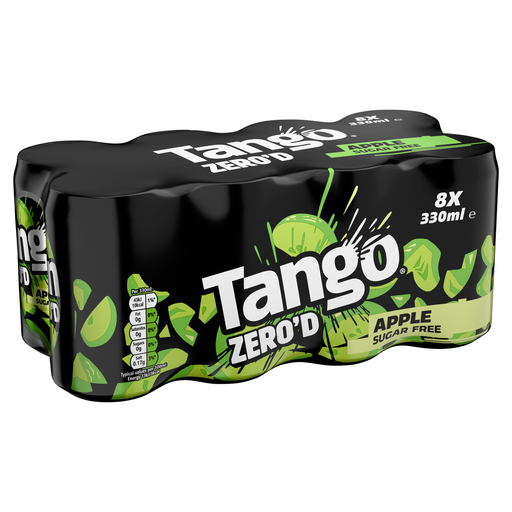 No image available
An apple-flavoured fizzy soft drink for a request for bubbles, not a smoothie or fruit-and-vegetable snack. The listing identifies sucralose and acesulfame K; check the ingredients if sweeteners matter to your household.
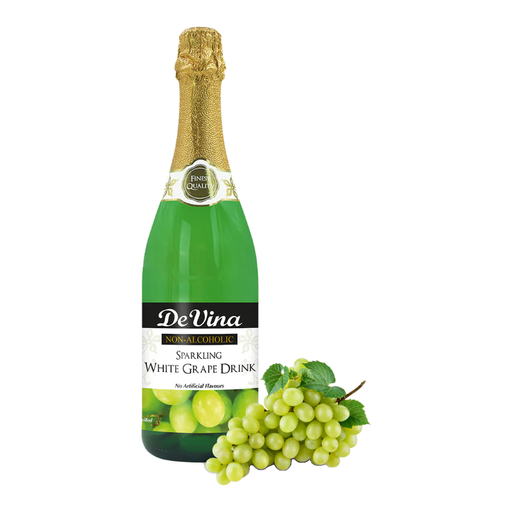 No image available
A juice-based sparkling drink rather than a smoothie. Compare the sugars per 100ml on its label with the amount poured from the 750ml bottle. The listing declares sulphites; check this if relevant to the child.
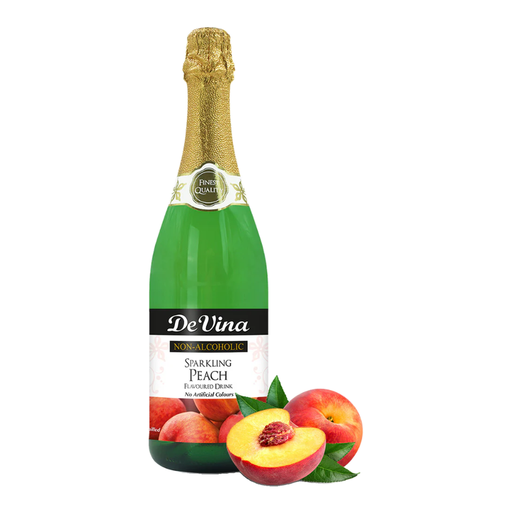 No image available
A peach-flavoured sparkling drink for someone seeking fizz, not a smoothie. Check the label’s sugars per 100ml against the portion poured from the 750ml bottle. The listing declares sulphites.
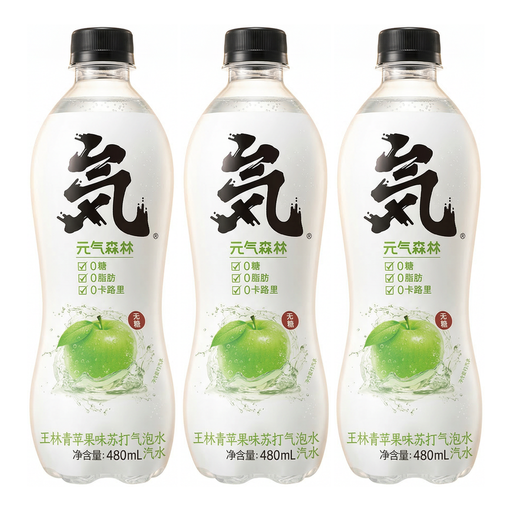 No image available
An apple-flavoured sparkling drink for a request for fizz, not a smoothie or fruit-and-vegetable snack. The listing names erythritol, sucralose and acesulfame potassium; check whether those ingredients suit your household.
 No image available
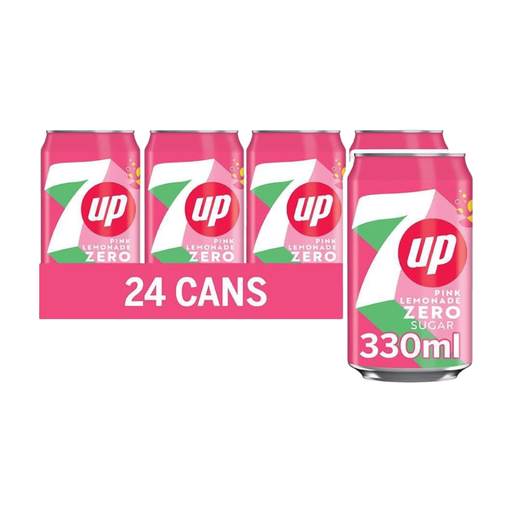
A fizzy flavoured soft drink, not a smoothie or fruit serving. The listing names aspartame, sucralose and acesulfame K, and notes a source of phenylalanine; check the ingredients where relevant.
Not as an unrestricted drink at a separate snack time. The NHS advises children and adults to have no more than 150ml of fruit juice and smoothies combined each day and to keep them to mealtimes. Check how much has already been consumed before serving a smoothie.
No. Waitrose & Partners lists 4.3g sugars per 100ml for Cawston Press Sparkling Cloudy Apple, which contains pressed apple juice. Read the sugars figure as well as the no-added-sugar claim.
No. A smoothie is a blended fruit-and-vegetable drink; fizzy options can instead be juice mixed with sparkling water, flavoured sparkling water or a fruit-flavoured soft drink. Check the product description and ingredients rather than relying on fruit flavour or carbonation.
Start with the drink description, sugars per 100ml and ingredients. Then check the stated juice content, any sugar or sweeteners, and the amount you intend to serve; those details help distinguish a juice-based drink from flavoured water or a soft drink.