Parents packing an after-school snack
If the drink is for ordinary thirst after school or a short club session, start with water. For a sports drink, check how much sugar the child would consume from the serving alongside the snack.


For an ordinary after-school snack or short activity, choose water rather than a sports drink: NHS guidance identifies water as the way to replace lost fluids, and the British Dietetic Association says recreational runners do not need sports drinks. If prolonged, demanding activity makes a sports-drink formulation worth considering, check the drink’s sugar and serving size before choosing it. A glass bottle is a separate decision: some schools prohibit glass, so check the child’s school and club rules before packing one.
If the drink is for ordinary thirst after school or a short club session, start with water. For a sports drink, check how much sugar the child would consume from the serving alongside the snack.
For a longer, demanding session, consider the activity and the drink’s formulation separately from its bottle. If the drink travels through school, check the school’s container rules before choosing glass.
A glass bottle may be intended for drinking at home rather than carrying in a school bag. Check the drink’s label, how the bottle will be handled and the local recycling instructions.
Decide whether the activity calls for anything beyond water, then compare the drink label and the container against the journey from school to home or training.
| Priority | What to check | Your needs |
|---|---|---|
| Activity | Consider how long and demanding the activity is. For ordinary thirst, NHS guidance favours water; the British Dietetic Association says recreational runners do not need sports drinks. | I want a drink for the journey home or a short session, not an exercise-specific formulation by default. |
| Drink formulation | If considering a sports drink for prolonged activity, check its stated purpose, ingredients and preparation directions. A sachet needs water and mixing; a ready-to-drink bottle does not. | For a demanding training session, I want to know what the particular drink contains and how it will be prepared. |
| Sugar and serving | Read sugar per serving and the total pack size. Check whether the amount drunk is one serving or more; do not assume a sachet or an isotonic label tells you the sugar content. | If the drink accompanies a snack, I want to account for the sugar in the amount my child would actually drink. |
| School-bag container | Confirm the bottle material and the school or club policy. Horbury Primary Academy and Oaks Park High School provide examples of rules that prohibit glass bottles; their rules do not apply to every school. | The drink needs to travel from school to training without conflicting with the rules at those places. |
| Glass at home | Check that the drink itself suits the occasion, then consider where the bottle will be used and how it will be recycled. WRAP identifies glass packaging as a common recyclable material; follow local collection instructions. | I may prefer glass for a drink kept at home, but the bottle material does not decide whether a sports drink is needed. |
That treats an exercise-focused drink as an everyday addition to an after-school snack. NHS guidance identifies water as the way to replace lost fluids.
Choose water for ordinary thirst; consider the particular sports drink only if the activity gives you a reason to check its formulation.
Container rules vary by school. Horbury Primary Academy and Oaks Park High School each prohibit glass bottles in their published policies.
Check the child’s school and club rules before packing a drink. If glass is prohibited, choose a permitted non-glass container for the journey.
A glass-bottle purchase may be impractical for a school-to-training journey if the bottle cannot be brought onto school premises.
Changing the formulation does not, on its own, establish a need for an electrolyte drink after routine activity.
Decide whether a sports-drink formulation is relevant before comparing sugar information or choosing a sachet.
Glass packaging is commonly recyclable, but the practical collection instructions depend on the local service.
Check the council or collection provider’s guidance for the bottle you plan to dispose of.
These brand references illustrate ready-to-drink and mix-with-water formats; a brand name alone does not establish a bottle’s material or its suitability for an after-school snack.
Lucozade positions its Sport range for use during activity.
Tesco lists Powerade Golden Mango isotonic sports drink in a 4 × 500ml pack; Sainsbury’s lists a 4 × 500ml Berry & Tropical bottle pack.
Gatorade UK describes its Hydration Booster as a carbohydrate-electrolyte sachet mixed with water.
These Joybuy options cover a powder to mix with water and ready-to-drink Pocari Sweat products for comparing formats. Check the label and the activity before choosing any of them for an after-school snack; do not assume a ready-to-drink bottle is glass.
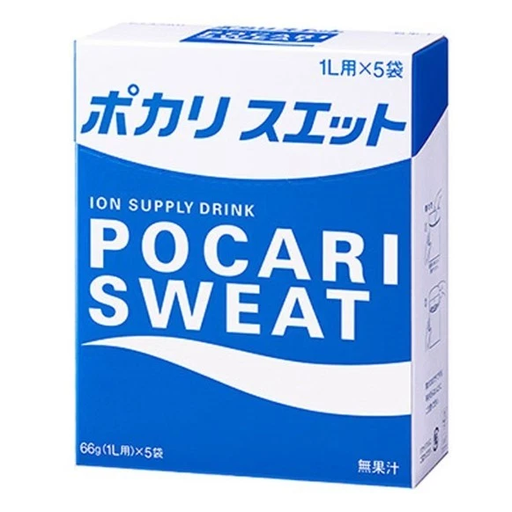 No image available
A powder option when a drink is to be mixed with water rather than carried ready to drink. Check the supplied sachet weight and mixing directions on the pack, as the product information gives conflicting weights, and read the sugar information for the prepared amount before choosing it as a snack drink.
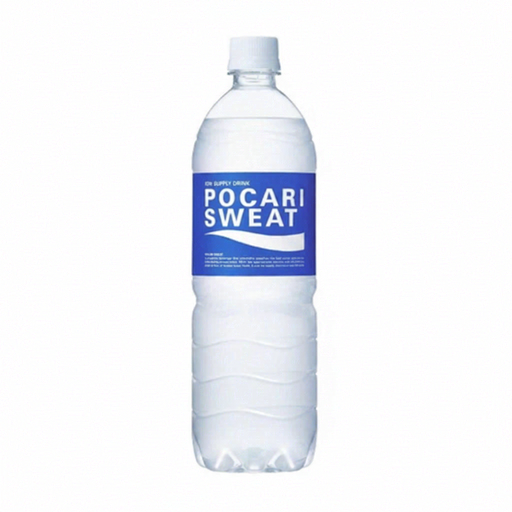 No image available
A 900ml ready-to-drink option to consider when mixing a drink is inconvenient. Check sugar for the amount to be drunk and confirm the bottle material before choosing it for glass use or a school-to-training journey.
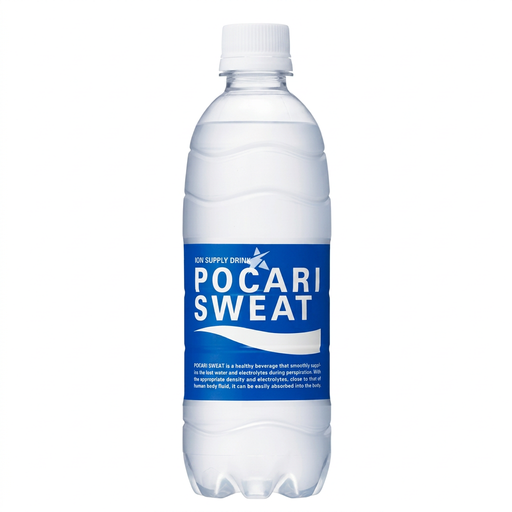 No image available
Another ready-to-drink option for comparing a prepared drink with a sachet. Read the sugar information on the individual label and check the container against any school or club rules before taking it to after-school activity.
Usually not: NHS guidance identifies water as the way to replace lost fluids, and the British Dietetic Association says recreational runners do not need sports drinks. For prolonged, demanding activity, assess the particular drink’s formulation, label and serving size rather than treating every session alike.
Check the specific school’s rules before packing one. Horbury Primary Academy and Oaks Park High School provide examples of policies prohibiting glass bottles, but those examples do not establish a rule for every school or club.
Check sugar per serving, how many servings the pack contains, ingredients and any caffeine warning. Compare those details with the amount the child would actually drink and the activity it is intended for.
A sachet lets you choose a separate, permitted non-glass bottle, which may help on a school-to-training journey. It still needs drinking water and preparation according to the pack directions; check the prepared drink’s label information too.
Glass packaging is a common recyclable material, according to WRAP. Check the current local collection instructions for the bottle rather than assuming every area uses the same recycling route.