Parents planning snack portions
If nuts are suitable for your child, decide how much to serve rather than treating a handful or a whole pack as a standard portion.


A small, measured portion makes more sense than an unrestricted handful when keeping an after-school nut snack’s calories in check. Kent Community Health NHS Foundation Trust lists 12 almonds at 80 kcal, while a larger snack pack may provide a convenient portion without meeting the same calorie aim. Check the child’s age, allergies and the setting’s nut policy before serving or packing nuts.
If nuts are suitable for your child, decide how much to serve rather than treating a handful or a whole pack as a standard portion.
A counted portion in a container or a clearly labelled individual pack can make the serving easier to manage away from home. Check the pack’s calories rather than assuming individual packs are alike.
Read the current pack label for allergens and check the school or after-school provider’s policy before bringing nut-containing food.
Start with the serving you intend to give, then check whether its format, ingredients and the setting’s rules make it suitable for that child.
| Priority | What to check | Your needs |
|---|---|---|
| Portion calories | Compare calories per 100 g and for the serving you will give. Kent Community Health NHS Foundation Trust lists 12 almonds at 80 kcal, 24 pistachios (15 g) at 90 kcal, 12 cashews at 90 kcal and seven walnut halves at 92 kcal. | I want a defined snack portion, not an open-ended handful. If I am aiming for around 100 kcal, I need to count or weigh the nuts and check the product label. |
| Pack format | Check the weight and calories of the actual pack or bar. KP Snacks says its 30 g Snack Packs are under 200 kcal; that claim does not apply to other brands’ packs. | A ready-to-pack portion would be useful after school, but I may prefer to portion nuts at home if a whole pack does not fit the serving I have in mind. |
| Age and texture | The Department for Education’s early-years choking guidance says not to give whole nuts to children under five. Check the form of the food and whether it is appropriate for the child. | For a child under five, I need an appropriate alternative to whole nuts. For an older child, I still need to consider how the snack will be eaten. |
| Allergens and setting rules | Read the physical pack’s ingredient and allergen wording, including any precautionary statement. Ask the particular school or club about its nut policy before packing food. | If my child has a relevant allergy, or the setting restricts nuts, I need a snack that follows the child’s allergy-management advice and that setting’s rules. |
The lower-calorie nut examples from Kent Community Health NHS Foundation Trust are counted portions. M&S lists its Natural Almonds at 561 kcal per 100 g, so the amount served matters.
Count or weigh the nuts into a bowl or container, and compare calories for that portion as well as per 100 g.
An individual pack sets a portion boundary, not a calorie threshold. KP Snacks describes its 30 g Snack Packs as under 200 kcal, while the NHS snack examples use smaller portions.
Read the calories for the exact pack before deciding whether to serve all of it.
The Department for Education says whole nuts should not be given to children under five.
Choose a form appropriate for the child; its early-years guidance describes chopping or flaking nuts when nuts are otherwise suitable.
Product information can change. A pack’s allergen wording and a school or club’s rules both affect whether a snack is suitable to bring.
Read the physical pack each time and check the individual setting’s current policy. The Food Standards Agency explains that precautionary allergen wording signals that an allergen could be unintentionally present.
KP’s Snack Packs illustrate the fixed-pack approach for a portable nut snack.
M&S Natural Almonds illustrate a larger-bag option for measuring a serving at home.
Tesco Mixed Nuts 250 g illustrate a larger mixed-nut bag for home portioning.
These nut-containing bars, chestnut kernels and mixed nuts offer different ways to plan an after-school portion. Check each product’s current label for serving calories and allergens; a pack’s total weight alone does not tell you the calories you will serve.
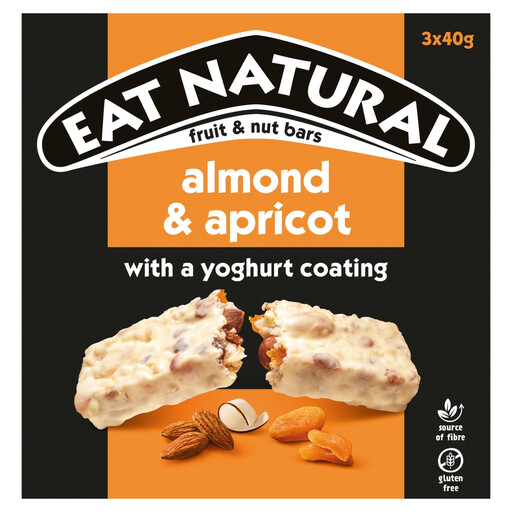 No image available
A three-pack of almond, apricot and yoghurt snack bars offers a pack-based option for an after-school snack. Check the calories for the amount served; this is not a portion of plain nuts.
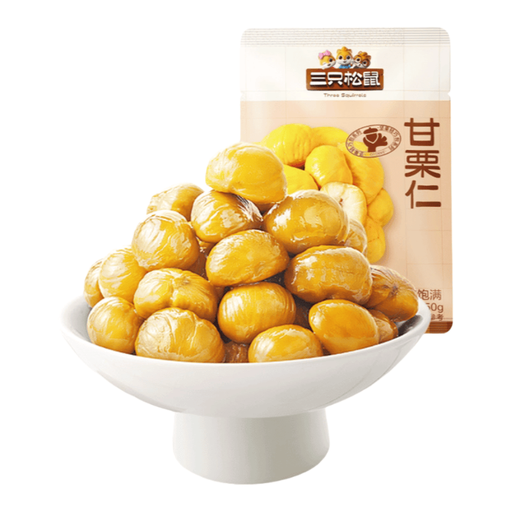 No image available
The 50 g pack gives you a defined amount of sweet chestnut kernels to consider for a packed snack. Check its calorie and allergen information, and whether the kernels’ form is appropriate for the child.
 No image available
Four 35 g peanut bars provide defined bar portions for packing. Check the nutrition label for the 35 g bar itself before comparing its calories with a measured portion of nuts.
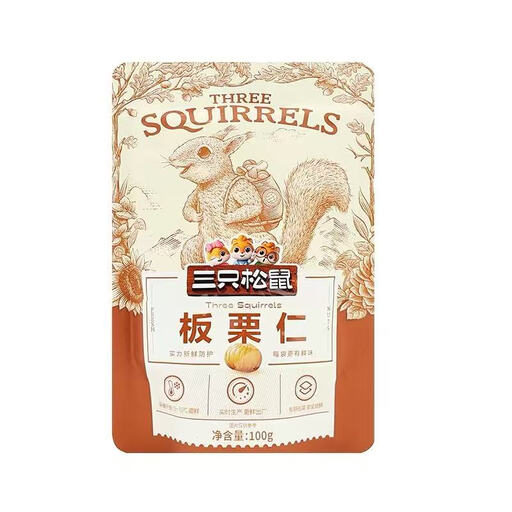 No image available
This 100 g pack of chestnut kernels leaves the serving amount to you. Measure the portion you intend to give, then use the current pack label to check its calories and allergens.
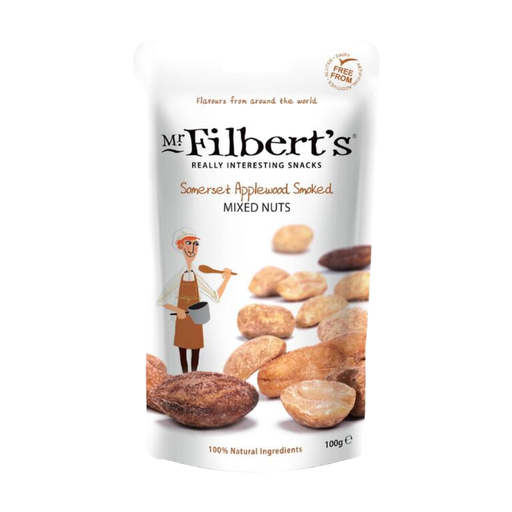 No image available
This 100 g bag contains smoked mixed nuts rather than a ready-measured snack portion. Portion out the amount to serve, and check the label for calories, salt and allergens.
The portion determines whether nuts fit a lower-calorie snack aim. Kent Community Health NHS Foundation Trust lists 12 almonds at 80 kcal and several other counted nut portions at 90–92 kcal; check the calories for the product and amount you actually serve.
Do not assume so from its size. KP Snacks says its 30 g Snack Packs are under 200 kcal, not under 100 kcal. Read the exact pack’s nutrition label if you have a particular serving-calorie aim.
No. The Department for Education’s early-years choking guidance says whole nuts should not be given to children under five. It describes chopping or flaking nuts when nuts are otherwise appropriate for the child.
Check that particular setting’s current allergy policy before packing them. The Department for Education’s allergy-safety guidance concerns schools in England; it does not mean every school or club permits nut-containing food.
It is precautionary allergen wording, not an assurance that the food is suitable for someone with a nut allergy. The Food Standards Agency explains that such wording communicates that an allergen could be unintentionally present. Follow the child’s individual allergy-management advice when assessing the pack.