What matters when choosing?
Start with the occasion and the people who will eat the snack. Then compare the exact pack’s ingredients, serving information and nutrition panel rather than treating all biscuits or chocolate boxes as interchangeable.
| Priority | What to check | Your needs |
|---|
| Snack or gift |
Decide whether the pack is for an occasional biscuit serving or for presentation and sharing. NHS guidance favours fruit and vegetables for children’s routine snacks. |
For an ordinary afternoon, I want a snack I can serve deliberately. If I’m taking someone a gift, the chocolate-box format matters more. |
| Ingredients |
Read the current ingredients and allergen information on the exact pack. Do not equate “lactose-free” with “milk-free” when choosing for a milk allergy. |
Someone eating this needs to avoid milk or gluten, so I need the relevant labelling for this particular product—not an assumption based on another custard cream. |
| Portions |
Check whether nutrition is given per biscuit, per chocolate, per serving or per 100g, and how that relates to the amount being served. Sainsbury’s lists approximately 16 servings and per-biscuit values for its 200g Custard Creams. |
I’d like to decide on a serving before putting out a biscuit pack or a sharing box. |
| Nutrition |
Compare like-for-like values on the packs you are considering, including sugars and saturates. A coated or extra-cream variant should not be assumed to have the same figures as a standard biscuit. |
If I’m choosing a richer variation, I want to know what its own label says rather than relying on the familiar custard-cream name. |
Brand and retailer references
These examples show why the exact product line and pack label matter; a retailer’s biscuit, free-from range and gift selection do not answer the same buying need.
Sainsbury’s
Its standard Custard Creams and separately labelled Free From Custard Creams offer two distinct biscuit choices.
- The standard 200g listing gives nutrition per biscuit and approximately 16 servings.
- The standard recipe lists wheat flour and whey powder from cows’ milk; do not apply the Free From product’s dietary labelling to it.
M&S
Its extra-cream and chocolate-coated custard creams are variations for shoppers considering a richer sweet biscuit.
- M&S describes Extra Cream Custard Creams as containing extra vanilla cream and real custard powder.
- The cited Extra Cream product contains milk and wheat; its listing gives 40.2g sugars per 100g. Check the coated product’s separate label rather than treating the variants as identical.
McVitie’s
McVitie’s Tasties Custard Creams are listed by Joybuy as a 300g cream-filled biscuit pack.
- The Joybuy listing identifies milk and wheat allergens for this particular pack.
- Confirm the current pack information and whether the product can be purchased before relying on that listing.
Tesco
Tesco’s Chocolate Boxes & Gifts category illustrates the presentation-led alternative to a household biscuit pack.
- The category includes chocolate boxes, selection boxes and truffle boxes for gifting or sharing.
- A category listing does not establish the ingredients or serving information of an individual chocolate box; check the chosen product.
Joybuy options for biscuits and gifting
These options cover a gluten-free custard-cream biscuit and chocolate boxes for gifting or sharing. A gluten-free or lactose-free description is not, by itself, confirmation that a product is milk-free.
 No image available
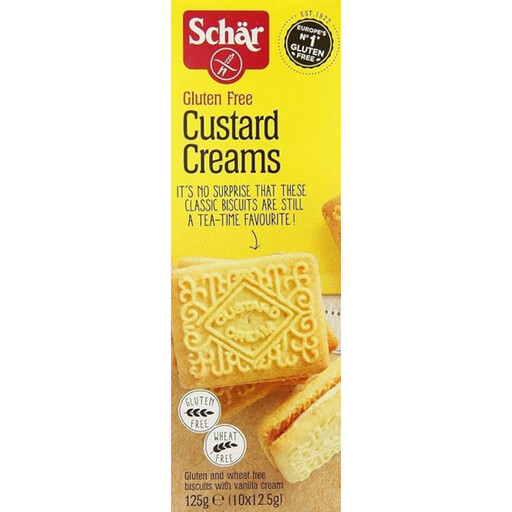
Schar Gluten Free Custard Creams 125g
A custard-cream option for an occasional biscuit serving when gluten-free labelling is needed. The pack is 125g; check its current ingredients and allergen information separately if milk must also be avoided.
View on Joybuy
 No image available
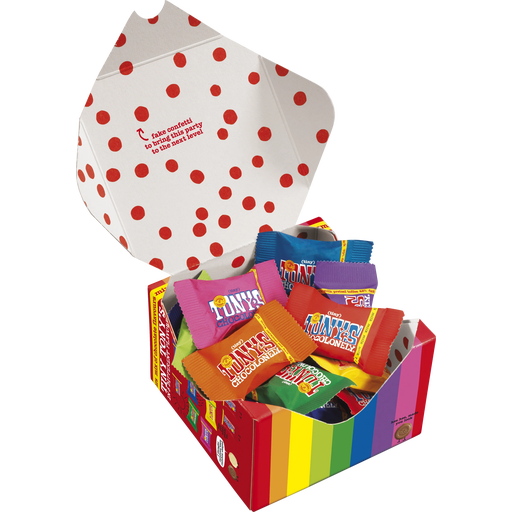
Tony’s Chocolonely Tiny Tony’s Mix Gift Chocolate Box 180g
The 180g gift-box format suits an edible-gift occasion rather than the everyday after-school snack decision. Check the current pack for ingredients and serving information before sharing.
View on Joybuy
 No image available
Ferrero Rocher T24 300g
A boxed-chocolate option for gifting or sharing, rather than a replacement for a routine after-school snack. The listed pack is 300g; read its current allergen and nutrition labels for the people who will eat it.
View on Joybuy
 No image available
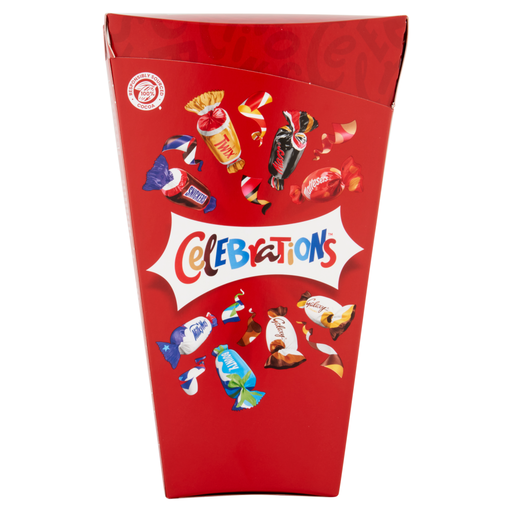
Celebrations Chocolate Sharing Giftbox 300g
The 300g sharing-giftbox format fits an occasion where chocolates will be offered to others. Check the current pack’s ingredients and serving information rather than assuming every chocolate in a selection is alike.
View on Joybuy
Questions about snacks and allergens
Should custard creams or boxed chocolates be an everyday after-school snack?
Neither needs to be the routine choice. NHS guidance favours fruit and vegetables for children’s snacks and suggests limiting packaged snacks; if you serve biscuits or chocolate occasionally, use the chosen pack’s serving and nutrition information to decide how much to offer.
Do custard creams contain milk or gluten?
Recipes differ. Sainsbury’s standard Custard Creams list wheat flour and whey powder from cows’ milk, while its separate Free From Custard Creams are labelled milk-free and gluten-free. Check the current pack of the exact product you intend to serve.
Can I choose custard creams when someone avoids dairy or gluten?
Choose only a product whose current labelling meets that person’s requirements. Sainsbury’s Free From Custard Creams are described as milk-free and gluten-free, but another product described as lactose-free should not be assumed to be milk-free.
Do England’s school-food standards prohibit these snacks at home?
No: the Department for Education’s updated School Food Standards concern food provided by schools in England and become mandatory from September 2027, not snacks eaten at home. For food taken into school, check the school’s own policies and the rules applying in its nation rather than assuming one UK-wide position.
Is an online listing enough to check allergens?
Use the current physical pack for the final ingredients and allergen check, because formulations can change. The UK Food Standards Agency advises that food businesses must provide information when regulated allergens are used as ingredients; for a snack going into school, check its allergy procedures too.


