Green-tea drinkers reducing caffeine
If you want to keep a green-tea drink in your afternoon break, look for one explicitly labelled decaffeinated. Regular green tea still contains caffeine.


Choose decaffeinated green tea for an afternoon break if you want green tea with less caffeine: decaf can still contain traces. If you need a caffeine-free drink and do not mind a different flavour, choose an herbal or fruit infusion and check the exact blend’s ingredients. Regular green tea remains an option when some caffeine is acceptable, but changing how you brew it does not make it decaf.
If you want to keep a green-tea drink in your afternoon break, look for one explicitly labelled decaffeinated. Regular green tea still contains caffeine.
If avoiding caffeine matters more than keeping a green-tea flavour, consider an herbal, fruit or rooibos infusion. Check the ingredients of the exact blend rather than assuming every infusion is caffeine-free.
Check those descriptions on the particular decaf pack. Clipper identifies its Organic & Fairtrade Decaf Green Tea as made with decaffeinated organically grown green tea and says the tea is traded in compliance with Fairtrade standards.
Choose when: You want green tea but would prefer less caffeine in your afternoon cup.
Bear in mind: Traces of caffeine can remain, and Clipper says decaffeination can remove some flavour.
Choose when: You want regular green tea and some caffeine is acceptable.
Bear in mind: Brewing it differently does not turn it into decaf.
Choose when: A caffeine-free drink matters more to you than a green-tea flavour.
Bear in mind: It is a different kind of drink; check the ingredients and caffeine statement of the exact blend.
| Priority | What to check | Your needs |
|---|---|---|
| Caffeine | Distinguish regular from decaffeinated green tea. Read any caffeine statement on the exact pack; decaf can retain traces. | I still want green tea, but I would prefer less caffeine in my afternoon cup. |
| Caffeine-free choice | For an infusion, read the full ingredient list and look for a product-specific caffeine statement. | A drink without caffeine matters more to me than keeping the taste of green tea. |
| Flavour and preparation | Check whether the tea is plain or flavoured, then follow its own brewing directions. Clipper says its decaffeination process can remove some flavour. | I want to know what my afternoon drink contains and how to prepare the pack I choose. |
| Product credentials | Check organic and Fairtrade descriptions against the named product, not another tea in the same brand’s range. | If those attributes matter to me, I want them stated for the decaf tea I am buying. |
Decaffeination removes nearly all the caffeine, but traces can remain. That matters when reducing caffeine is not enough for your needs.
Read the exact tea label. If you want a caffeine-free infusion instead, check that blend’s ingredients and caffeine statement.
Regular green tea naturally contains caffeine, and the amount in a cup varies with the tea and its preparation.
Choose a product explicitly labelled decaffeinated when reducing caffeine is the reason for changing your afternoon tea.
Clipper says it uses carbon dioxide to decaffeinate its tea, but also acknowledges that removing caffeine can take away some flavour. The method alone does not establish how two teas will taste to you.
If flavour is important, compare the ingredients and try the particular tea before choosing a larger pack.
These references help distinguish named decaf green teas from regular green teas and herbal alternatives; a brand’s wider range does not establish the properties of every pack.
Twinings lists Pure Green Decaffeinated 20 Tea Bags for shoppers who want a decaf green tea.
Clipper lists an Organic & Fairtrade Decaf Green Tea made with decaffeinated organically grown green tea.
Pukka lists green teas and herbal infusions, which serve different afternoon-drink preferences.
teapigs lists regular green-tea varieties, including green tea with mint and jasmine pearls.
Tesco’s listing for Twinings Green Tea Decaffeinated 20 Tea Bags 40 g provides pack-specific details.
These options include a decaffeinated green tea and drinks to consider if you are open to an alternative to green tea. Check each pack’s ingredients and caffeine statement against your own requirement.
 No image available
Consider this soursop tea if you are willing to move away from green tea for your afternoon break. The pack contains 20 tea bags; check its ingredients and caffeine statement if caffeine avoidance is essential.
 No image available
Choose a lemon-and-ginger drink only if you are happy to leave green-tea flavour behind. This is a 20-bag pack; check its ingredient list and brewing directions on the pack.
 No image available
This is the decaf green-tea option for keeping green tea in your afternoon break while reducing caffeine. The pack contains 50 tea bags and weighs 100 g. Decaf does not necessarily mean caffeine-free, so check the pack’s caffeine statement and brewing directions.
 No image available
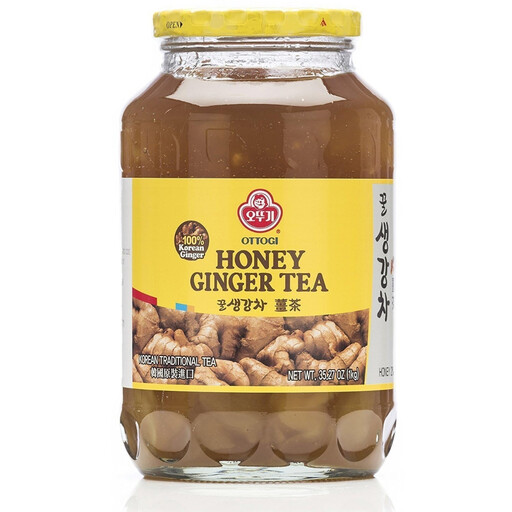
Consider this ginger tea if green-tea flavour is not essential to your break. It is a 1 kg product; check the pack’s ingredients, caffeine statement and preparation directions before choosing it for a caffeine-free drink.
 No image available
This peppermint option is for an afternoon break where green-tea flavour is not a priority. It comes in an 80-pack; check the exact pack’s caffeine statement and brewing directions.
No. Decaffeination removes nearly all the caffeine, but traces can remain. Twinings says UK decaffeinated teas typically contain no more than 0.2% caffeine; check the exact product label if the distinction matters to you.
Only if some caffeine is acceptable. Twinings estimates around 30–40 mg per 200 ml cup for its green tea and notes that the amount varies with the tea and how it is brewed. A shorter brew does not make regular green tea decaffeinated.
Decaf green tea is made from tea leaves and has undergone a process to remove most caffeine. Herbal and fruit infusions are different drinks that do not use tea leaves; check the ingredients and caffeine statement of a particular blend before choosing it as a caffeine-free option.
Follow the directions for the tea you buy. Tesco’s listing for Twinings Green Tea Decaffeinated specifies one teabag in 200 ml of freshly boiled water for three minutes. That direction belongs to the named product, not every decaf green tea.