Later-afternoon drinkers watching caffeine
Someone who enjoys a familiar black-tea cup but wants less caffeine can consider decaf. If avoiding caffeine is the priority, look instead for an infusion labelled caffeine-free and check its ingredients.


For a familiar cup with milk, start with an everyday or English Breakfast-style black tea; choose plain decaf black tea if the drinker wants that style with less caffeine. Earl Grey is a different, bergamot-flavoured choice, while a caffeine-free infusion suits someone who would rather avoid caffeine than retain the taste of black tea. Decaf tea can still contain traces of caffeine, so check the pack when that distinction matters.
Age does not decide the blend: the useful starting points are the drinker’s preferred flavour, how they take their tea and whether they want to reduce caffeine.
Someone who enjoys a familiar black-tea cup but wants less caffeine can consider decaf. If avoiding caffeine is the priority, look instead for an infusion labelled caffeine-free and check its ingredients.
Everyday black tea and English Breakfast-style blends are starting points for someone who likes a full-bodied cup with milk. Choose between regular and decaf black tea according to their caffeine preference.
Decaf Earl Grey offers a bergamot-and-citrus flavour rather than the plain taste of everyday black tea. It is worth offering when that flavour is welcome, not simply because the drinker wants a lighter cup.
Settle the caffeine and flavour preference first, then check the individual pack for ingredients and brewing instructions.
| Priority | What to check | Your needs |
|---|---|---|
| Caffeine | Distinguish regular black tea, decaf black tea and an infusion labelled caffeine-free. Check the current pack if avoiding caffeine matters: Twinings notes that decaf tea can retain traces. | I want a familiar tea later in the day but would prefer less caffeine; or I would rather choose an infusion labelled caffeine-free. |
| Familiar flavour | Look for an everyday or English Breakfast-style black-tea blend if a full-bodied cup is wanted. Twinings describes its English Breakfast blend as full-bodied. | A conventional cup with milk matters more to me than trying a fruit or herbal flavour. |
| Aromatic flavour | Check whether the tea is flavoured rather than plain. Twinings describes its decaf Earl Grey as tea with bergamot and lemon flavours. | I would enjoy a citrus-fragrant cup; otherwise I would choose plain black tea or plain decaf. |
| Brewing | Follow the product’s own infusion time rather than applying one timing to every bag. Yorkshire Tea’s general method suggests 4–5 minutes and cautions against forcefully mashing the bag; other products give different times. | I want to make a repeatable cup without letting the bag brew longer than the drinker likes. |
| Ingredients | Read the current pack, particularly for a flavoured blend or an infusion. Check for ingredients the drinker avoids rather than assuming all decaf teas or herbal blends have the same contents. | If I am serving someone else, I need to know which tea and flavourings are actually in the bag. |
| Water hardness | If ordinary tea repeatedly tastes darker or thicker at home, consider whether a blend made for hard water addresses that preference. Yorkshire Tea attributes those changes to minerals in hard water. | Our usual tea tastes different with our tap water, but I do not want to confuse a water-specific blend with a decaf one. |
Twinings says minor traces of caffeine can remain in decaffeinated tea. A decaf black-tea bag therefore answers a different preference from an infusion labelled caffeine-free.
If avoiding caffeine is important, check the current infusion pack and its ingredients, including whether the blend contains mate or guarana.
Twinings’ decaf Earl Grey has bergamot and lemon flavours; it is not merely a weaker-tasting version of everyday black tea.
Offer it to someone who enjoys that citrus character, and keep a plain black-tea or decaf black-tea option for a conventional cup.
Brand instructions differ. Yorkshire Tea suggests 4–5 minutes for its general method, while Waitrose lists a 1–2 minute recommendation for PG Tips Decaf.
Start with the individual pack’s instructions, adjust to the drinker’s preferred strength and avoid forcefully squeezing the bag; Yorkshire Tea cautions that this can make tea bitter.
Yorkshire Tea says mineral-rich water can make tea taste darker and thicker, which may affect how a familiar blend tastes at home.
If that is a recurring issue, a tea formulated for hard water is an option to try. It is a water-specific choice, not a substitute for decaf.
These brand examples show how blend, flavour and brewing information can differ; check the particular pack rather than treating every tea from a brand as interchangeable.
A plain decaf black-tea option for a familiar tea routine.
A decaf black-tea option with a short listed brewing time.
Its range distinguishes regular tea, decaf and a blend formulated for hard water.
A range spanning English Breakfast-style black tea and flavoured decaf Earl Grey.
An Assam-led decaf black-tea option.
A Kenyan-tea decaf option presented as an everyday black-tea brew.
These options span flavoured infusions, regular Yorkshire Tea and plain decaf black tea. Choose the type of drink first: the infusions offer different flavours from a conventional cup of black tea.
 No image available
Consider this lemon-and-ginger infusion when the drinker wants a flavoured alternative to black tea. If avoiding caffeine is essential, confirm the current pack’s caffeine statement and ingredients before serving.
 No image available
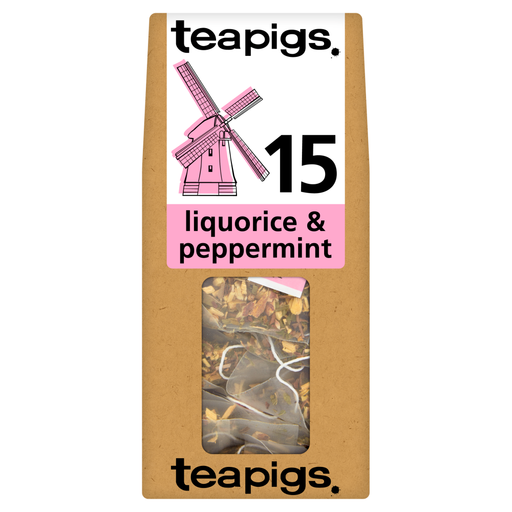
This liquorice-and-mint infusion is a choice for someone who wants those flavours rather than plain black tea. Check that the ingredients suit the intended drinker, and confirm the current pack’s caffeine statement if avoidance is essential.
 No image available
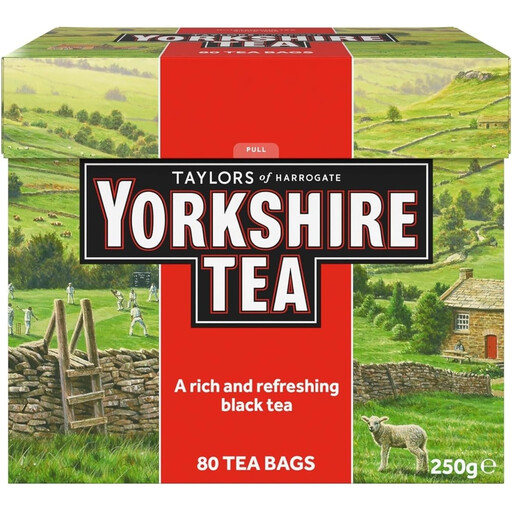
A regular black-tea option for someone who wants a conventional afternoon cup. This is not the decaf variant; check the pack’s brewing instructions and take its caffeine content into account when choosing the serving time.
 No image available
A decaf black-tea choice for someone who wants to keep a familiar tea routine while reducing caffeine. Tesco lists this variant as decaffeinated black tea; check the purchased pack for its brewing guidance and remember that decaf need not be caffeine-free.
 No image available
Consider this decaf Yorkshire Tea variant when the drinker wants black tea with less caffeine than the regular version. Check the current pack for its tea-bag count and brewing instructions, and do not treat decaf as a caffeine-free label.
No. Twinings says decaffeinated tea can retain minor traces of caffeine. If avoiding caffeine is the main requirement, look for an infusion labelled caffeine-free and check its current ingredients.
No; choose according to the individual’s caffeine preference and serving time, not age alone. Plain decaf black tea keeps a familiar tea style for someone who wants less caffeine, while regular black tea remains an option for someone who prefers it.
Start with an everyday or English Breakfast-style black tea. Twinings describes its English Breakfast blend as full-bodied; if the drinker would prefer less caffeine, look for a plain decaf black tea rather than assuming a flavoured infusion will taste similar.
Follow the individual pack’s brewing time and avoid forcefully mashing the bag. Yorkshire Tea suggests 4–5 minutes for its general method and cautions that excessive squeezing can make tea bitter, but another product may specify a different time.
Read the current pack for ingredients, flavourings and allergen information. Twinings describes its decaf Earl Grey as flavoured with bergamot and lemon, while Waitrose lists PG Tips Decaf as decaffeinated black tea; the two offer different cups despite both being decaf.