Hosts making a shared tea plate
Mini fingers or shapes give guests small pieces to take from a plate. Compare the biscuit count, pack size and instructions for storing anything left after opening.


Choose a sharing bag of mini shortbread when you want to arrange small biscuits on a tea plate, or separately packed portions when you are setting individual places or serving tea across several sittings. Regular fingers also work if bite-size presentation is not important. Check the actual biscuit and pack quantities, storage instructions and allergen information: products labelled mini do not all use the same serving format.
Mini fingers or shapes give guests small pieces to take from a plate. Compare the biscuit count, pack size and instructions for storing anything left after opening.
Inner bags or individually wrapped biscuits can be set out place by place or across several sittings. Check how many portions the selling unit contains: a household multipack and a foodservice case serve different quantities.
Read the current ingredient list and precautionary statements for every biscuit you plan to serve. A mini size or an all-butter description does not establish whether it is suitable for a particular guest.
Decide how guests will take the biscuits, then check the selling unit and the label before choosing a pack.
Choose when: You want to arrange small fingers or shapes on a shared afternoon-tea plate.
Consider: The biscuits are not separately wrapped; follow the pack’s instructions for leftovers.
Choose when: You are setting individual places or serving tea over several sittings.
Consider: Inner bags and individually wrapped biscuits come in different selling units; a foodservice case may be more than a small gathering needs.
Choose when: A conventional biscuit alongside tea matters more than bite-size presentation.
Consider: Use the regular finger’s own serving information rather than applying figures from a mini product.
| Priority | What to check | Your needs |
|---|---|---|
| Plate presentation | Compare biscuit count with pack weight; Walker’s lists 24 mini fingers in its 125g sharing bag. Waitrose lists 125g of mini shapes and gives nutrition per four shortbreads. | I’d like guests to take small pieces from a shared plate, so the number and shape of the biscuits matter as well as the bag size. |
| Separate portions | Check the number of inner bags or wrapped biscuits and the quantity sold. Walker’s Wee Shorties lists six 25g bags with five mini fingers in each; Dean’s describes approximately 100 individually wrapped 10g rounds per foodservice case. | For separate places or several sittings, I want enough portions without buying a case sized for a much larger service. |
| Allergen information | Read each current pack’s ingredients and precautionary statements. Walker’s mini fingers list wheat and milk; M&S says its mini fingers are not suitable for people with a nut or peanut allergy. | If a guest has a food allergy, I need to check the specific biscuit being served rather than rely on its size or an all-butter description. |
| Quantity and availability | Confirm the selling unit and current availability before planning the plate. For an opened bag, check its own storage instructions; Waitrose says to use an airtight container. | I want the quantity I can use for this tea and a plan for any biscuits left after opening. |
A loose mini finger, a 25g inner bag and an individually wrapped 10g round are different units for planning a tea table.
Count the pieces or packs you intend to put out, then check how many the selling unit contains.
The listed products have product-specific ingredient and precautionary allergen information, including wheat, milk, nut or peanut statements.
Ask about relevant allergies and check the current label of each pack you actually serve.
A particular pack may not be available when you need it; Tesco’s mini bites and Dean’s plain foodservice case were marked unavailable on the listings consulted in September 2026.
Confirm availability for your order before making either product central to the menu.
These examples show how mini and regular formats differ; check the current product label before serving.
Lists mini fingers in both a 125g sharing bag and a six-inner-bag Wee Shorties multipack.
Lists individually wrapped 10g mini rounds in foodservice cases.
Lists a 125g bag of mini shortbread fingers for afternoon tea.
Lists a 125g bag of own-label mini all-butter shortbread shapes.
Lists 125g Scottish Shortbread Bites in a mini format.
Lists regular all-butter Highland shortbread fingers as an alternative to a mini format.
This 25g shortbread is an option to consider when planning a separately served biscuit with afternoon tea; check its packaging if individual wrapping matters to you.
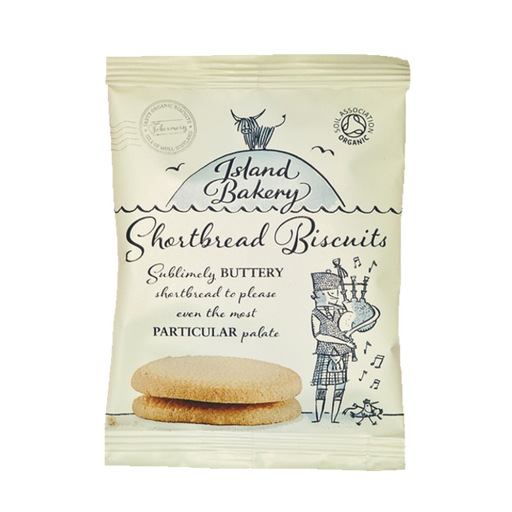 No image available
The stated 25g size helps when planning a biscuit for each place. Check the current packaging for wrapping, ingredients and allergen warnings before serving.
The listed mini shortbreads are packaged biscuits intended for serving without cooking. If you open a sharing bag, follow that pack’s instructions for storing leftovers.
Follow the instructions on the particular pack. M&S and Waitrose specify a cool, dry place and an airtight container after opening; Tesco says to reseal its pack with the supplied sticker. Check the date on the pack you receive.
Count the biscuits or separate portions you plan to serve, then check whether the selling unit is one bag, a multipack of inner bags or a foodservice case. Pack weight alone does not tell you how many individually set places it will cover.
Check the current ingredients and any precautionary warning for each shortbread product. GOV.UK and Food Standards Scotland explain that food businesses must make allergen information available, with requirements depending on how food is packaged and presented; a labelling rule is not a guarantee that a biscuit suits a particular guest.