People avoiding caffeine
If you want a green powder for an afternoon latte but need a caffeine-free choice, look for an explicit caffeine-free label and check the ingredient. Clearspring describes its Kuwa Matcha as 100% mulberry-leaf powder.


For a caffeine-free afternoon drink, choose a clearly labelled matcha-style powder such as Clearspring Organic Japanese Kuwa Matcha, which is made from mulberry leaves rather than green tea. If you want conventional matcha, check the portion and your other caffeine sources: Clearspring estimates approximately 32mg of caffeine per 1g of its Premium Matcha, so the timing of your snack matters too.
The ingredient matters as much as the word “matcha” on the front of the pack: a caffeine-free mulberry-leaf powder and conventional green-tea matcha answer different needs.
If you want a green powder for an afternoon latte but need a caffeine-free choice, look for an explicit caffeine-free label and check the ingredient. Clearspring describes its Kuwa Matcha as 100% mulberry-leaf powder.
If you prefer ordinary matcha, its caffeine is worth considering alongside your other drinks and the time you plan to go to bed. A smaller serving is not the same as a decaffeinated product.
If ground green-tea leaves and their characteristic flavour are the point of the drink, choose conventional matcha and measure the amount you use rather than substituting a different plant powder.
Start with whether caffeine-free or green-tea matcha is the requirement. Then check the serving and preparation format against your afternoon routine.
| Priority | What to check | Your needs |
|---|---|---|
| Ingredient and caffeine | Read the ingredient list and caffeine wording together. Clearspring lists 100% mulberry leaf in its naturally caffeine-free Kuwa Matcha; its conventional Premium Matcha contains 100% matcha green tea. | I want a green powdered drink without caffeine, so I need a product explicitly labelled caffeine-free—not just one called matcha. |
| Serving and timing | Check caffeine per stated serving and how much powder you will use. Clearspring estimates approximately 32mg per 1g of its Premium Matcha. A study published in the Journal of Clinical Sleep Medicine found sleep disturbance with a 400mg caffeine dose taken even six hours before bed; it did not test a 1g matcha serving. | For a later snack, I would count caffeine from my other drinks and food as well as the matcha, then consider whether its timing works for me. |
| Drink or recipe | Check whether you want a powder for a latte, smoothie or food preparation, or a brewed tea bag. Clearspring lists those recipe uses for Kuwa Matcha; a standard decaf tea bag is a different format. | A whisked or blended powder matters to me if the drink is part of the snack. If I simply want a brewed decaf tea, I can choose that format instead. |
Clearspring’s caffeine-free Kuwa Matcha contains mulberry leaf, while its conventional matcha contains green-tea powder. They are different ingredients, not two grades of the same tea.
Read the ingredient list before choosing: select the mulberry-leaf product for this caffeine-free route, or green-tea matcha if conventional matcha is what you want.
Conventional matcha contains caffeine. Clearspring’s estimate of approximately 32mg per 1g applies to its cited Premium Matcha, not every powder or serving size.
Measure the portion, check the product’s own information and consider other caffeine sources and your bedtime. Choose a clearly labelled caffeine-free product if you need to avoid caffeine.
A brewed tea bag does not provide the powder used to whisk a matcha-style drink or add to a recipe. Waitrose and M&S list conventional decaf teas, which serve a different preparation need.
Choose the format first: a tea bag for brewed tea, or a suitable powder if you plan to make a latte, smoothie or snack recipe.
These examples help distinguish product types; a brand’s matcha range and its caffeine-free tea range should not be assumed to contain the same products.
Clearspring describes two distinct powders: caffeine-free, 100% mulberry-leaf Kuwa Matcha and conventional, 100% green-tea Premium Matcha.
M&S describes matcha as ground green-tea leaves and lists decaffeinated teas separately.
Waitrose lists conventional decaffeinated teas, including decaf blends and Earl Grey.
teapigs presents matcha and caffeine-free tea as separate parts of its UK range.
These Joybuy powders are options for shoppers considering tea-based afternoon drinks or recipes. Neither is a caffeine-free mulberry-leaf substitute, so choose a product explicitly labelled caffeine-free if avoiding caffeine is your deciding requirement.
 No image available
Consider this if you want conventional matcha for an afternoon drink. It is not a decaf choice, so check the pack’s serving information and account for caffeine from other sources.
 No image available
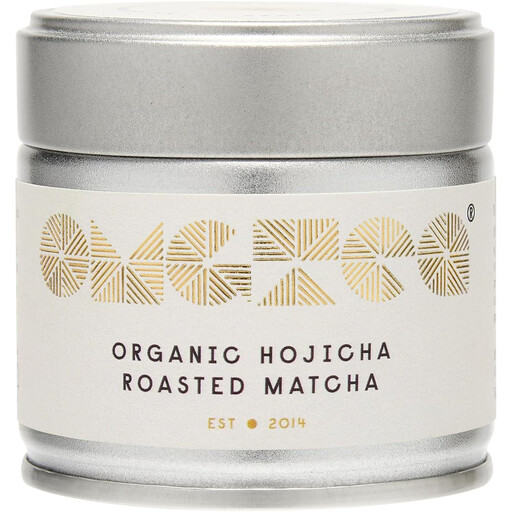
The roasted powder is an option for an afternoon drink or recipe if that flavour appeals to you. It is not caffeine-free or the same choice as unroasted green-tea matcha; check its serving information if caffeine matters.
No. Clearspring lists its naturally caffeine-free Kuwa Matcha as 100% organic Japanese mulberry-leaf powder, whereas conventional matcha is made from ground green-tea leaves. Check the ingredient if green-tea matcha is specifically what you want.
Yes, if you want green-tea matcha and its caffeine fits your plans for the day. Clearspring estimates approximately 32mg of caffeine per 1g of its Premium Matcha; check how much powder you use and consider caffeine from other sources and the time before bed.
Choose powder if you want a whisked or blended drink or an ingredient for a recipe; choose a decaf tea bag if you want brewed tea instead. For a caffeine-free powder, check both the explicit caffeine label and the ingredient, as a matcha-style alternative may be made from mulberry leaves rather than green tea.