
24/7 Customer Support

Free returns

Same-day & Next-day Delivery

Quality Guaranteed

Unlock Your Welcome Offers: FREE Delivery | Up to 80% OFF | Free 30-day JoyPlus trial
Download the APP
If your complexion feels rough, looks dull or becomes congested around the nose and chin, AHA BHA exfoliating skincare can be a useful addition to a routine. However, choosing by a large percentage or a promise of instant clarity can lead to irritation, wasted money and products that remain unused.
The right choice depends on your skin concern, tolerance, preferred format and how often you realistically intend to use it. This guide explains the main differences between acids, highlights common buying traps and matches several options to practical UK shopping profiles.
A strong formula is not necessarily the right formula for daily use. AHA exfoliators such as glycolic acid skincare work mainly on the skin’s surface, while a BHA exfoliator containing salicylic acid is generally selected for oily areas and products for clogged pores. PHA skincare is often considered when a milder exfoliating approach is preferred.
Percentage alone does not tell the whole story. The product’s pH, whether it is rinsed off, the supporting ingredients and the intended frequency all affect how it fits into a routine.
Fruit extracts, citrus oils and botanical ingredients may sound gentle, but they can still be unsuitable for reactive skin. Check the full ingredient list rather than relying on front-of-pack wording. For example, some formulas include alcohol, fragrance or essential oils, while others are specifically formulated without these ingredients.
A product can help skin feel smoother or look fresher without being a medical treatment for acne, pigmentation or scarring. Persistent or painful breakouts should be discussed with a qualified healthcare professional.
An exfoliating toner, exfoliating serum, facial peel and acid cleanser may each seem manageable individually. Used together, they can create excessive exfoliation. Retinol, strong vitamin C products and physical scrubs may also increase the chance of discomfort when combined with acids.
Start with one exfoliating product and follow its instructions. Patch testing is sensible, particularly for mildly sensitive or acne-prone skin.
A leave-on exfoliating toner or serum remains on the skin, so it may suit shoppers seeking a regular, targeted step. A rinse-off facial peel or peeling cream gives you more control over contact time. Cleansers and body washes are convenient but are removed quickly during washing.
Look for clear instructions covering application amount, contact time and frequency. The Isntree Hyper Acid 4 AHA BHA PHA LHA 30 Serum, for example, is described as a 30% four-acid formula and a one-minute rinse-off treatment, making it more appropriate for occasional use than casual daily application.
Hydrating and soothing ingredients such as glycerin, panthenol, allantoin, beta-glucan and hyaluronic acid can make an exfoliating routine feel more comfortable. Still, they do not remove the need to introduce acids gradually.
Review whether a formula contains denatured alcohol, fragrance, citrus oils or other ingredients you already know your skin dislikes. Use sunscreen during the day, as AHA products can increase sensitivity to sunlight. Do not apply acids to broken, inflamed or irritated skin, and stop use if persistent redness, swelling, itching or burning occurs.
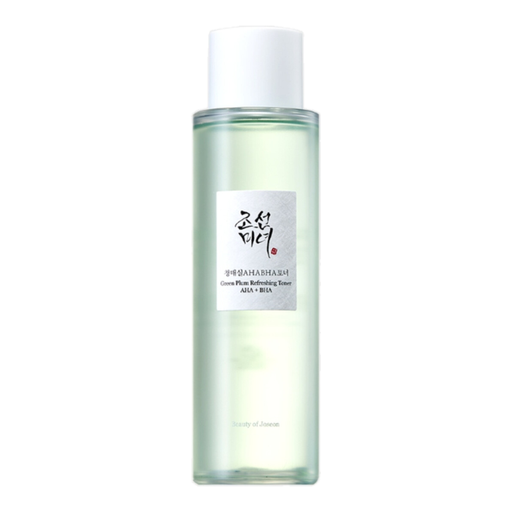
Why This Fits Their Persona: A straightforward water-light toner for shoppers who want to begin with a daily-style format rather than buying a multi-product routine. Its listed formula includes 3% glycolic acid and 0.5% salicylic acid.
The listed acid levels are clearly stated, helping you compare the formula instead of judging it by vague “natural renewal” wording.
150ml size; includes both glycolic acid and salicylic acid in a light toner format.
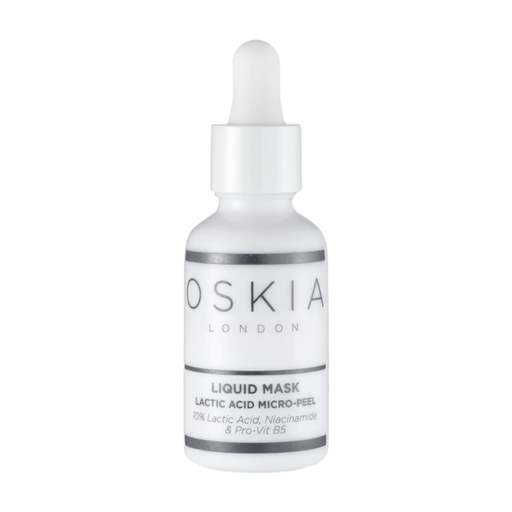
Why This Fits Their Persona: A compact treatment for shoppers who prefer a measured weekly ritual and a lactic-acid-focused formula rather than a daily exfoliating toner.
The instructions specify a 5–10 minute contact time and one to two uses weekly, reducing guesswork around overuse.
30ml travel-friendly size; contains lactic acid, panthenol and sodium hyaluronate.
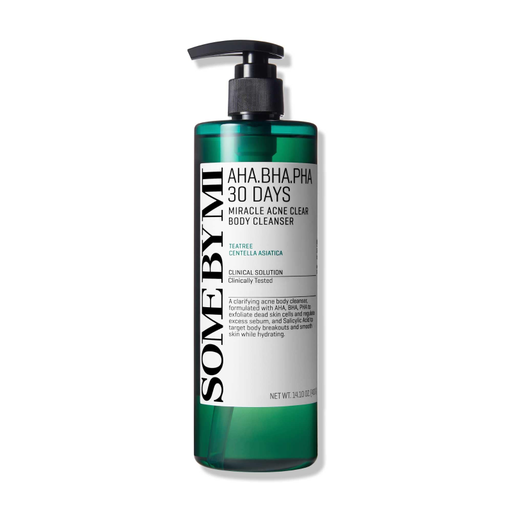
Why This Fits Their Persona: Designed for shower routines involving the back, chest and shoulders, where a facial product may be inconvenient to apply.
It is clearly labelled as a body cleanser, helping avoid the mistake of applying a concentrated facial peel to large body areas.
400g pump format; combines AHA, BHA and PHA in a wash-off product.
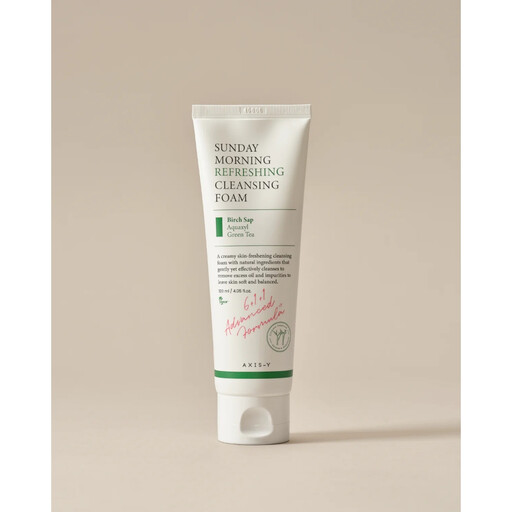
Why This Fits Their Persona: A rinse-off PHA option for shoppers who want a shorter, occasional exfoliation step and are cautious about stronger AHA or BHA products.
It uses a defined 10% gluconolactone formula with a 10–15 minute rinse-off instruction, rather than encouraging indefinite leave-on use.
10% PHA; includes glycerin and centella asiatica extract; vegan formula made in South Korea.
We have compiled a complete, real-time list of products that fully satisfy these strict selection criteria and UK safety regulations.
BHA products containing salicylic acid are commonly selected for oily, congested areas because salicylic acid is oil-soluble. AHA exfoliators may be more relevant when the main concern is rough surface texture or dull-looking skin. A combined formula can offer both, but should be introduced gradually.
Follow the product instructions and your skin’s tolerance. A mild exfoliating toner may be used more regularly, while a facial peel, high-acid serum or peeling cream is usually better suited to occasional use. Do not increase frequency simply because results are not immediate.
A body cleanser or body toner mist containing acids may be convenient for the back, chest and shoulders. Choose a product labelled for body use, avoid broken or severely inflamed skin and use sunscreen on exposed areas. If breakouts are persistent, painful or spreading, seek medical advice rather than relying solely on cosmetic products.