
24/7 Customer Support

Free returns

Same-day & Next-day Delivery

Quality Guaranteed

Unlock Your Welcome Offers: FREE Delivery | Up to 80% OFF | Free 30-day JoyPlus trial
Download the APP
Congested pores, recurring blemishes, rough texture and post-acne marks can make exfoliating skincare appealing. However, choosing an acid product based only on a large percentage or attractive “glow” claims can lead to wasted money and uncomfortable irritation.
This guide explains how AHA BHA PHA exfoliating skincare works, which specifications matter and how to match a product with your routine, skin tolerance and lifestyle in the UK.
A product containing 20% or 30% acids is not necessarily appropriate for daily use. Concentration, pH, contact time and whether the product is rinsed off all affect how intensive it may feel.
For example, a rinse-off facial peel used for one minute has a different routine impact from a leave-on exfoliating toner applied twice a day. Beginners and people with sensitive skin may find a lower-strength exfoliating toner or PHA exfoliant easier to introduce gradually.
Each acid has a different practical role:
A combination formula may be convenient, but it can also make it harder to identify which ingredient is causing dryness or stinging.
Acids are only one part of a product. Look for supporting ingredients such as glycerine, panthenol, hyaluronic acid, allantoin or centella asiatica if your skin becomes tight after exfoliation. Also check for fragrance, essential oils, alcohol and retinoids if you are prone to sensitivity.
Do not rely solely on terms such as “non-comedogenic”, “gentle” or “dermatologically tested”. These descriptions do not guarantee that a product will suit every individual.
Check the ingredient list and product directions rather than relying on the front label. A leave-on chemical exfoliant generally requires more careful frequency control than a rinse-off facial peel.
Examples include:
These figures are not directly comparable because the formulas have different acid types, pH levels, textures and usage instructions.
Choose the format that fits your habits:
A product that remains unopened in a cupboard is not good value, so convenience should be treated as a meaningful buying factor.
For acne-prone skincare, compare the full routine rather than buying several strong products at once. Combining an AHA toner, salicylic acid serum, retinoid and abrasive scrub may increase dryness and sensitivity.
Patch test new products, avoid broken or inflamed skin and follow the manufacturer’s directions. Acid exfoliation can increase sensitivity to sunlight, so apply a broad-spectrum sunscreen during the day and limit prolonged sun exposure. Stop using a product if persistent redness, swelling, itching or burning occurs.
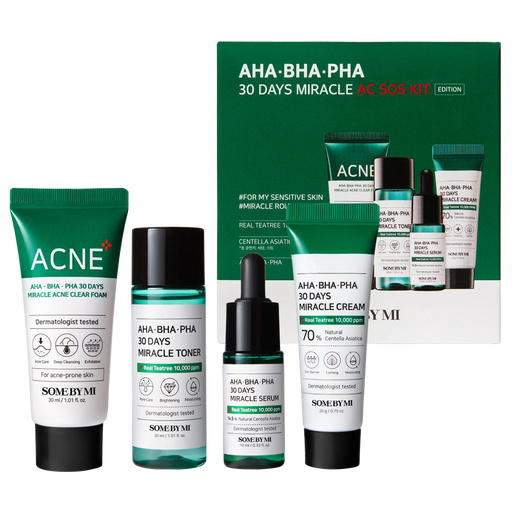
Why This Fits Their Persona: A mini four-step routine suits first-time buyers, short trips and shoppers who want to try a complete Korean exfoliating skincare routine before committing to larger sizes.
The four products are supplied in travel-sized formats, making it easier to assess tolerance without immediately buying multiple full-size items.
Includes cleanser, toner, serum and cream, with tea tree water, centella, panthenol and hyaluronic acid listed in the product information.
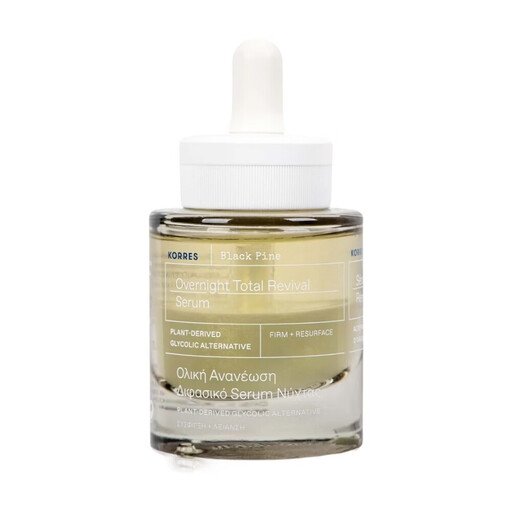
Why This Fits Their Persona: This dual-phase overnight serum is suited to shoppers prioritising a richer texture, hydration and a resurfacing step within an evening routine.
The product instructions identify it as a dual-phase formula, so shaking is part of the preparation rather than an optional marketing detail.
Contains lactic acid, plant-derived ingredients, squalane and hyaluronic acid derivatives in a 30ml serum format.
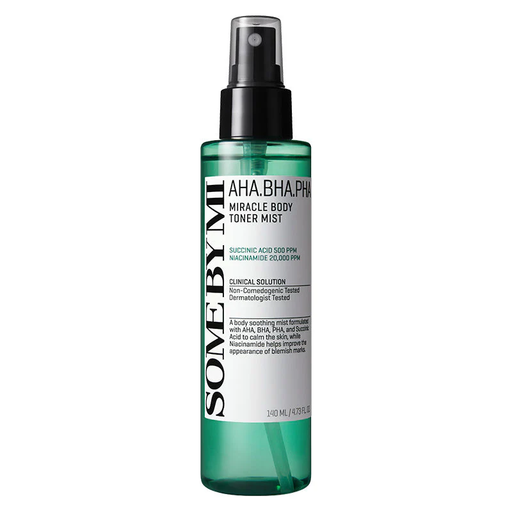
Why This Fits Their Persona: Designed for body areas such as the back, chest, shoulders and legs, it suits shoppers looking for targeted body acne toner rather than facial-only care.
The 360-degree spray design is intended to reach awkward areas, reducing the need to stretch or use cotton pads across the back.
Lists gluconolactone, citric acid, succinic acid and salicylic acid, with niacinamide and centella asiatica extract.
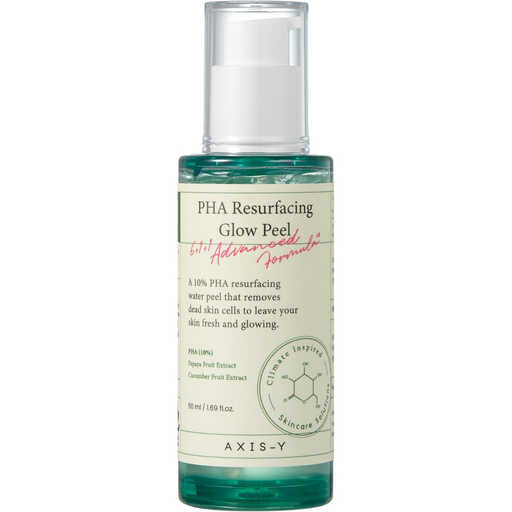
Why This Fits Their Persona: A PHA-based peel may suit shoppers who want a weekly resurfacing step and prefer a single rinse-off product rather than a multi-acid daily routine.
The product specifies a 10% gluconolactone formula and a 10–15-minute application before rinsing, giving the routine a clearly defined contact time.
Contains gluconolactone alongside glycerine, cucumber extract and centella asiatica extract in a 50ml gel-water texture.
We have compiled a complete, real-time list of products that fully satisfy these strict selection criteria and UK safety regulations.
Start with one exfoliating product rather than layering several acids. Use it according to the label, apply a moisturiser afterwards and keep other potentially irritating products simple while your skin adjusts.
For oily or combination skin, BHA may be useful for a congested T-zone. For dull surface texture, an AHA product may be more relevant. If your priority is a gentler weekly treatment, consider a PHA exfoliant. People dealing with persistent or painful skin concerns should seek advice from a qualified healthcare professional rather than relying on cosmetic products alone.
Some products combine all three, but that does not mean every skin type should layer separate AHA, BHA and PHA products. Begin with one formula, use it less frequently than the maximum directions if needed and monitor your skin’s response.
Follow the product label. Beginners may start once or twice weekly, especially with leave-on formulas. A product designed for daily use can still be too frequent for reactive skin. Reduce use if you experience persistent tightness, redness or stinging.
Yes. AHA, BHA and PHA products can increase sensitivity to sunlight. Apply broad-spectrum sunscreen during the day, reapply as directed and limit prolonged exposure. This is particularly important when using glycolic acid skincare, facial peels or stronger resurfacing treatments.