
24/7 Customer Support

Free returns

Same-day & Next-day Delivery

Quality Guaranteed

Unlock Your Welcome Offers: FREE Delivery | Up to 80% OFF | Free 30-day JoyPlus trial
Download the APP
If your skin feels congested, oily, rough or dull, AHA BHA PHA skincare can appear to offer a straightforward solution. Yet choosing an acid product based only on a high percentage, attractive packaging or a “miracle” claim can lead to wasted money and uncomfortable irritation.
The right choice depends on your skin concern, the product format and how often you can use it consistently. This guide explains the practical differences between AHA, BHA and PHA products, highlights common buying traps and compares suitable options for different routines.
A strong formula is not necessarily a better match for oily or blemish-prone skin. High-strength resurfacing products may be difficult to introduce gradually, particularly if you already use retinoids, vitamin C or other exfoliating products.
Check the acid type, concentration, pH and directions for use together. A rinse-off peel used once or twice weekly has a different role from a leave-on exfoliating toner.
Facial exfoliating toners are not automatically practical for shoulders, backs or legs. Body skin may need a larger format or a spray nozzle that can reach difficult areas. If you are looking for a body acne toner, check that the product is specifically labelled for external body use.
Fruit extracts, essential oils and botanical ingredients can complement a formula, but they do not determine how your skin will tolerate an exfoliant. Review the complete ingredient list and note potential irritants such as fragrance, essential oils or denatured alcohol if your skin is reactive.
A patch test is sensible before applying a new acid product to your full face or body.
AHAs, including glycolic and lactic acid, are water-soluble exfoliants that mainly work on the skin’s surface. They are commonly selected for uneven texture, dull-looking skin and rough patches. A glycolic acid toner can feel more active, while lactic acid products may suit shoppers seeking a milder resurfacing format.
Salicylic acid is the most familiar BHA in salicylic acid skincare. Because it is oil-soluble, it is often chosen for oily areas and the appearance of blocked pores. Look for the stated concentration where available, and avoid combining several BHA products at the same time when starting a routine.
PHAs such as gluconolactone and lactobionic acid have larger molecular structures than many AHAs. Products marketed as a PHA exfoliator may be suitable for shoppers who want gradual smoothing with a more hydration-focused formula. However, “gentle” does not mean irritation-free, so frequency still matters.
For daytime routines, use broad-spectrum sunscreen. Exfoliation can increase sensitivity to sunlight, and UK weather does not eliminate UV exposure.
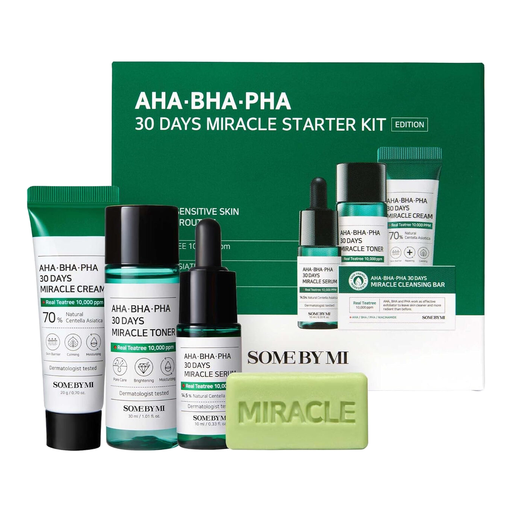
Why This Fits Their Persona: Mini cleanser, toner, serum and cream sizes offer a practical way to build a travel routine or assess compatibility before buying larger formats.
The compact format avoids committing to multiple full-size products before you know whether a triple-acid routine suits your skin.
Four coordinated steps; portable mini sizes; includes moisturising products alongside exfoliating steps.
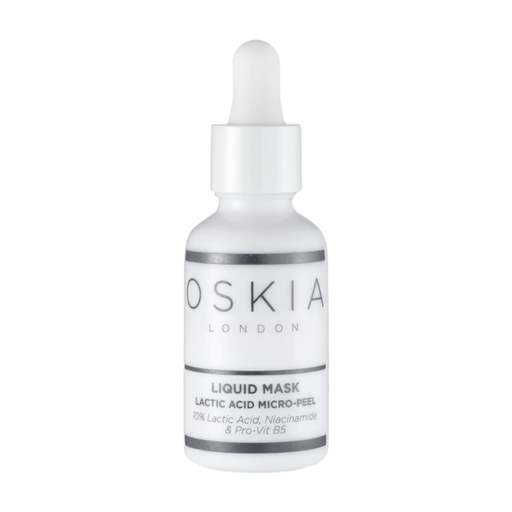
Why This Fits Their Persona: A compact lactic-acid mask suits shoppers who prefer a measured weekly treatment rather than daily toner application.
The rinse-off format and stated five-to-ten-minute application window make contact time easier to control than an intensive leave-on peel.
Lactic acid formula; includes panthenol and sodium hyaluronate; 30ml format is convenient for travel.
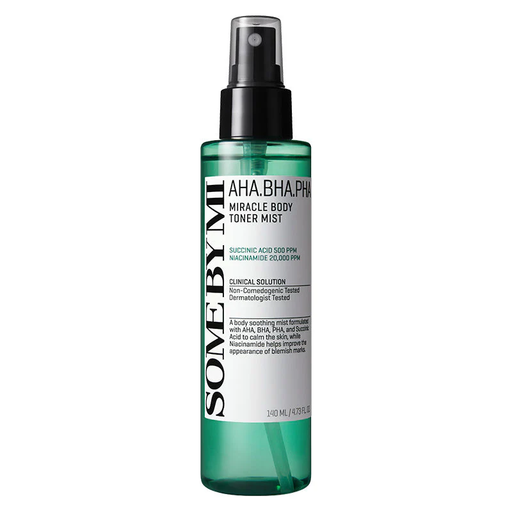
Why This Fits Their Persona: Designed for body areas such as the back, chest, shoulders, arms and legs, it is suited to shoppers managing larger or hard-to-reach areas.
The rotatable spray nozzle addresses the common problem of applying a toner evenly to the middle of the back.
Body-specific spray format; contains AHA, BHA, PHA and niacinamide; can be applied after showering without rinsing.
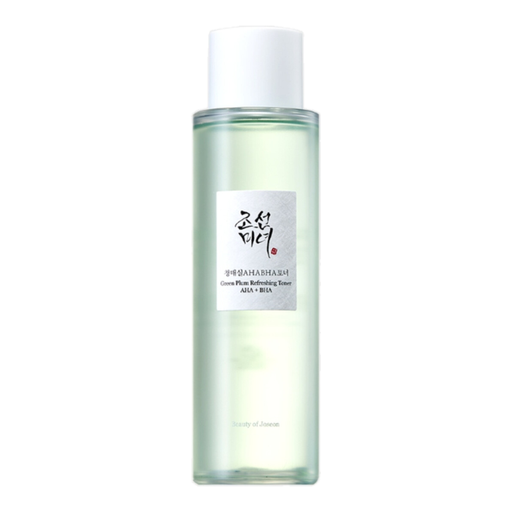
Why This Fits Their Persona: The water-light toner format is convenient for oily or combination skin that needs a straightforward evening exfoliating step.
The directions specify once-daily use, helping prevent the over-application that can occur with twice-daily marketing instructions.
Contains stated 3% glycolic acid and 0.5% salicylic acid; 150ml size; designed as a leave-on toner.
Start with one acid product rather than combining an exfoliating toner, peel and serum immediately. Apply it to clean, dry skin as directed, then follow with a plain moisturiser. If your skin remains comfortable, maintain the recommended frequency before considering any increase.
Avoid applying acids to broken, sunburned, inflamed or eczema-affected skin. Do not use several products containing the same exfoliating ingredient without checking the combined routine. Stop if you experience persistent redness, swelling, itching or burning, and seek medical advice if symptoms continue.
For a broader comparison of BHA, salicylic acid and related options, browse the BHA skincare range.
We have compiled a complete, real-time list of products that fully satisfy these strict selection criteria and UK safety regulations.
Some products are formulated with all three, but that does not mean every acid should be layered separately. Begin with one product, follow its directions and monitor how your skin responds. Avoid combining multiple leave-on exfoliants when you are new to acids.
Follow the label rather than assuming daily use is appropriate. Sensitive skin may need once-weekly or alternate-day use, while a mild toner may be designed for more frequent application. Reduce use if your skin feels tight, stings or becomes visibly irritated.
Yes. Check the packaging for the period-after-opening symbol, expiry information and storage instructions. Keep bottles and jars closed, away from heat and direct sunlight, and replace products if their colour, smell or texture changes unexpectedly.