
24/7 Customer Support

Free returns

Same-day & Next-day Delivery

Quality Guaranteed

Unlock Your Welcome Offers: FREE Delivery | Up to 80% OFF | Free 30-day JoyPlus trial
Download the APP
Powered wearable technology can look impressive on a product page, but the right choice depends on practical details rather than headline claims. Hikers, walkers and all-terrain users need to consider fit, battery planning and terrain suitability. Older adults, people with reduced mobility and carers also need stable bathroom equipment that supports safer, more comfortable routines.
The following buying guide highlights common purchasing traps, explains the specifications worth checking and matches selected products to different use cases.
A 1000W leg assist figure may attract attention, but motor output alone does not explain how a wearable exoskeleton will feel during walking. Range, total weight, control modes, battery configuration and adjustment options also affect day-to-day use.
A high-output robotic exoskeleton may be unsuitable if it is uncomfortable over longer walks or difficult to adjust over outdoor clothing. Compare the complete specification rather than selecting solely by wattage.
A stated range is usually dependent on conditions such as terrain, user weight, gradient, assistance level and battery condition. Steep paths and frequent changes in intelligent modes may use more power than steady walking on level ground.
For longer routes, check whether the model uses one or two batteries, whether the batteries are removable and how charging fits into your routine. A long-range exoskeleton can be useful, but route planning remains important.
A wearable mobility support device must sit securely without restricting natural movement. Poor adjustment can lead to pressure points, movement between the device and body or reduced confidence on uneven ground.
The same principle applies to a shower seat. A narrow seat, unsuitable height or slippery feet can make bathroom use less comfortable. Check the user’s height, available bathroom space, maximum supported weight and whether back and arm rests are required.
For outdoor users, compare:
A hiking exoskeleton should also be assessed for overall weight and packability. If it is difficult to transport or charge, the device may be left at home rather than used consistently.
Look for clear adjustment points around the waist, thighs and legs. The device should remain secure without creating uncomfortable pressure. Check the listed size range and follow the fitting instructions before using it outdoors.
For people with reduced mobility, consider whether assistance is available during setup. A carer may need to help with fitting, charging or storage.
For a height-adjustable shower chair, check the complete dimensions rather than just the seat height. The Croydex model measures H59–79 × W43 × L53cm, with a sitting area of 340 × 420mm.
Useful features include:
Always check that the seat fits without obstructing the shower, doors or other bathroom equipment. Follow the supplied assembly and care instructions, and inspect feet, fixings and adjustment points regularly.
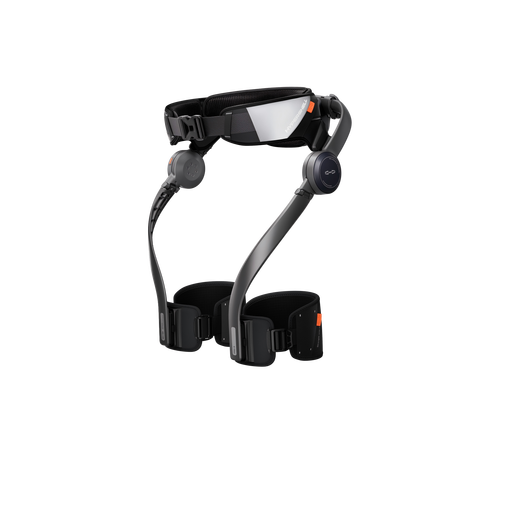
Why This Fits Their Persona: Its stated 800W leg assist, 17.5km range and lightweight positioning make it a practical starting point for walking, shorter hikes and occasional outdoor adventures.
It presents a defined range and mode count, helping shoppers compare practical capacity instead of relying only on a large motor-power figure.
800W leg assist; 10 intelligent modes; listed for hiking, walking and outdoor activities.
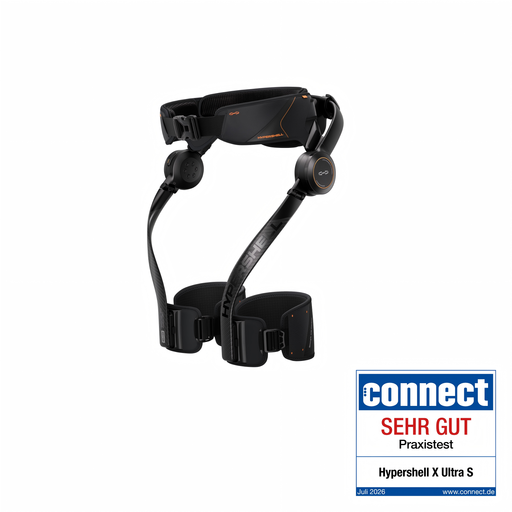
Why This Fits Their Persona: Designed for users who prioritise extended outdoor use, this model lists 1000W leg assist, dual batteries and up to 60km total range.
The dual-battery specification gives shoppers a clearer basis for planning longer routes, while the stated modes provide more detail than power output alone.
1000W leg assist; dual batteries; 12 intelligent modes; stated total range up to 60km.
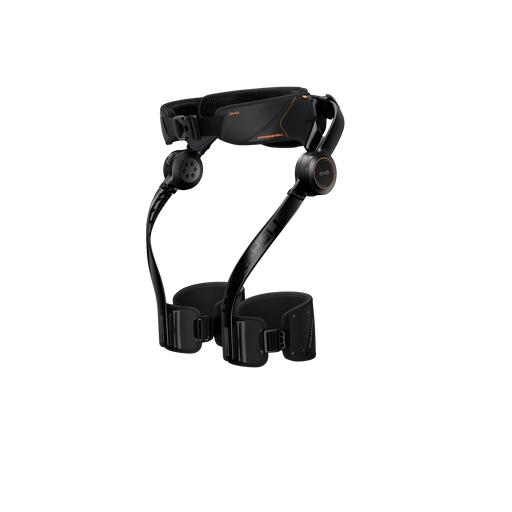
Why This Fits Their Persona: This option is aimed at users comparing stronger assistance for hiking, walking and all-terrain routes, with 1000W leg assist and a stated 30km range.
The stated 30km range sets a more specific expectation than an unrestricted long-range claim, making it easier to compare with planned routes.
1000W leg assist; 30km stated range; 10 intelligent modes; all-terrain positioning.
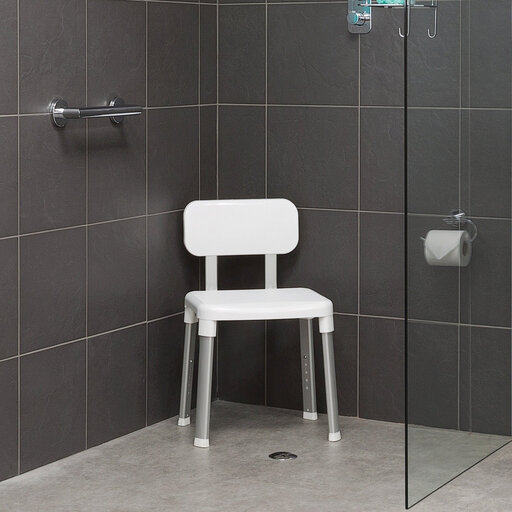
Why This Fits Their Persona: A practical choice for older adults, people with reduced mobility or carers seeking a stable, height-adjustable shower seat with a larger sitting area.
Its listed dimensions, height range and user limit help buyers check suitability before purchase instead of relying on generic bathroom-support descriptions.
Back and arm rests; 425–525mm seat-height adjustment; slip-resistant rubber feet; 100kg listed user limit.
We have compiled a complete, real-time list of products that fully satisfy these strict selection criteria and UK safety regulations.
Suitability depends on the user’s mobility, balance, fitness, route and ability to fit and operate the device. Start with the manufacturer’s instructions, use the lowest suitable assistance setting and practise in a controlled area before attempting uneven outdoor terrain. Users with medical or mobility concerns should seek appropriate professional advice before relying on powered equipment.
Battery duration varies with assistance level, terrain, user weight, temperature and route conditions. Compare the stated range with your typical journey and allow a sensible reserve. Dual-battery models may suit longer outings, but both charging requirements and replacement-battery availability should be checked.
Keep the seat clean and dry between uses, check that all feet remain firmly attached and inspect adjustment points for looseness or damage. Do not exceed the listed user limit. If the frame, seat or rubber feet show signs of wear, stop using the product until the issue has been resolved.