
24/7 Customer Support

Free returns

Same-day & Next-day Delivery

Quality Guaranteed

Unlock Your Welcome Offers: FREE Delivery | Up to 80% OFF | Free 30-day JoyPlus trial
Download the APP
Navigating the world of wearable technology can feel like walking through a minefield of marketing hype. This is especially true for AI translation glasses, a category promising to break down language barriers and boost productivity. Yet, many early adopters in the UK find themselves with expensive gadgets that fail to deliver on their core promises. As a Joybuy Product Recommendation Officer, my role is to help you see past the sales pitch and focus on what truly matters.
Before you invest, be aware of the common pitfalls that lead to buyer's remorse. Understanding these traps is the first step toward making a smart purchase.
To find a pair of smart audio glasses that genuinely enhances your life, you need to look beyond the headline features. Here are the core parameters to scrutinise.
The heart of any real-time translator glasses is its software and connection stability. Don't just look at the number of languages; ask about the engine powering the translation. Furthermore, the connection to your smartphone is critical. Look for devices equipped with Bluetooth 5.3, which offers a more stable, lower-latency connection, reducing the awkward pauses during a conversation. This ensures the audio and translation sync properly, making the experience feel more natural.
A wearable device is only useful if you can actually wear it comfortably. Pay close attention to:
The latest generation of smart glasses moves beyond simple translation to become a true wearable AI assistant. Models that integrate with platforms like ChatGPT, Gemini or Claude can answer questions, draft emails and summarise information on the go. For professionals, features like "AI Note" for recording and summarising meetings can be a significant productivity booster, transforming the glasses from a travel accessory into an essential business tool.
Instead of a one-size-fits-all approach, we've matched our recommendations to specific user needs. This ensures you get a device that fits your lifestyle, not the other way around.
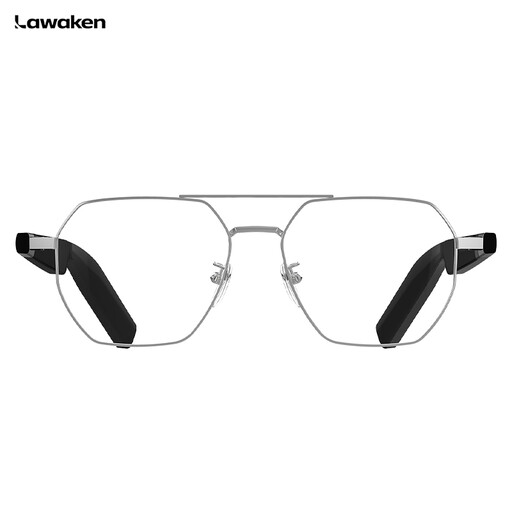
Why This Fits Their Persona: For those constantly moving between countries, this model combines a classic, discreet style with powerful functionality. It's designed for long-haul journeys and navigating foreign cities, where reliable translation and long battery life are paramount. The Aviator style is universally accepted and doesn't scream "tech gadget."
It directly addresses the comfort and battery life pitfall. With a lightweight frame (33g) and a 12-hour active usage time, it’s built for a full day of use. The specified support for 128 languages provides clarity over vague claims.
Its main advantage is the seamless integration of translation, calls and AI assistance in a conventional, stylish form factor. It is also compatible with prescription lenses.
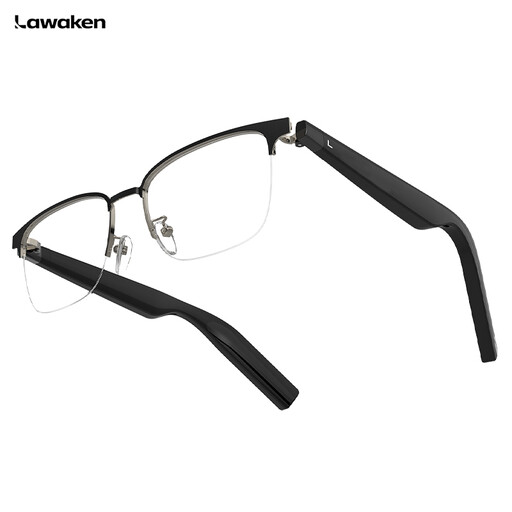
Why This Fits Their Persona: This model is for the professional who sees smart glasses as a business tool. The "AI Note" feature for meeting summaries and hands-free access to ChatGPT, Gemini and Claude are designed to streamline workflows. The sleek titanium frame fits perfectly in a corporate environment.
It sidesteps the "hidden costs" trap by offering specific, high-value AI functions like meeting summaries as part of its core offering. This isn't a gimmick; it's a defined productivity feature that justifies the investment.
The standout advantage is its focus on productivity. The ability to record, transcribe and summarise meetings hands-free is a powerful tool for busy professionals. It also supports connection to two phones simultaneously.

Why This Fits Their Persona: Not everyone is ready for smart glasses. For those who prefer a more conventional form factor, these earbuds offer a gateway into AI translation. They are perfect for listening to music, taking calls and using translation features without the commitment of wearing glasses.
This product avoids the ergonomic trap of bulky glasses by using a familiar, lightweight (3.5g per bud) semi-in-ear design. It provides AI functionality without forcing a change in personal style or eyewear.
Its versatility is the key advantage. It functions as a high-quality audio device with adaptive noise cancellation, while also providing AI translation when needed. The LED smart screen on the case is a unique, practical feature.
For those who need dedicated, high-fidelity recording and transcription, we have compiled a complete list of devices that satisfy strict selection criteria and UK safety regulations.
Yes, many modern prescription smart glasses are designed specifically for this. The frames are built to allow a qualified optician to replace the dummy lenses with your custom prescription lenses, including single-vision, bifocal or varifocal options. Always check the product specifications for "Prescription Lenses Compatible" and consult your optician before purchasing.
This varies by model. Most rely on a cloud-based engine via your smartphone's internet connection for the highest quality and widest language support. However, some premium models offer limited offline translation for a select number of major languages. This is a critical feature for travellers who may face unreliable connectivity. If offline use is important to you, verify this capability before buying.
Battery life is a crucial factor. You should look for the "active use" time in the product details. A good benchmark for a reliable pair is between 8 to 12 hours of continuous use, which covers activities like listening to music, taking several hours of calls and using translation features. Standby time is often much longer (several days), but the active usage figure is what matters for real-world performance.