
24/7 Customer Support

Free returns

Same-day & Next-day Delivery

Quality Guaranteed

Unlock Your Welcome Offers: FREE Delivery | Up to 80% OFF | Free 30-day JoyPlus trial
Download the APP
Navigating international business meetings or exploring a new country can be challenging when language barriers get in the way. While smartphone apps have been a temporary fix, fumbling with your phone is often slow, awkward and breaks the natural flow of conversation. The demand for a more fluid solution has led to the rise of the dedicated AI translator device, a new generation of smart technology designed for seamless communication.
This guide is designed to help you understand the key features to look for in a modern wearable translator. We will explore different types of devices and provide practical advice to help you choose a model that fits your specific needs, whether for business, travel or daily convenience.
Before diving into specific models, consider these factors to help narrow down your search.
The first decision is how you want to wear your technology. AI smart glasses integrate translation with your field of view, sometimes offering augmented reality (AR) features like on-screen directions or notifications. They are an excellent choice for those who want a multi-functional, hands-free translator that also provides visual information. In contrast, translation earbuds offer a more discreet experience, focusing purely on audio. They are lightweight, often unnoticeable and ideal for users who prioritise clear audio communication in meetings or one-on-one conversations.
A translator is only as good as its ability to understand and translate accurately. Look at the number of languages supported and whether the device offers real-time language translator capabilities, which minimises delays in conversation. Most devices rely on a stable Bluetooth connection to your smartphone to access powerful cloud-based AI engines. A device with Bluetooth 5.3 or higher will generally provide a more reliable and energy-efficient connection.
Many modern AI devices are more than just translators. Some models, often referred to as ChatGPT glasses, integrate advanced AI assistants that can answer questions, summarise meetings or control other smart functions. Features like open-ear audio for music and calls, built-in cameras for recording and compatibility with prescription lenses can add significant value, turning a single-purpose gadget into an all-day wearable companion.
Based on our analysis of current market offerings, here are some standout options that cater to different user needs.

Why It Stands Out: The LAWK ONE is a powerful hybrid device built for the active user. It combines AR visual aids with AI functionality, making it a versatile tool for both sports and travel. The built-in camera and AR Head-Up Display (HUD) for navigation set it apart from audio-only devices.
Pros:
Who is it for? This is an ideal choice for cyclists, hikers and outdoor enthusiasts who want a rugged, multi-purpose device that enhances their activities while providing reliable translation and smart features.
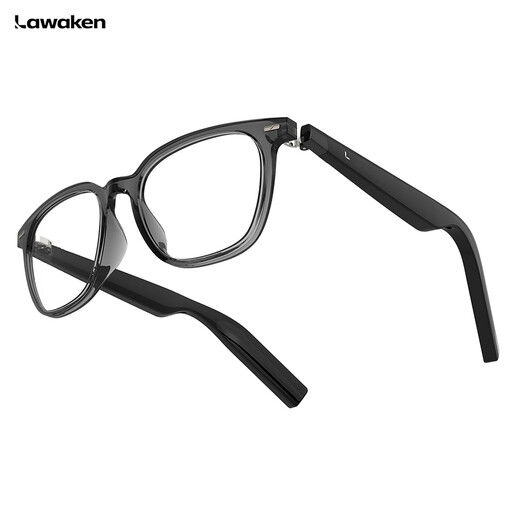
Why It Stands Out: The AI Chat City glasses are tailored for the urban professional and frequent traveller. Their strength lies in extensive language support and productivity-focused features, all packed into a lightweight, classic frame.
Pros:
Who is it for? Business professionals, international delegates and anyone who needs a powerful, discreet translation and productivity tool for daily use in a variety of settings.

Why It Stands Out: The VoxorAI C6 is a specialised translation earbuds set that prioritises one thing: clear and fast audio translation. By focusing on a single core function, it offers extensive language support in a secure, comfortable ear-hook design.
Pros:
Who is it for? Individuals who require a highly reliable and discreet audio-only translator for business negotiations, language learning or immersive travel conversations.
The world of smart wearables is constantly expanding. If the options above aren't quite what you're looking for, or if you're interested in devices focused more on high-fidelity audio, you may find other suitable products in our broader collection.
Explore our curated selection of Music Players and other smart audio devices to discover more options.
1. How does a real-time language translator work? Most wearable translators use built-in microphones to capture speech. This audio is sent via a Bluetooth connection to an app on your smartphone, which processes it using a cloud-based Artificial Intelligence (AI) engine. The AI translates the speech into the target language and sends it back to your device's speaker or earphone, typically within a few seconds.
2. Are AI smart glasses legal to use in the UK? Generally, yes. Wearing and using smart glasses for personal activities like navigation, translation and listening to music is legal in the UK. However, privacy is a key consideration. Using any device with a camera to record people without their consent can raise legal and ethical issues. It is always important to be mindful of your surroundings, respect the privacy of others and adhere to any specific rules in private establishments. Products with a UKCA mark, like the LAWAKEN models, have been assessed to meet UK safety, health and environmental protection requirements.
3. Do I need a subscription for the translation service? This varies by manufacturer and device. Some devices may offer a basic level of translation for free, while more advanced features or a higher volume of translations might require a data plan or a subscription to the AI service. Always check the product details and manufacturer's terms to understand any potential ongoing costs before making a purchase.