
24/7 Customer Support

Free returns

Same-day & Next-day Delivery

Quality Guaranteed

Unlock Your Welcome Offers: FREE Delivery | Up to 80% OFF | Free 30-day JoyPlus trial
Download the APP
For professionals and travellers in the UK, the promise of AI translator glasses is immense: seamless conversations on a business trip to Tokyo, effortless navigation through a market in Marrakesh and hands-free productivity on the go. However, the reality of this emerging technology can be fraught with disappointment. Many early adopters find themselves with a gadget that overpromises and under-delivers.
As the Joybuy Product Recommendation Officer, my role is to help you sidestep the marketing hype. Before you invest, be aware of the common pitfalls that can turn a futuristic dream into a frustrating purchase.
To ensure you get a capable and reliable wearable AI assistant, focus on these core specifications. They are the true indicators of performance, far more than a long list of flashy but unproven features.
The heart of any real-time translation device is its software. Don't just look at the number of languages supported; investigate the AI engine behind the translation. Modern glasses with ChatGPT, Gemini, Claude or other advanced AI models integrated tend to provide more contextually aware and nuanced translations. A device that leverages multiple AI agents can offer greater accuracy and flexibility than one relying on a single, proprietary system. This is the difference between a simple word-for-word dictionary and a true conversational partner.
Smart audio glasses use an open-ear headphones design, which directs sound to your ears without blocking them. This is crucial for safety and awareness. However, the quality can vary dramatically. Look for specifications that mention dual speakers for balanced stereo sound and dual microphones with noise-cancellation technology. This setup is essential for clear Bluetooth glasses for calls, ensuring the person on the other end hears you, not the ambient noise of your surroundings.
A stable connection is non-negotiable. Look for devices equipped with Bluetooth 5.3, which offers a more reliable, faster and energy-efficient connection to your smartphone compared to older versions. For battery life, ignore vague claims and look for specific usage hours. A good benchmark is 8-12 hours of continuous use. Finally, consider the materials. Frames made from lightweight materials like TR90 or titanium offer durability without adding uncomfortable weight, making them suitable for all-day wear. An IPX4 water resistance rating is also a practical feature, providing protection against light rain and sweat.
Instead of a one-size-fits-all approach, we've matched some promising options to specific user needs.
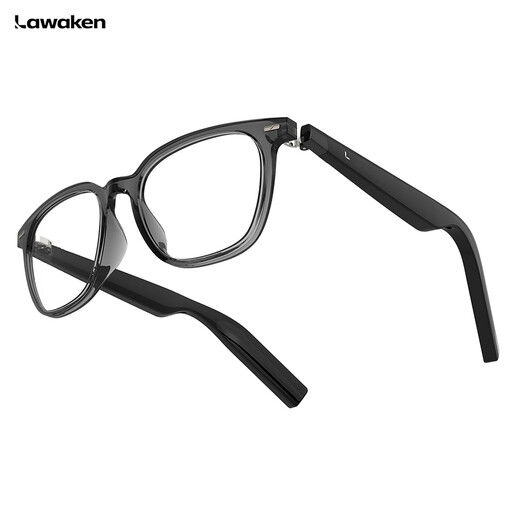
Why This Fits Their Persona: The classic, understated frame is suitable for any professional setting. Its core features, like the AI Note function for summarising meetings and hands-free calls, are designed to enhance productivity for the busy UK professional.
It tackles the poor audio pitfall with a dual-speaker and dual-microphone system. The integration with multiple AI agents (ChatGPT, Gemini and Claude) suggests a more robust and less laggy translation and assistance experience.
A stated 12-hour usage time addresses battery anxiety, while the lightweight 33g frame ensures all-day comfort. It is also compatible with prescription lenses.
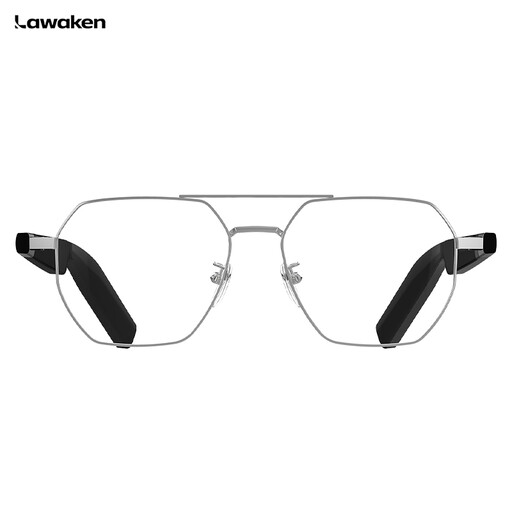
Why This Fits Their Persona: The iconic Aviator style is perfect for the globetrotter. With a primary focus on real-time translation across 128 languages, this model is built for breaking down communication barriers while travelling for business or leisure.
It directly addresses the translation lag pitfall by highlighting its multi-language AI capabilities. The open-ear audio design is crucial for maintaining situational awareness in busy airports and unfamiliar city streets.
The modular design allows for interchangeable frames and is compatible with prescription lenses, making it a practical, all-in-one eyewear solution for travellers who need corrective vision.

Why This Fits Their Persona: For those who want their tech to be a fashion statement, the timeless tortoise shell pattern offers a stylish alternative to standard black frames. It integrates the functionality of a wearable AI assistant into an accessory that complements a modern lifestyle.
This model avoids the "bulky and impractical" design pitfall. The use of lightweight TR90 material and a classic frame shape ensures it looks and feels like premium eyewear, not a cumbersome piece of tech.
It offers the same powerful AI and audio features as other Lawaken smart glasses but in a more fashion-forward package. The IPX4 water resistance adds a layer of practical durability for everyday use in the UK.
We have compiled a complete, real-time list of products that fully satisfy these strict selection criteria and UK safety regulations.
This varies between models, but you should look for devices that offer a minimum of 8 hours of typical use to get you through a standard workday or travel day. For instance, the Lawaken smart glasses models specify up to 12 hours of use or 5 days on standby from a full charge, which typically takes about an hour. Always check the manufacturer's stated usage time, not just the standby time.
Many modern designs are now compatible with prescription lenses. Models that are "prescription-ready" allow you to take the frames to a professional optician to have your custom lenses fitted. This is a critical feature for anyone who wears glasses daily. Before purchasing, always confirm in the product specifications that it is "Prescription Lenses Compatible."
The term "real-time" in this context usually means a very minimal, near-instantaneous delay. The actual performance depends on the device's processing power, the AI engines it connects to and the stability of its Bluetooth connection to your phone. Models that leverage multiple, well-known AI agents tend to offer more fluid and contextually accurate translations than simpler, less powerful devices.