
24/7 全天候客户支持

免费退货

当日/次日达

品质保障

开启新人专享福利: 全场免邮 | 低至 2 折 | 免费试用 30 天 JoyPlus 会员
下载 Joybuy
A garden watering system can save time, but choosing the wrong controller may create new problems: missed watering cycles, unreliable app connections or fittings that leak at the tap. Before buying an Aiper IrriSense 2 smart irrigation controller, it is worth separating useful specifications from broad marketing claims.
This guide explains the main buying pitfalls, the technical details that matter for UK gardens and which product configuration may suit your lawn, borders, vegetable patch or drip irrigation system.
A weather-adaptive watering system normally depends on weather data, an app connection and a correctly configured schedule. A controller may pause watering when rain or freezing conditions are detected, but it does not replace sensible setup. Forecast accuracy, local conditions, soil type and plant requirements still affect results.
Treat weather adjustment as an additional control feature rather than a guarantee that every plant will receive precisely the right amount of water.
Some buyers see “Wi-Fi and Bluetooth” and assume the controller will work equally well anywhere outdoors. In practice, Wi-Fi models may require a suitable 2.4GHz network, while Bluetooth is generally more useful when you are close to the device.
Check the distance between your router and outdoor tap, wall thickness and garden layout before ordering. A weak signal can make an app-controlled garden irrigation setup inconvenient, particularly if the controller is installed at the far end of a property.
A smart controller cannot correct poor hose routing, blocked emitters or unsuitable sprinklers. Your water pressure, tap thread, hose diameter and irrigation layout all influence performance.
A controller may fit a standard tap, but you should still confirm the connection and pressure requirements in the instructions. For freezing conditions, disconnecting and draining the device is important because water left inside the valve may expand and cause damage.
For remote scheduling, look for clear information about Wi-Fi frequency, Bluetooth availability and mobile operating-system support. The Aiper IrriSense 2 specification lists Wi-Fi at 2.4GHz, Bluetooth and an Aiper mobile app for iOS and Android.
This combination supports local Bluetooth setup and remote changes through Wi-Fi, provided the network and app are working correctly. It is useful for homeowners who want to adjust automatic lawn watering while at work or away from home, but it should not be treated as an offline control system.
A useful smart watering system should let you create schedules suited to different areas. Lawns, flower beds, vegetable gardens and drip lines do not necessarily need the same frequency or duration.
The IrriSense 2 description states that it connects to local weather forecasts and can pause watering during rain or freezing conditions. It also provides customisable timers. When comparing products, check whether the controller offers separate schedules or zones, and whether the advertised weather feature relies on an internet connection.
The product listing refers to water saving of up to 50%. This is a maximum stated product figure, not a guaranteed result for every UK garden. Actual savings will depend on existing watering habits, rainfall, soil drainage and how the system is set up.
Look for a housing described as waterproof and UV-resistant, but do not assume this means the device can be submerged. Keep electrical connections dry, position the controller away from direct exposure where possible and keep any solar panel clean.
The listed IrriSense 2 model uses a built-in rechargeable battery charged by a solar panel. Solar charging can reduce the need for routine battery changes, although performance depends on available daylight and panel cleanliness. Before winter, disconnect the controller from the tap, drain the water and store it indoors if freezing temperatures are expected.
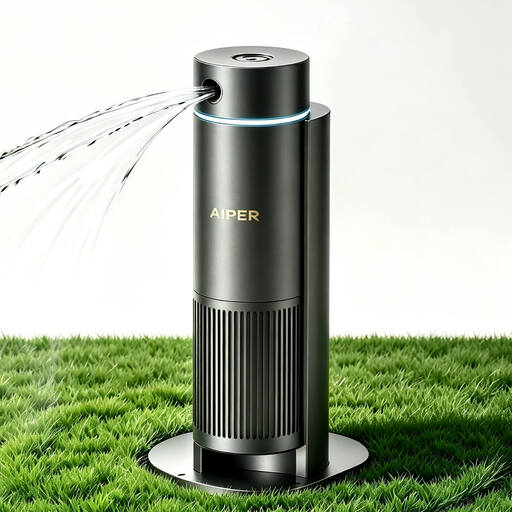
Why This Fits Their Persona: A practical starting point for a homeowner automating one standard outdoor tap, lawn or compact garden area without assembling a complex wired system.
It clearly lists Wi-Fi and Bluetooth control, weather adjustment and tap installation, helping buyers check the core requirements before purchase.
Mobile control via Wi-Fi or Bluetooth; customisable timers; described as suitable for lawns, gardens and drip systems.
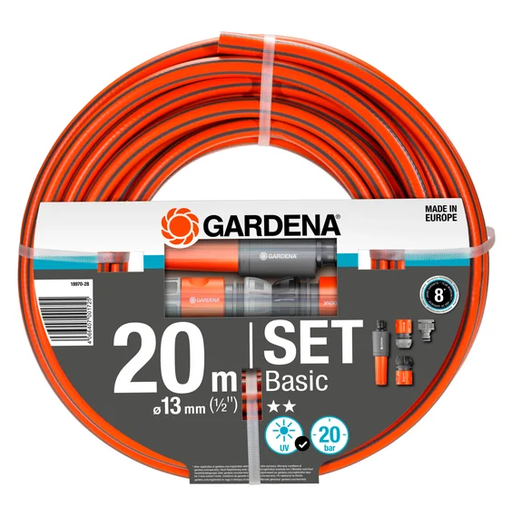
Why This Fits Their Persona: Suitable for buyers who want to pair automated watering with clearly specified hose and tap fittings for a straightforward garden layout.
The 13mm diameter, 20m length, tap adapters and connector contents are stated, reducing uncertainty about basic compatibility.
UV-resistant hose; supplied tap connector supports 21mm and 26.5mm threads; adjustable nozzle included.
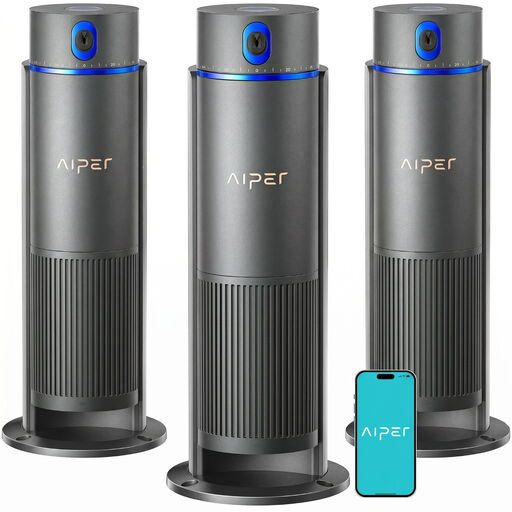
Why This Fits Their Persona: A multi-unit option for larger plots or households managing separate lawn, border and vegetable-growing areas.
Using multiple controllers can separate watering points, rather than forcing one schedule across plants with different needs. Confirm your tap and irrigation layout before buying.
Three controllers supplied; app control through Wi-Fi and Bluetooth; listed for gardens, lawns, flower beds, vegetable gardens and drip irrigation.
We have compiled a complete, real-time list of products that fully satisfy these strict selection criteria and UK safety regulations.
Before switching on an automatic watering schedule:
The product information describes a tool-free DIY installation on standard taps. You will still need compatible hoses, connectors or irrigation lines, and the system must be configured in the mobile app. Check the supplied instructions and your tap specifications before installation.
Solar charging depends on daylight, panel position and cleanliness. It may operate during dull conditions, but winter preparation remains important. Disconnect and drain the controller when freezing temperatures are expected, then store it indoors as advised.
The controller itself uses little ongoing energy when its rechargeable battery is maintained by the solar panel. Your main running cost is normally the water used. A weather-adaptive schedule may reduce unnecessary watering, but the actual saving depends on your garden design, local rainfall, water rates and settings.