What matters when choosing
Decide whether you need a comfortable breeze at a fixed chair or airflow that can move between positions. Then check how quietly, precisely and safely the fan can operate in that layout.
| Concern | What to check | Who this matters to |
|---|
| Quiet airflow |
Check the speed attached to any noise claim and whether lights or control sounds can be reduced. |
When I am concentrating at the chair, I want a gentle breeze that does not draw attention to the fan; around 40% of consumers would put quiet close-range use first. |
| Airflow direction |
Check horizontal movement, vertical tilt or oscillation, and the height in the configuration you would use. |
If the chair sits to one side of the fan, I need to direct air towards me or across the hobby area without moving the whole unit. Roughly 30% of consumers would prioritise aiming and coverage. |
| Placement and controls |
Measure the available surface or floor space and plan a clear cable route; check whether a remote or battery is included if you need one. |
With a crowded worktop and space to walk around the chair, I need a position that is convenient without putting the fan or cable in the way; around 30% of consumers would make practical placement their main concern. |
Joybuy products for chair-side use
These compact desk fans are options for a breeze beside a fixed chair. Check their airflow-direction controls if precise aiming or wider room circulation is important to you.
 No image available
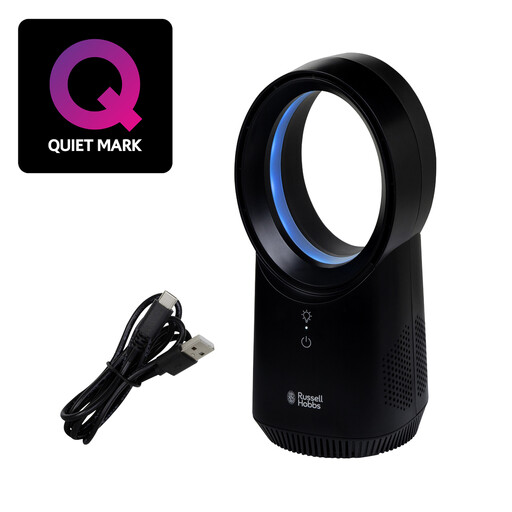
Russell Hobbs RHBLDLUSB25B black bladeless desk fan
A compact wireless option for a fixed chair beside a desk.
Three speed settings and USB charging are stated for this model. If precise chair-side aiming matters, confirm its airflow-direction controls; also check battery runtime and the supplied charging accessories.
View on Joybuy
 No image available
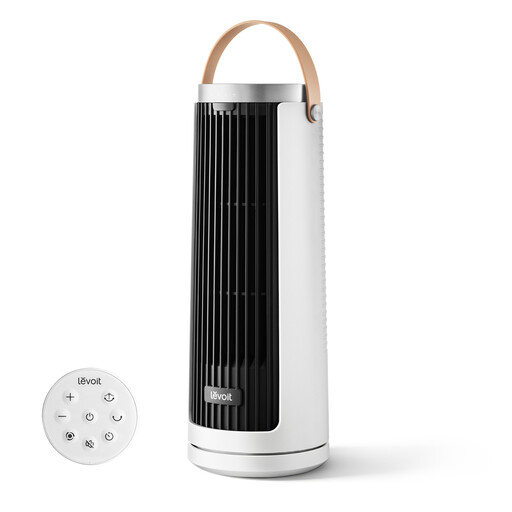
Levoit Windi Mini Plus tower fan
A portable desk option for airflow beside a chair.
USB Type-C recharging and multiple airflow modes are stated for this model. Check its speed and airflow-direction controls for your intended position, along with battery runtime and supplied charging accessories.
View on Joybuy
Frequently asked questions
Will an air circulator ventilate my hobby room or remove fumes?
No. An air circulator moves indoor air, while ventilation replaces stale indoor air with fresh outdoor air, as Energy Saving Trust explains. If your hobby produces fumes, moisture or persistent odours, assess suitable ventilation or extraction rather than relying on a fan.
Should I choose a desk fan or a pedestal model beside my chair?
A desk model suits a fixed chair with a stable nearby surface; a pedestal or convertible model is worth considering if the airflow must reach different heights or move between work areas. Check the footprint, direction controls and cable route in the position you intend to use.
Can I compare fan decibel claims directly?
Only if the figures use comparable settings and measuring conditions. Treat a manufacturer’s low-noise figure as a starting point, then check the speed it describes and whether the fan has controls suited to quiet seated use.
What electrical safety checks matter beside a hobby chair?
Plan a stable position and keep the cable out of walking and working routes. Electrical Safety First advises using a suitable UK three-pin fused plug, avoiding overloaded extension leads and not using a fan if its cable or casing is damaged.
Is CE marking acceptable for a fan sold in Great Britain?
Where CE marking applies to the product, GOV.UK says it continues to be recognised for products placed on the Great Britain market alongside or in place of UKCA marking. Requirements differ for Northern Ireland, so check the applicable market and the exact product documentation if buying for use there.


