Small-flat dust reducers
If airborne dust is the main concern, start with the room you use most rather than a claim for the whole flat. Look for a stated cleaning rate or coverage tied to an air-change rate so you can judge the room fit.


Choose an air purifier for the room where you spend the most time, using its stated clean air delivery rate (CADR) or a coverage claim that specifies air changes per hour. For a bedroom, weigh cleaning capacity against noise at the setting you would actually use, and check the correct replacement filter before buying. A purifier addresses airborne particles; it does not replace cleaning settled dust or ventilating the flat.
If airborne dust is the main concern, start with the room you use most rather than a claim for the whole flat. Look for a stated cleaning rate or coverage tied to an air-change rate so you can judge the room fit.
If the purifier will run near your bed, check its noise at the setting you expect to use. A quiet sleep mode matters, but so does the cleaning capacity available when you can tolerate a higher fan speed.
If dust-mite allergen is part of your concern, treat a purifier as one part of a wider routine. North West Allergy Network NHS guidance advises damp-dusting and vacuuming with a high-efficiency particulate air (HEPA) filter; a purifier cannot clean dust already settled in bedding or furnishings.
Start with cleaning capacity for your main room, then consider noise at a usable fan setting and the upkeep of the exact model.
| Concern | What to check | Who this matters to |
|---|---|---|
| Room-matched cleaning capacity | Compare particle CADR where stated. For an area claim, check the assumed air changes per hour and room conditions. | If dust is the main reason I am buying, I want the unit to clean air in my most-used room rather than rely on a whole-flat claim; roughly 42% of consumers would put room-matched capacity first. |
| Noise during use | Check which fan setting a noise figure describes, then consider cleaning capacity at a setting you can live with. | With the purifier close to my bed or desk, I need a tolerable setting I will actually use; around 33% of consumers would make operating noise their primary concern. |
| Filter and electricity upkeep | Identify the exact replacement filter and its stated change interval; check the model’s electricity-use information. | If I expect to run the purifier regularly, I want to know how often its filter needs changing and what the appliance uses in operation; about 25% of consumers would prioritise this upkeep. |
Coverage can change with the assumed air-change rate. Levoit describes the Core 300 as covering 80 m² once per hour or 40 m² twice per hour, so the larger figure alone does not describe the same cleaning frequency.
Compare stated CADR where available, and ask which air-change rate, ceiling height and fan setting an area claim assumes.
A purifier cannot remove dust already on surfaces, bedding or carpets. Those areas still matter when dust-mite allergen is a concern.
Pair the purifier with damp-dusting and HEPA vacuuming. Follow the relevant bedding-care instructions when washing covers.
Replacement filters differ by machine, so a maintenance plan for one model should not be carried over to another.
Identify the filter part for the exact purifier and check its stated replacement guidance before choosing.
A quoted sleep-mode figure applies to that mode, not necessarily to the fan setting you would use for more active cleaning.
Check the mode attached to each noise claim and compare it with the unit’s stated cleaning capacity.
Its Core 300 and Core 300S ranges are relevant to compact-room and bedroom searches.
The AC1715/30R1 is relevant if you want to consider a purifier with sensor-led automatic operation.
Its purifier-fan formats may interest consumers who also want that appliance form.
These room purifiers offer stated CADR figures to consider against the size of the room where airborne dust is the concern. Check each model’s operating noise and replacement filter separately; a stated area does not by itself establish how often the room air is cleaned.
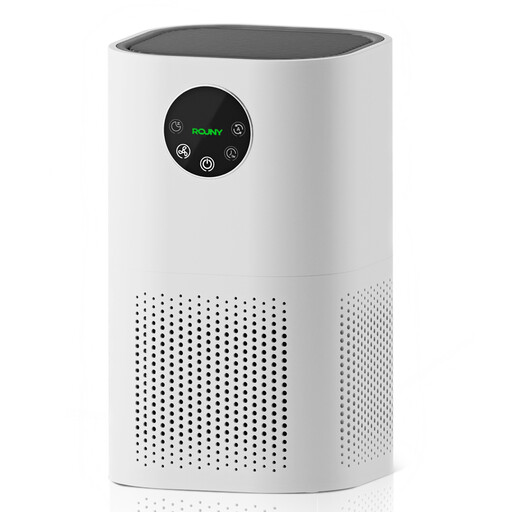 No image available
Consider this model for airborne dust in a room whose needs match its stated cleaning rate.
The title lists 20–50 m² coverage and a sleep mode rated at no more than 25 dB. Check the air-change basis of the area claim and the correct replacement filter.
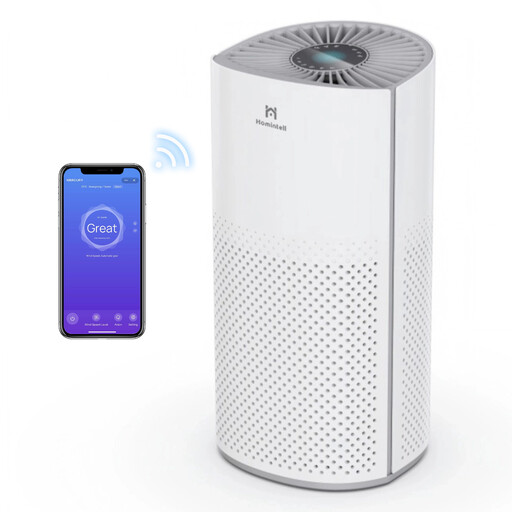 No image available
This is an option to assess for a main room if you want Wi-Fi control alongside a stated cleaning rate.
The title lists H13 HEPA and activated-carbon filters and describes 30 dB operation without identifying its fan setting. Confirm noise for the setting you would use, the coverage conditions and the correct replacement filter.
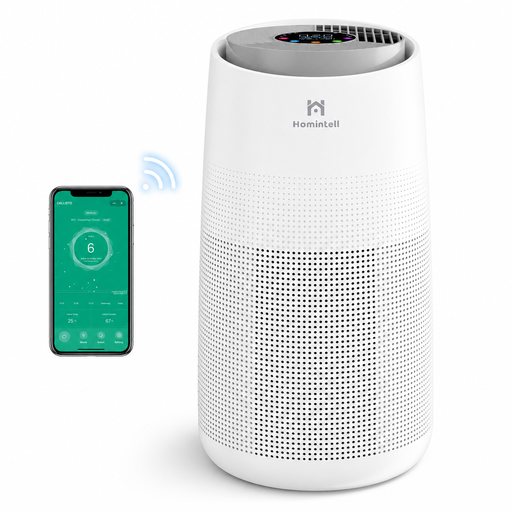 No image available
Consider its stated cleaning rate if your main room calls for more capacity, while allowing for the fan setting you can tolerate.
The title lists Wi-Fi control, H13 HEPA and activated-carbon filters, an 8-hour timer and 36 m² coverage. Check the coverage conditions, operating noise and correct replacement filter for this variant.
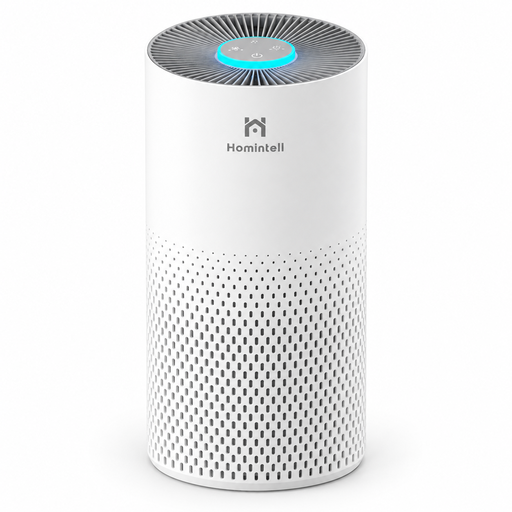 No image available
This is a smaller-room option to assess against the room’s size and your preferred fan setting.
The title lists HEPA and carbon filters, touch control and an 8-hour timer. Confirm the air-change basis of the coverage claim, noise at the setting you expect to use and the correct replacement filter.
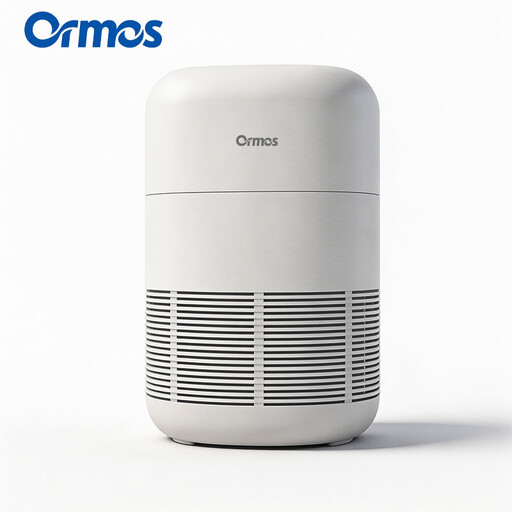 No image available
Consider it for a bedroom or living room after matching its stated cleaning rate to the space.
The title lists an activated-carbon filter, TVOC and PM2.5 sensors, and sleep and automatic modes. Check noise at the intended setting and the compatible replacement filter.
No. An air purifier addresses particles suspended in air, not dust settled on bedding, carpets or surfaces. For house-dust-mite control, North West Allergy Network NHS guidance advises damp-dusting, weekly vacuuming with a HEPA-filter vacuum and washing suitable bedding and covers at 60°C.
No. An air purifier does not replace the exchange of indoor air with fresh air. UK government home-ventilation guidance advises keeping ventilation routes functional, including leaving trickle vents open and unobstructed where they are fitted.
Follow the replacement guidance for your exact machine and filter. Dyson recommends changing filters when the machine alerts you and gives a 12-month recommendation for one listed compatible filter; that interval should not be assumed for other models.