
24/7 Customer Support

Free returns

Same-day & Next-day Delivery

Quality Guaranteed

Unlock Your Welcome Offers: FREE Delivery | Up to 80% OFF | Free 30-day JoyPlus trial
Download the APP
Alcohol-free drinks can make weekday meals, social gatherings and designated driving easier, but the shelf labels are not always as straightforward as they appear. Terms such as alcohol-free, non-alcoholic, 0.0% and low alcohol can describe different products, while pack sizes and nutrition figures vary considerably.
This guide explains the practical checks that can help UK shoppers avoid paying for the wrong format, flavour or alcohol level.
A product marked 0.0% ABV is designed to contain no more than a very small trace of alcohol, subject to the label and production tolerances. Some products described as non-alcoholic may contain up to 0.5% ABV. For example, the BrewDog Mixed AF Pack is listed at 0.5% ABV, while several 0.0% beers contain no more than 0.05% vol according to their product information.
If you are avoiding alcohol strictly, driving, pregnant, observing a faith-based restriction or checking suitability for personal reasons, read the ABV and alcohol units per serving, rather than relying only on front-of-pack wording.
Removing alcohol does not necessarily remove sugar or carbohydrates. A malt drink may be noticeably sweeter than a lager, while a sparkling wine alternative can contain grape must or added flavourings. Root beer is another example: Tropical Sun American Style Root Beer is listed at approximately 142 calories and 35g of sugars per 330ml can.
Compare the figures per 100ml and per serving, particularly when choosing alcohol-free drink multipacks for regular use.
Many non-alcoholic beer and alcohol-free lager products contain barley or gluten. Some mixed beer packs also contain milk or oats. Dealcoholised sparkling wine may contain sulphites, which must be declared on the label.
A 330ml can, 440ml can and 500ml bottle are not interchangeable servings. Check the net quantity, number of units and storage instructions before buying several packs.
Look for three separate details:
Do not assume that every item described as “non-alcoholic” has identical alcohol content. Product labels can change, so verify the packaging at the point of purchase.
For lower-calorie alcohol-free drinks, compare the per-can figures rather than only per-100ml values. Peroni Nastro Azzurro Alcohol Free is listed at 23 kcal per 100ml, equivalent to 76 kcal per 330ml bottle. Guinness Draught 0.0% is listed at 17 kcal per 100ml, while Supermalt Original 500ml is listed at approximately 250 kcal per bottle.
Also check:
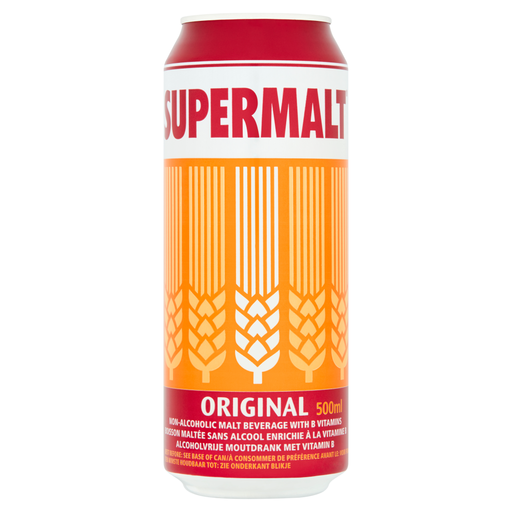
Why This Fits Their Persona: A single 500ml bottle lets new shoppers try a non-alcoholic malt drink without committing to a large multipack. Its rich, slightly sweet profile suits meals and casual refreshment.
The product information clearly lists barley, sugar and approximate nutrition, helping shoppers distinguish it from a low-calorie lager.
Single-bottle format; malt-based flavour; serve chilled; contains barley.
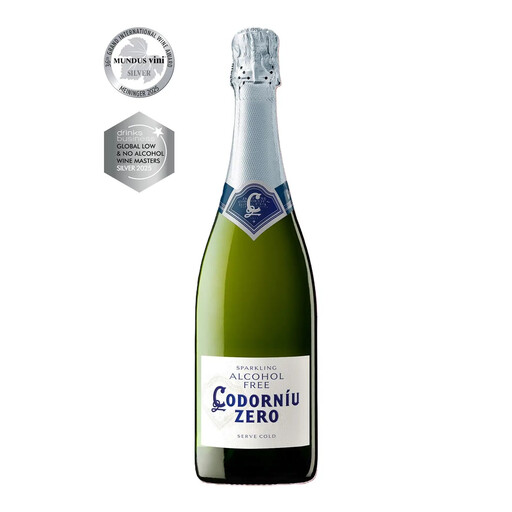
Why This Fits Their Persona: A bottle of alcohol-free sparkling wine provides a more formal option for dinner parties, toasts and celebrations where lager may not feel appropriate.
The listed ABV is 0.0%, and the ingredients identify dealcoholised wine and sulphites, making the product’s composition easier to assess.
Fine-bubble sparkling format; citrus and tropical fruit notes listed; contains sulphites; adult-use product.
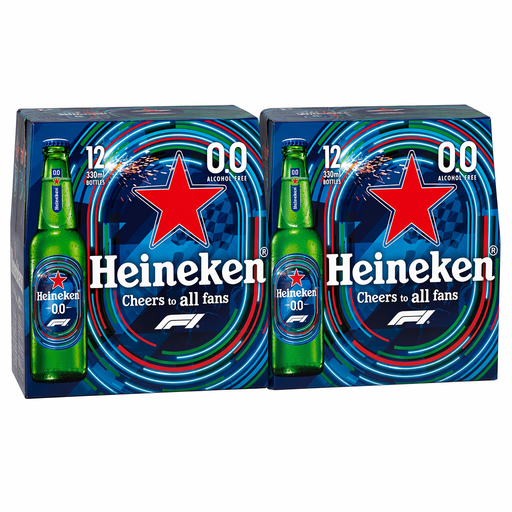
Why This Fits Their Persona: The larger 24-pack format is practical for regular home drinking, hosting or keeping supplies available for gatherings.
The listing provides the 330ml serving size, approximate 21 kcal per 100ml and stated 0.05% ABV, so buyers can judge the pack accurately.
24 x 330ml format; light malt profile; 21 kcal per 100ml; contains barley.

Why This Fits Their Persona: A stout format offers an alternative to pale lager, with roasted barley, a dark appearance and a creamy serving style.
The listing specifies 0.0% ABV, ingredients including roasted barley and the recommended chilled serving method.
440ml cans; 17 kcal per 100ml; roasted barley character; contains barley and gluten.
We have compiled a complete, real-time list of products that fully satisfy these strict selection criteria and UK safety regulations.
Not always. Some products marked 0.0% may contain a trace amount within the permitted product specification, while others listed as non-alcoholic may be up to 0.5% ABV. Check the individual label for the exact figure and units.
Several alcohol-free lagers list around 21–25 kcal per 100ml, although the total depends on serving size. Sweet malt drinks and root beer can contain considerably more sugar and energy. Compare the nutrition panel per can or bottle rather than relying on terms such as “light” or “refreshing”.
Many do, because they are brewed with barley malt. Some products may also contain wheat or oats. People avoiding gluten should read the allergen statement on every product, including mixed packs, as recipes differ between brands and formats.