
24/7 Customer Support

Free returns

Same-day & Next-day Delivery

Quality Guaranteed

Unlock Your Welcome Offers: FREE Delivery | Up to 80% OFF | Free 30-day JoyPlus trial
Download the APP
The world of alcohol free drinks has expanded far beyond the sugary soft drinks and plain juices of the past. Whether you're embracing mindful drinking, acting as the designated driver or simply looking for a sophisticated alternative, the choices can be overwhelming. However, not all options are created equal. Many fall into common traps that can leave you with a disappointing and overpriced beverage.
As a Joybuy Product Recommendation Officer, my role is to help you navigate the market. This guide will highlight the key pitfalls to avoid and the essential factors to consider, ensuring you find a drink that genuinely satisfies your palate.
Before you add anything to your basket, be aware of these frequent issues:
To avoid these traps, focus on a few core parameters that indicate a higher quality product.
The method used to remove alcohol is critical. Look for terms that indicate a more advanced process, as these tend to preserve the original character of the beverage:
Always check the label for sugar and calorie content. A quality alcohol-free drink doesn't need excessive sugar to taste good. Compare the 'Carbohydrates (of which sugars)' line across different products. This is the most reliable way to identify genuinely low calorie drinks and avoid the sugar trap. Also, look for certifications for vegan drinks if that aligns with your lifestyle choices.
The base ingredients are just as important as in any other drink. An alcohol free wine made from specific grape varietals will have more character than one from generic "grape juice concentrate." Similarly, a non alcoholic beer that uses quality barley, hops and malt will deliver a more authentic taste. This attention to the source material is often a sign of a more carefully crafted product.
To help you choose, we've matched some standout options to different preferences and occasions.
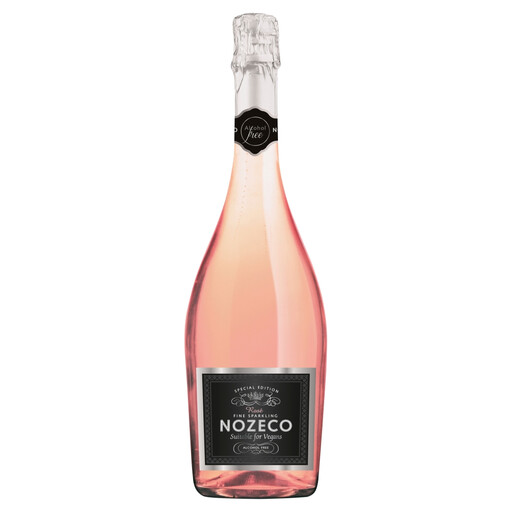
Why This Fits Their Persona: Perfect for those hosting parties or family gatherings where an inclusive, celebratory toast is needed. It looks and feels like a sparkling rosé, ensuring nobody feels left out of the occasion.
This is made from de-alcoholised wine, not just flavoured water. This provides a more authentic base and body, avoiding the "imposter drink" pitfall.
It offers the visual appeal and fine bubbles of a traditional sparkling wine. It is also vegan certified and has a modest 20 kcal per 100ml.
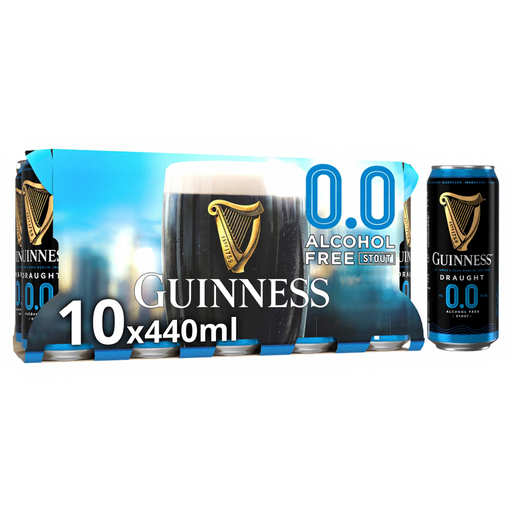
Why This Fits Their Persona: For the drinker who loves the unmistakable character of a classic stout but wants a zero-alcohol version for a mid-week treat or social event without compromise.
It directly tackles the "flavour compromise" by using a cold filtration method to remove alcohol, which helps retain the signature smooth, creamy texture and roasted barley notes.
Delivers an authentic stout experience, from the dark colour to the creamy head. It is also very low in calories, with just 17 kcal per 100ml.
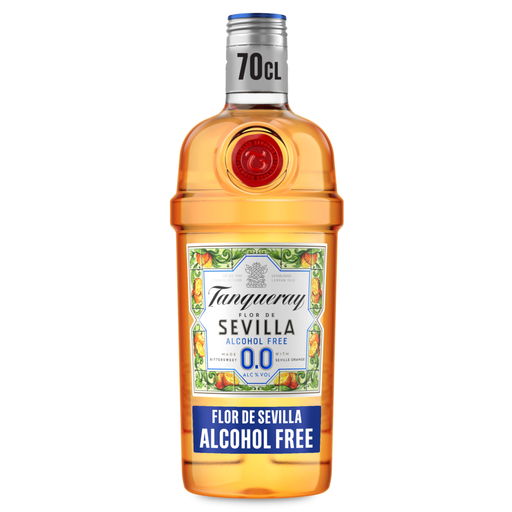
Why This Fits Their Persona: Ideal for those who enjoy the ritual and complex flavours of a gin and tonic or other non alcoholic cocktails. This provides a sophisticated, flavourful base that goes far beyond a simple soft drink.
This is a complex, distilled botanical spirit, not a sugary syrup. It avoids the sugar trap completely (0g sugar) and focuses on delivering the bittersweet orange and juniper notes expected from an alcohol free gin.
Provides an authentic base for mixing with tonic or in other cocktails, with a zesty, balanced flavour profile. It contains only 3 kcal per 100ml.
We have compiled a complete, real-time list of products that fully satisfy these strict selection criteria and UK safety regulations.
In the UK, drinks labelled "alcohol-free" can contain up to 0.05% alcohol by volume (ABV). Products labelled "de-alcoholised" can contain up to 0.5% ABV. This trace amount is similar to that found in some everyday foods like ripe bananas or fruit juices and is not enough to cause intoxication. A 0.0% label indicates the producer has ensured the alcohol level is as close to zero as technically possible, often through more advanced methods. For most people, the difference is negligible, but it's a detail to be aware of.
The most successful products start life as full-strength alcoholic beverages. They are brewed or fermented as normal to develop their characteristic flavours. Then, the alcohol is gently removed using methods like vacuum distillation, reverse osmosis or cold filtration. This subtractive process is key to retaining the complex taste, which is why a de-alcoholised alcohol free wine often tastes more authentic than a simple grape juice blend.
They can be, but it depends on the product. The main benefit is the absence of alcohol. However, it is crucial to check the sugar content. The best mindful drinking options are those that are low in both alcohol and sugar. A quality non alcoholic cider or beer can be a refreshing, low-calorie choice, but always read the nutritional label to ensure it aligns with your health and wellness goals.