
24/7 Customer Support

Free returns

Same-day & Next-day Delivery

Quality Guaranteed

Unlock Your Welcome Offers: FREE Delivery | Up to 80% OFF | Free 30-day JoyPlus trial
Download the APP
Choosing an alcohol-free mouthwash can seem straightforward, but the label often gives an incomplete picture. A fresh flavour does not necessarily mean the rinse suits sensitive mouths, while an antibacterial formula may not be appropriate for everyday use. The right choice depends on your oral-care goal, active ingredients and the instructions on the bottle.
This guide from the Joybuy Product Recommendation Officer explains what to check before buying, highlights common marketing traps and matches several options to different UK households.
A powerful mint sensation can make a mouthwash feel effective, but intensity is not a reliable measure of plaque control or cavity protection. People with sensitive mouths, braces, dentures or a tendency towards dryness may find heavily flavoured products uncomfortable.
An alcohol-free mouthwash can provide a milder rinsing experience, but check the full ingredient list and flavour description. “Cool mint”, “soft mint” and “milder taste” can feel noticeably different during daily use.
A medicated mouthwash containing ingredients such as chlorhexidine or hydrogen peroxide is intended for a specific purpose. It may be recommended for gum problems, mouth ulcers or short-term cleansing after dental treatment, but it is not automatically the right choice for permanent daily use.
Some chlorhexidine products may cause temporary tooth or tongue staining or a change in taste. Hydrogen peroxide products may also have usage limits. Follow the label and seek advice from a dentist or pharmacist if symptoms continue.
Fluoride concentration and directions vary between products. Some are designed for use twice daily, while certain cavity-protection rinses are used once daily at a different time from brushing. Rinsing immediately after brushing can wash away concentrated toothpaste fluoride, so always follow the product instructions.
For children, age guidance is particularly important. Mouthwash should not be swallowed, and young children require adult supervision.
Match the formula to your main reason for buying:
“Alcohol-free” generally appeals to users who prefer to avoid the drying or burning sensation associated with alcohol-containing rinses. It can be a practical option for people with sensitive mouths or those who dislike a harsh aftertaste.
However, alcohol-free does not mean suitable for everyone or for every purpose. Check for other ingredients that may cause sensitivity, including flavouring agents, preservatives or active medicinal ingredients.
Most daily rinses use around 20 ml for 30 seconds, although products such as Corsodyl Medicated and Colgate Peroxyl have different instructions. A 500 ml bottle may provide approximately 25 rinses at a 20 ml dose, while a 1-litre bottle is more suitable for frequent household use.
Check the opening period and expiry date. Some medicated formulas should be used within three months after opening, while daily products may have different guidance. Store bottles as directed and do not use a product if its seal is damaged.
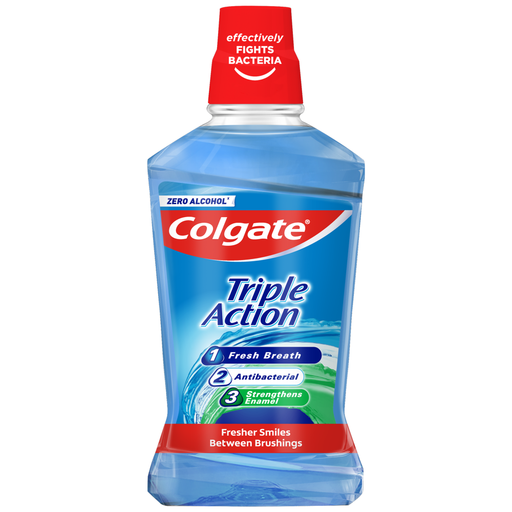
Why This Fits Their Persona: A straightforward 500 ml daily rinse for adults and families who want fluoride, breath freshness and an alcohol-free formula in one bottle.
Its stated 225 ppm fluoride content and clear 20 ml, 30-second directions make it easier to compare with similar daily products.
Alcohol-free formula; includes sodium fluoride and a large 500 ml format.
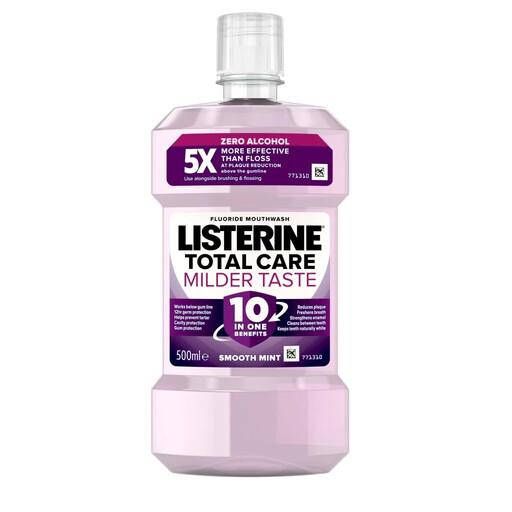
Why This Fits Their Persona: Suitable for shoppers seeking a broader daily-care formula with a milder taste, fluoride and zinc chloride.
The “milder taste” description helps set a more realistic expectation than choosing solely by a strong mint label.
Contains fluoride at 450 ppm F; 500 ml bottle with a zero-alcohol formula.
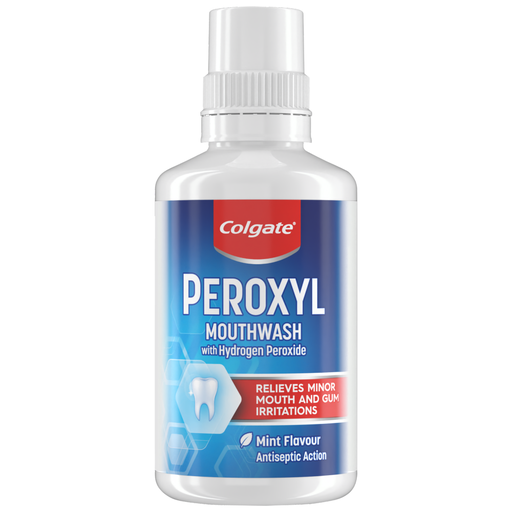
Why This Fits Their Persona: Designed for targeted, short-term use where a dentist or pharmacist has advised an oxygenating rinse for minor mouth or gum irritation.
The label specifies a maximum seven-day course unless directed otherwise, reducing the risk of treating a medicated rinse like a permanent fresh-breath product.
Contains 1.5% hydrogen peroxide; ready to use and alcohol-free.
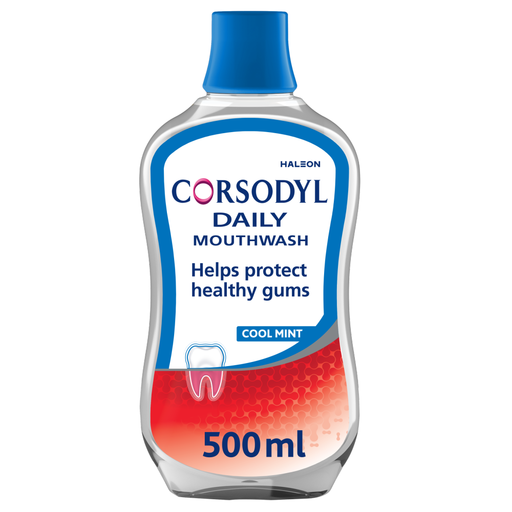
Why This Fits Their Persona: A daily alcohol-free option for adults prioritising plaque reduction, gum care, fluoride and a cool mint flavour.
It distinguishes a daily gum-care formula from the separate 0.2% chlorhexidine medicated products, which have different usage considerations.
Contains 0.06% chlorhexidine and fluoride; supplied in a 500 ml bottle.
We have compiled a complete, real-time list of products that fully satisfy these strict selection criteria and UK safety regulations.
It may be more comfortable for people who dislike burning or dryness, but sensitivity can also relate to flavourings and other ingredients. Check the label and stop use if irritation develops.
Many daily fluoride or antibacterial rinses are designed for regular use when used as directed. Medicated products, particularly those containing chlorhexidine or hydrogen peroxide, may have shorter recommended courses. Always follow the packaging or advice from a dental professional.
A larger bottle can reduce the cost per millilitre, but only if you will use it before the expiry or opening period. Compare the recommended dose, frequency and household usage rather than bottle size alone.