
24/7 Customer Support

Free returns

Same-day & Next-day Delivery

Quality Guaranteed

Unlock Your Welcome Offers: FREE Delivery | Up to 80% OFF | Free 30-day JoyPlus trial
Download the APP
Choosing alcohol-free products sounds straightforward until the label, ingredients and intended use tell different stories. A bottle marked “zero” may contain a small permitted amount of alcohol, while an alcohol-free mouthwash can be a medicinal treatment rather than an everyday rinse. Even flavour, pack size and storage instructions can make a major difference to value.
This guide from the Joybuy Product Recommendation Officer helps UK shoppers compare alcohol-free drinks, oral care, beauty and hygiene products without relying on exaggerated marketing language.
These terms are not always interchangeable. Check the actual ABV figure and product description:
This distinction matters for people avoiding alcohol completely, designated drivers, religious reasons, pregnancy or breastfeeding. If you need to avoid even trace amounts, confirm the manufacturer’s wording and consult a healthcare professional where appropriate.
Some alcohol-free cocktails and spirits use sugar, sweeteners, flavourings or preservatives to recreate a familiar taste. Compare the nutrition panel per 100ml and per serving, not just the front-of-pack calorie claim.
For example, a 250ml can of Kopparberg Gin Strawberry & Lime Alcohol Free contains 33 kcal per 100ml and includes sugar, aspartame and acesulfame-K. By contrast, Tango Cherry Sugar Free lists 0g sugar per 100ml but uses sucralose and acesulfame-K. Neither is automatically suitable for every dietary preference.
Alcohol-free mouthwash is not one single category. A fluoride mouthwash may support routine oral care, while a chlorhexidine mouthwash is a medicinal product intended for specific gum problems and short-term use. Likewise, alcohol-free wet wipes and make-up brush cleansers have different formulations and application limits.
Always check the label, age guidance, ingredients and directions before use.
For alcohol-free drinks, review:
Flavour style also matters. Alcohol-free beer tends to suit shoppers seeking malt and hop notes, while alcohol-free spirits are usually designed to be mixed with tonic, soda or fruit. Alcohol-free cocktails may be ready to pour, but often contain more sugar than a spirit-and-mixer combination.
Look for allergens such as barley and gluten in alcohol-free beer, and sulphites in dealcoholised wine. Vegan alcohol-free drinks should be identified by the product information or certification rather than assumed.
Also check:
For alcohol-free mouthwash, check active ingredients, concentration and age restrictions. Corsodyl products containing chlorhexidine digluconate 0.2% w/v are medicinal mouthwashes with specific directions, including rinsing for one minute and not using immediately after brushing. Temporary staining or taste changes may occur, so read the patient information leaflet.
For alcohol-free make-up brush cleanser, confirm whether it is suitable for manual washing, an electric brush-cleaning device or both. For wet wipes, verify whether they are intended for face, hands or body use. Even when labelled mild, discontinue use if irritation occurs and never flush wipes down the toilet.
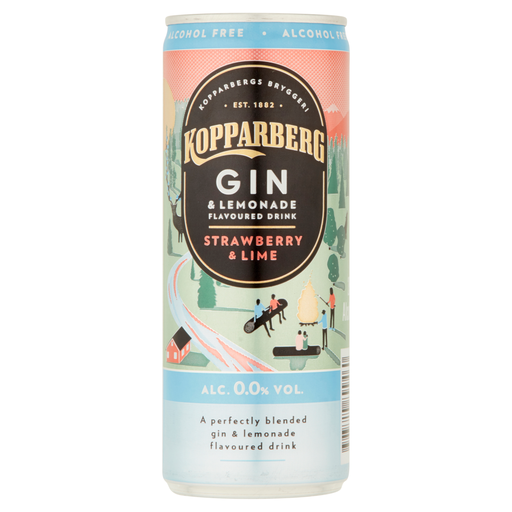
Why This Fits Their Persona: A single 250ml can offers a simple way to try an alcohol-free cocktail-style drink without committing to a large bottle or multipack.
The listing clearly states 0% alcohol and identifies sweeteners and phenylalanine, helping shoppers check suitability before purchase.
250ml serving; strawberry and lime flavour profile; 33 kcal per 100ml.

Why This Fits Their Persona: The 70cl format suits shoppers who want to build alcohol-free cocktails or serve several drinks at home.
The product information specifies 0% alcohol and lists a juniper-led botanical profile, allowing buyers to compare it with their preferred gin style.
70cl bottle; 12 kcal per 100ml; suitable as a base for mixed drinks.
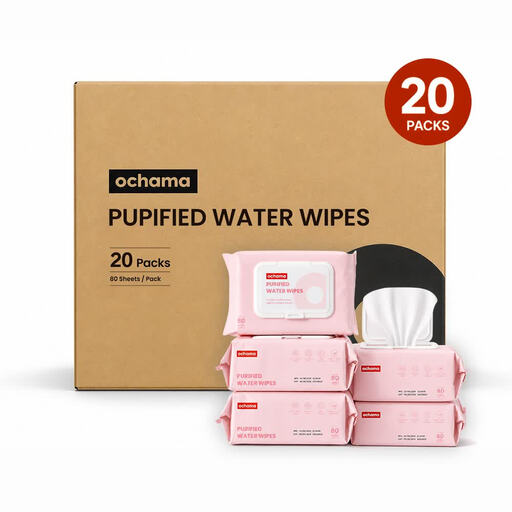
Why This Fits Their Persona: A 20-pack bulk format works for households, travel kits, workplaces or regular face, hand and body cleansing.
The specification states alcohol-free, fragrance-free and preservative-free, while also warning that the wipes are not flushable.
1,600 sheets; pearl-textured fabric; secure caps designed to help retain moisture.
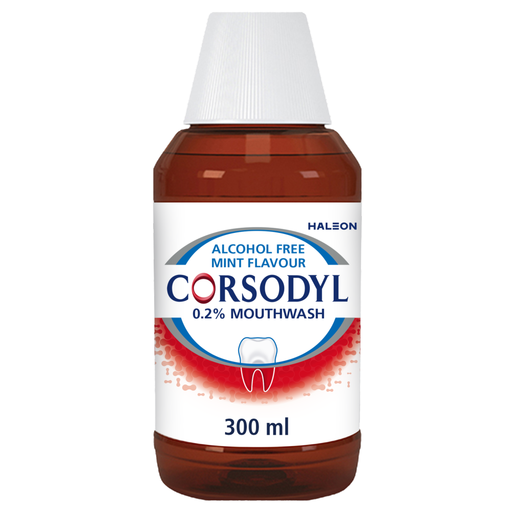
Why This Fits Their Persona: Suitable for adults comparing alcohol-free oral care for bleeding or irritated gums, subject to following the medicine label or dental advice.
It identifies chlorhexidine digluconate 0.2% w/v, usage limits and warnings, rather than presenting a medicated rinse as a generic daily drink-style product.
Alcohol-free formula; 300ml bottle; peppermint flavour; clear directions for twice-daily use.
Shoppers seeking a more traditional beer profile can compare Guinness Draught 0.0% or Asahi Non-Alcohol Beer 0.0%. Both list barley, so they are not suitable for people avoiding gluten.
For wine-style occasions, Fine Sparkling Nozeco Rosé contains less than 0.5% ABV and sulphites, while McGuigan Zero Chardonnay and Sauvignon Blanc provide 0.0% options with stated sulphite information. For ready-to-serve alcohol-free cocktails, Funkin Passion Fruit Martini and Belvoir Lime & Yuzu Mojito are convenient chilled options. Those monitoring sugar should compare their nutrition panels carefully.
Beauty shoppers can consider the STYLPRO Make-up Brush Cleanser 500ml, which is described as vegan-friendly and alcohol-free, while Listerine Total Care Milder Taste Zero Alcohol Mouthwash offers a fluoride-containing oral-care option. These products should be selected according to their individual instructions, not simply because they exclude alcohol.
We have compiled a complete, real-time list of products that fully satisfy these strict selection criteria and UK safety regulations.
Not always. Some products labelled 0.0% may state that they contain no more than 0.05% ABV, while dealcoholised wine can contain up to 0.5% ABV. Check the exact label and contact the manufacturer if trace alcohol is unsuitable for you.
Suitability depends on the product. Check the ABV, ingredients and on-pack guidance, and speak with your midwife, GP or pharmacist if you are unsure. Do not assume that “non-alcoholic” automatically means zero alcohol.
Follow the packaging. Many unopened drinks can be stored in a cool, dry place, but opened alcohol-free wine and ready-to-drink cocktails commonly need refrigeration and prompt consumption. Reseal bottles and cans where instructed, and check the best-before date before serving.