
24/7 Customer Support

Free returns

Same-day & Next-day Delivery

Quality Guaranteed

Unlock Your Welcome Offers: FREE Delivery | Up to 80% OFF | Free 30-day JoyPlus trial
Download the APP
The days of toasting with a glass of fizzy apple juice or overly sweet grape juice are thankfully behind us. The rise of the 'sober curious' movement and a greater focus on mindful drinking has led to a welcome explosion in high-quality alcohol free sparkling wine. Whether you are a designated driver, expecting a new arrival or simply choosing to reduce your alcohol intake, you no longer have to miss out on the celebratory clink of a glass.
However, navigating this growing market can be tricky. The quality varies dramatically, and it is easy to end up with a bottle that disappoints. Before you buy, be aware of a couple of common pitfalls:
To ensure you are getting a sophisticated drink that genuinely mimics the experience of its alcoholic counterpart, there are a few key parameters to check.
The most significant factor influencing taste is how the non alcoholic wine is made. The most convincing options are typically de-alcoholised. This process involves making a traditional wine first and then gently removing the alcohol, often using advanced methods like spinning cone technology. This technique works at low temperatures, which helps to preserve the delicate aromas and complex flavours of the original wine. The alternative is a blended beverage, which is essentially a carefully crafted drink made from grape must, water and flavourings, which is then carbonated. While some can be pleasant, de-alcoholised wines generally offer a more authentic structure and taste.
A common complaint about alcohol-free drinks is excessive sweetness. Alcohol provides body and a perception of dryness in traditional wine; when it is removed, some producers compensate by leaving in or adding a lot of sugar. To avoid this, look at the nutritional information on the label. Check the 'Carbohydrates (of which sugars)' value per 100ml. A lower sugar content (e.g., under 5g per 100ml) often indicates a drier, more balanced and crisp style, closer to a traditional Brut.
If you or your guests follow a specific diet, a quick label check is essential. Many assume all wine is vegan, but some producers use animal-derived fining agents like isinglass (from fish bladders) or casein (a milk protein) to clarify the wine. Look for a certified vegan wine symbol on the label for assurance. Additionally, many de-alcoholised and low alcohol wine options still contain sulphites as a preservative, which can be a concern for individuals with sensitivities.
Based on these practical criteria, here are a few recommendations matched to different needs and occasions.
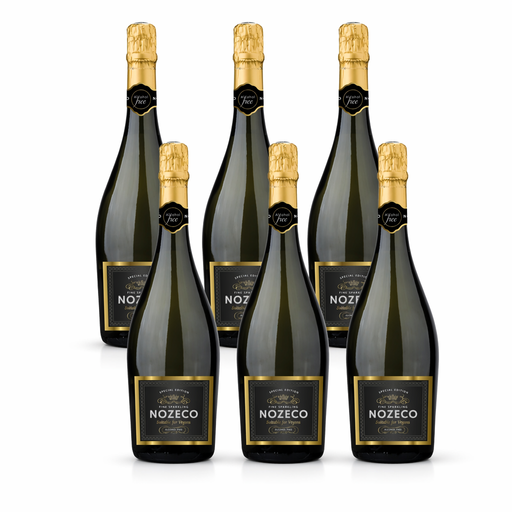
Why This Fits Their Persona: Ideal for those hosting a baby shower, a large family gathering or a festive party. This case deal offers excellent value, ensuring you can cater to all your guests without compromising on the celebratory feel. It's a reliable crowd-pleaser.
This is a purpose-built alcohol free prosecco alternative, not just carbonated juice. It is crafted to provide a balanced and effervescent experience that mimics the profile of its alcoholic inspiration, avoiding the overly sweet trap.
Excellent value when buying in bulk. It is also vegan-friendly, making it a safe and inclusive choice for a diverse group of guests.
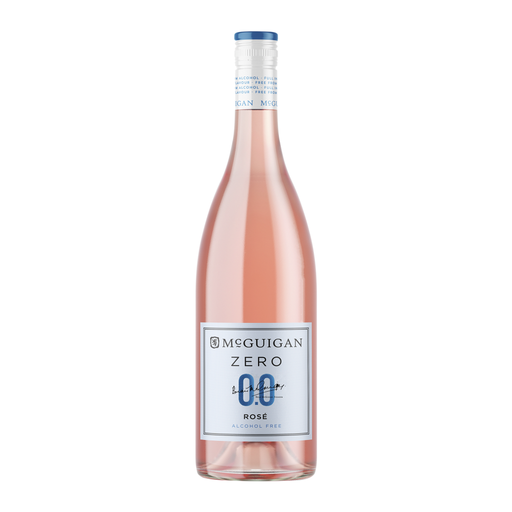
Why This Fits Their Persona: For the individual exploring sober curious drinks who refuses to compromise on taste. They appreciate the craft of winemaking and are looking for an alcohol-free option that delivers a genuine wine character.
This wine is made using spinning cone technology to gently remove the alcohol from a traditionally fermented Rosé. This process ensures the delicate fruit flavours and varietal characteristics are maintained, directly avoiding the "glorified juice" pitfall.
Guarantees a 0.0% ABV, making it suitable for all. The de-alcoholisation process results in a rich, generous flavour profile that is remarkably close to its alcoholic counterpart.

Why This Fits Their Persona: Perfect for someone who loves the light, fruity character of a good sparkling rosé. This is an excellent choice for weekend brunches, picnics or as a chic gift, combining stylish presentation with a refreshing taste.
This alcohol free sparkling rosé is built around a clear flavour profile of summer berries with a crisp finish. It avoids one-dimensional sweetness by offering a balanced and refreshing palate, making it incredibly moreish.
It's suitable for vegetarians and vegans. The low calorie count (19 kcal per 100ml) and defined fruit notes of strawberry and raspberry make it a light, enjoyable indulgence.
We have compiled a complete, real-time list of products that fully satisfy these strict selection criteria and UK safety regulations.
There are two primary methods. The first involves blending carbonated water with grape juice concentrate and natural flavours to create a wine-like beverage from scratch. The second, more complex method is de-alcoholisation, where a fully fermented wine is produced first, and then the alcohol is gently removed, usually through vacuum distillation or spinning cone technology, which helps retain the original wine's aroma and flavour profile.
Technology has improved significantly, and the best de-alcoholised wines can be remarkably similar to their alcoholic counterparts in terms of flavour and aroma. However, alcohol contributes to the 'body' and 'heat' of a wine, so you may notice a lighter mouthfeel. The key is to choose a well-made product that focuses on balance and complexity rather than just sweetness.
Current NHS guidance advises that the safest approach is not to drink any alcohol at all during pregnancy. While some products labelled "alcohol-free" may contain up to 0.05% ABV and "de-alcoholised" up to 0.5% ABV, many people prefer to opt for products that are explicitly labelled as 0.0% ABV for complete peace of mind. It is always advisable to check the label carefully and to consult with your midwife or GP if you have any concerns.