
24/7 Customer Support

Free returns

Same-day & Next-day Delivery

Quality Guaranteed

Unlock Your Welcome Offers: FREE Delivery | Up to 80% OFF | Free 30-day JoyPlus trial
Download the APP
Choosing between alcoholic and alcohol-free drinks is no longer limited to lager or a bottle of wine. UK shoppers can now compare beer multipacks, rosé wine, sparkling wine, zero-alcohol spirits, ready-to-drink cocktails and low-alcohol drinks in one online basket. The challenge is knowing which details matter beyond attractive packaging and familiar branding.
Terms such as alcohol-free, zero alcohol, de-alcoholised and low alcohol do not always describe the same product. Some drinks contain up to 0.5% ABV, while a 0.0% product may still state that it contains no more than a very small residual amount.
Check the exact ABV percentage and alcohol units on the product page or packaging. For example, BrewDog Mixed AF is listed at 0.5% ABV, whereas Guinness Draught 0.0% is listed at 0.0% ABV and 0.0 UK units. This distinction matters if you are avoiding alcohol completely, driving, observing a personal restriction or buying for a specific occasion.
A large multipack may look economical, but the total volume and container size affect storage, chilling time and how quickly a household uses the product. A 15-pack of 440ml lager cans is suited to hosting, while a four-pack of 440ml cans may be easier to store in a small fridge.
Compare total millilitres, serving size, ABV and units per container, rather than judging value by the number printed on the front.
Marketing language can draw attention to flavour while making ingredients easy to miss. Beer commonly contains barley and gluten, wine may contain sulphites and some alcohol-free beers include milk or oats. Ready-to-drink cocktails can contain sweeteners, flavourings, caffeine or taurine.
Always read the ingredient list and allergen statement, particularly when buying for guests. Vegan or vegetarian suitability should also be confirmed on the specific label, as production methods can vary.
ABV means alcohol by volume. It allows you to compare drinks with different serving sizes, but units are often more practical for UK consumers. A rough calculation is:
ABV × volume in millilitres ÷ 1,000 = UK alcohol units
For example, a 440ml can at 3.4% ABV contains approximately 1.5 units. A 330ml ready-to-drink cocktail at 6.0% ABV contains around 2 units. The UK Chief Medical Officers advise adults not to regularly exceed 14 units per week.
Alcoholic drinks should only be purchased and consumed by adults aged 18 and over. Alcohol should be avoided during pregnancy, and responsible drinking guidance should be followed.
Use the drink style to match the setting:
Most unopened beer, wine and spirits can be stored in a cool, dry place away from direct sunlight. Chilling requirements vary. Once opened, some alcohol-free wine products should be refrigerated and consumed within a short period, while canned drinks are generally intended for prompt consumption after opening.
Check whether a product is supplied in cans, returnable bottles or non-returnable bottles. This affects recycling, transport and cupboard storage in a UK home.
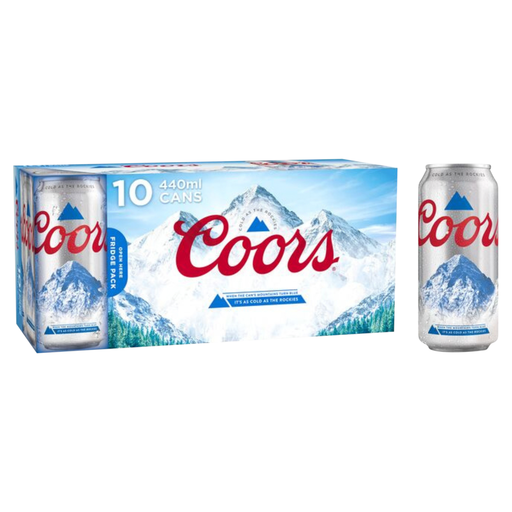
Why This Fits Their Persona: A moderate-strength lager multipack for casual evenings, small gatherings and shoppers comparing volume with alcohol content.
The listing clearly states 3.4% ABV, approximately 1.5 units per 440ml can and 15 units per pack, making comparison more straightforward.
10 x 440ml cans; listed as suitable for vegetarians and vegans.

Why This Fits Their Persona: A zero-alcohol spirit-style bottle for shoppers who want a structured mixer for evening drinks, dinner hosting or alcohol-free gifting.
Its listing specifies 0% alcohol and provides ingredient and nutrition information, rather than relying only on front-label wording.
0% ABV; 3 kcal per 100ml; designed for serving with sparkling water and orange.
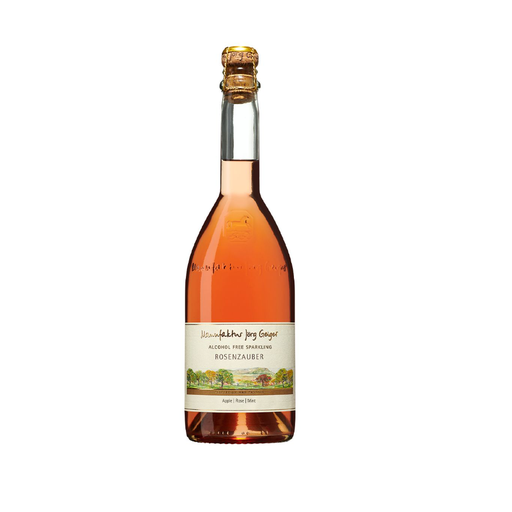
Why This Fits Their Persona: A small-format sparkling drink for toasts, welcome serves and guests who want a celebratory alternative without alcohol.
The listing states 0.0% ABV and identifies sulphites, serving temperature and the 0.2-litre format.
90% apple juice base; recommended serving temperature of 8–10°C.
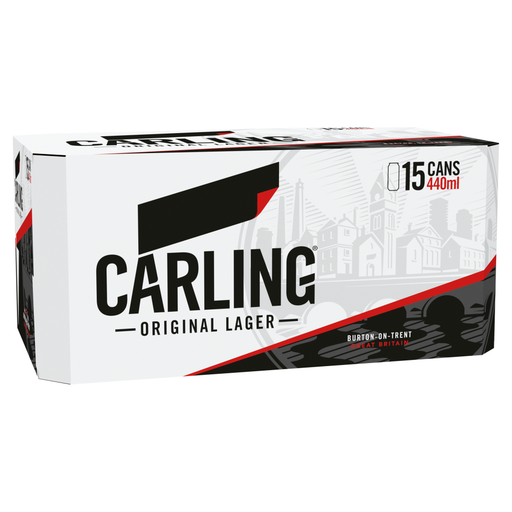
Why This Fits Their Persona: A larger lager pack for barbecues, match-day hosting and households that want several individual servings available.
The pack clearly states 15 x 440ml and 4.0% ABV, so volume is not confused with strength.
15 individual cans; ambient storage before opening; contains barley and wheat.
We have compiled a complete, real-time list of products that fully satisfy these strict selection criteria and UK safety regulations.
Not always. Some products labelled alcohol-free may contain up to 0.5% ABV. If you require no alcohol, look for a clearly stated 0.0% ABV and check the full product label.
They can be, but there is no universal rule. Compare the nutrition panel per 100ml and per serving. Some alcohol-free wine products contain added sugar, while some alcohol-free beers provide relatively low energy values.