Revisers short on sockets and desk space
If separate equipment would crowd your study desk, an all-in-one puts the computer and display together. Check the exact package for input devices and account for anything else that needs power or charging.


Choose an all-in-one PC if you need both a computer and screen at a compact desk. A mini PC makes more sense if you already have a suitable monitor, while a tower is worth considering if changing components later matters more than a tidy setup. None of these formats guarantees a particular number of free wall sockets: check the power needs of the complete desk before buying.
If separate equipment would crowd your study desk, an all-in-one puts the computer and display together. Check the exact package for input devices and account for anything else that needs power or charging.
If you already have a suitable monitor, keyboard and mouse, a mini desktop lets you keep using them. Check the display connection and the monitor’s power needs alongside those of the computer.
If the computer may later serve family, creative or gaming needs, assess whether a tower’s room for component changes matters more to you than a compact study desk.
Choose it when: You need to buy a computer and display together for revision cards and documents.
Bear in mind: The integrated design gives you less freedom to change the display separately; it does not establish the socket count for the full setup.
Choose it when: Your monitor and input devices already suit your study desk, and you want a small computer.
Bear in mind: The separate monitor still needs a compatible connection and its own power arrangement.
Choose it when: You expect to change internal components later or have work beyond preparing revision cards.
Bear in mind: A separate monitor and the larger computer both need space in your desk plan.
| Concern | What to check | Who this matters to |
|---|---|---|
| Separate equipment | Check whether the screen is integrated, what comes in the box and which items need a mains socket or charging. | If I have little room for cables and powered devices, I want the computer and screen together. Around 42% of consumers put reducing separate equipment first. |
| Study display | Check the exact screen size and resolution, stand adjustment and whether the operating system supports your study tools. | When I spend long sessions reading cards and typing notes, I want a screen I can use comfortably from the start; roughly 33% of consumers make the included study display their main concern. |
| Existing monitor | Match the monitor input to the computer’s video output, then account for any adapter and the monitor’s power lead. | If my current monitor works well, I would rather keep using it than buy another display. About 25% of consumers prioritise reusing their existing equipment. |
A mini PC takes little desk space, but it needs an external display. The computer and monitor each have power requirements to account for.
List every powered item you plan to use, including the monitor, speakers, USB hub and chargers, then check the exact computer’s power arrangement.
For revision cards and documents, a tower’s scope for future component changes may matter less than a workable display and desk layout.
Decide which other tasks you expect the computer to handle before giving upgrade capacity priority over the space and peripherals your setup needs.
Memory, storage, operating system and included devices can vary between configurations with similar names.
Check the exact model number and configuration on the product page before ordering.
The computer’s operating system and bundled hardware do not establish whether your chosen card-making service or application will work with it.
Check the tool’s browser or operating-system requirements, and whether you need a separate application, before choosing Windows or macOS.
Lenovo has all-in-one desktops for a study setup with an integrated screen. Lenovo UK lists an IdeaCentre AIO configuration with a 23.8-inch Full HD display, 16GB memory, 512GB SSD, wireless keyboard and mouse.
Dell UK lists Dell 24 All-in-One configurations with a 23.8-inch Full HD display and choices of memory and SSD storage.
Apple UK describes two different macOS desktop arrangements: an iMac with an integrated 24-inch 4.5K display, and a Mac mini designed for use with external displays.
These Windows all-in-one desktops put the computer and display together for a revision desk. Compare their stated configurations against your study tools, and check the power and peripheral arrangements for the complete setup.
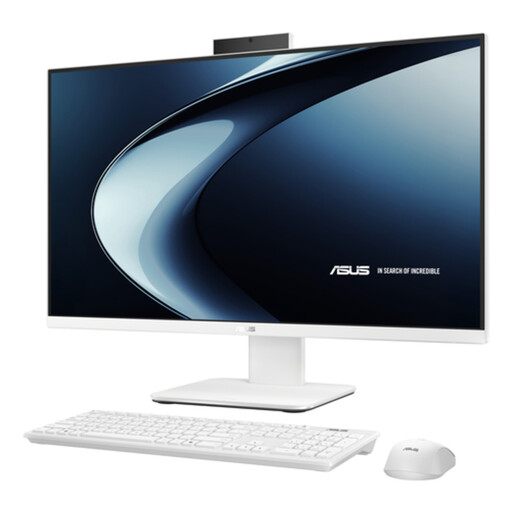 No image available
Consider this integrated-screen model if you want a larger display at your revision desk.
27-inch Full HD display; Intel Core i7-13620H; 16GB DDR5 RAM; 512GB SSD; Windows 11 Home.
Check the supplied power arrangement and whether the keyboard and mouse you need are included.
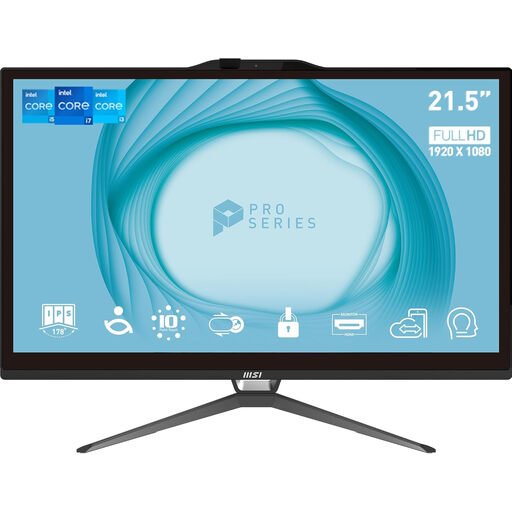 No image available
Consider this integrated touchscreen model if you prefer its stated screen size for a fixed study desk.
21.5-inch touchscreen; Intel Pentium Gold G7400; 4GB RAM; 128GB SSD; Windows 11 Pro.
Check that its memory and storage meet your chosen tools’ requirements, and confirm the power arrangement and included input devices.
An all-in-one PC does not guarantee that your complete study setup will use just one socket. It combines the computer and display, but check the exact power lead and count any other devices you will power or charge at the desk.
GOV.UK says customers buying online can tell the seller they want to cancel within 14 days of receiving the item, then have another 14 days to return it. Exceptions can apply, including to personalised or custom-made goods; distinguish this cancellation right from any extra returns policy the retailer offers.
A faulty or misdescribed desktop is a different matter from changing your mind. GOV.UK says sellers must provide a remedy for goods that are faulty or not as described; check the applicable remedy and timing with the seller rather than relying only on its voluntary returns policy.
Check a suitable local authority or retailer collection route for your old electrical equipment. GOV.UK describes the UK’s waste electrical and electronic equipment rules as supporting recovery, reuse and recycling; confirm which route accepts the items you have.